
Fitness shoes adidas


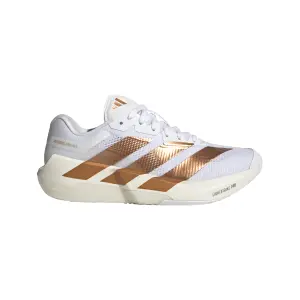


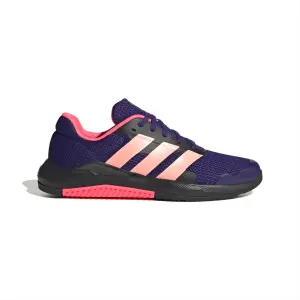

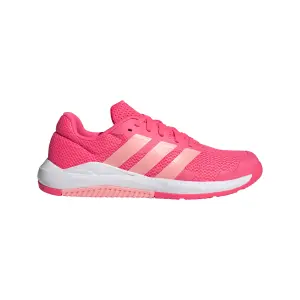


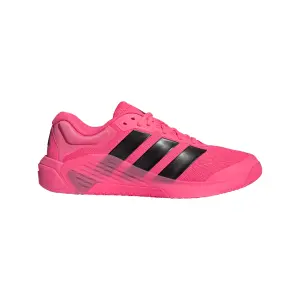


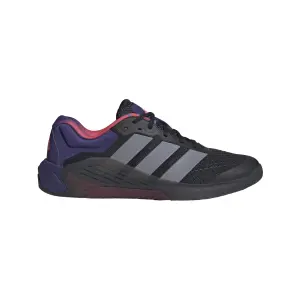


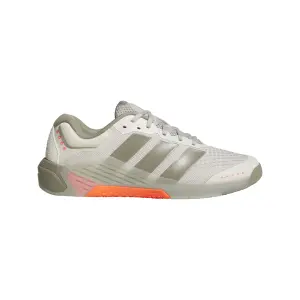


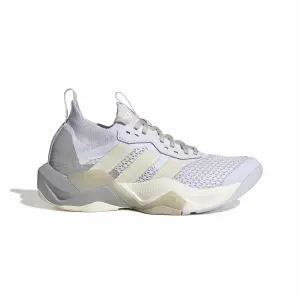
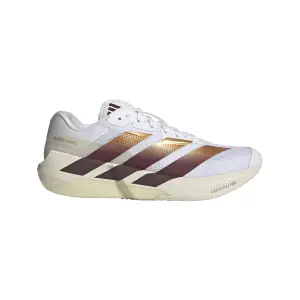


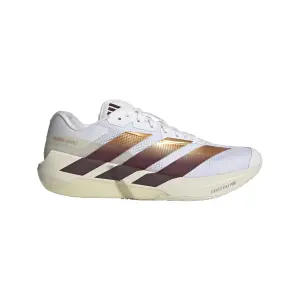
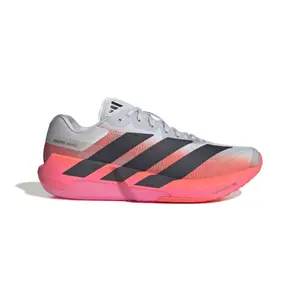

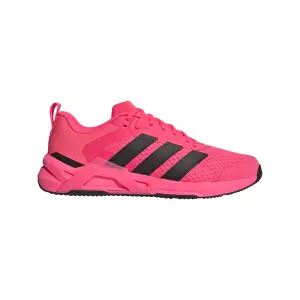


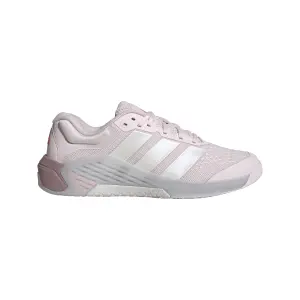


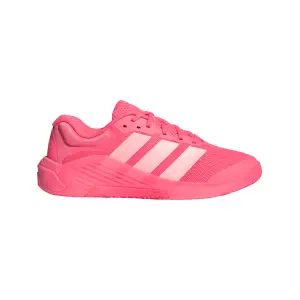


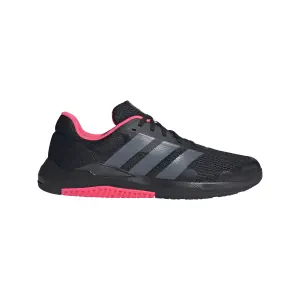


Our adidas page showcases fitness shoes from the three-stripes brand, designed for training, cross-training and group classes, along with our tips for choosing a stable, versatile and comfortable shoe based on your gym practice.
The three stripes, from the gym to the studio.
adidas at the gym
adidas, a leading German sports brand, offers a range of training shoes designed for the gym. Unlike their running shoes, which have a lot of cushioning and a raised heel, their fitness shoes feature a flat and stable heel for safely lifting weights, and a sole that grips during lateral movements. Some models, like the Dropset range, are specifically designed for functional training and cross-training.
Other brands
Fitness shoes are also available by brand:
All the shoes can be found on the shoes page.
According to your activity
For weightlifting and cross-training, choose a shoe with a wide and firm heel, with a low height difference between the heel and the forefoot, which keeps the foot stable during squats and lifts. For group classes, cardio and HIIT, a softer, lighter shoe with some cushioning at the front helps with jumps and direction changes. For a mixed practice, a versatile training shoe bridges the two.
Choosing the right one
Try on your shoe with sports socks, at the end of the day, leaving half a centimetre in front of the toes. The heel should be secure without lifting during lunges. A breathable upper helps prevent overheating during intense sessions. Reserve your fitness shoes for indoors to preserve the sole and avoid dirtying the gym mats, and let them air dry after each session. Avoid using them for long-distance running.
Deals
Good deals can also be found in the bargains, promotions, clearance, sales, Black Friday. The new arrivals showcase the latest collections, and items shipped in 24h are prepared and sent within 24 hours. The key events of the year follow a stable order: Black Friday in late autumn, the year-end holidays, the winter sales, the French Days of spring, then the summer sales and back to school.
Frequently asked questions
Can running shoes be used at the gym?
It's not ideal: their thick cushioning and raised heel make the footing unstable under load. A training shoe adidas, with a flat heel and a wide sole, provides a safer base for squats.
Which adidas shoe for cross-training?
For combining jumps, lifting weights, and short runs, choose a versatile model with a firm sole and reinforced upper at the sides, which resists friction and lateral movements.
What size should I get in adidas fitness shoes?
The foot should be held securely without being too tight, with a small space in front of the toes. Training shoes are typically worn more snugly than running shoes, to prevent the foot from slipping during lateral movements.
Are adidas fitness shoes suitable for group classes?
Yes, for cardio, HIIT, or strength classes, a light and flexible model at the front of the foot facilitates jumps and pivots. For dance, look for a smoother sole that pivots easily.
How to take care of gym shoes?
Keep them for the gym to maintain a clean and non-slip sole. Clean them with a soft brush and soapy water, avoid washing machines, and let them dry away from direct heat.






