
Fitness shoes Reebok

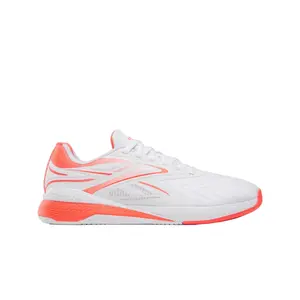

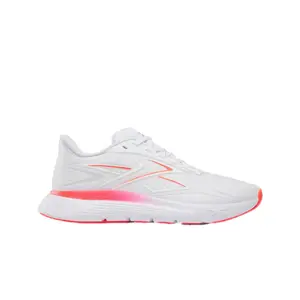


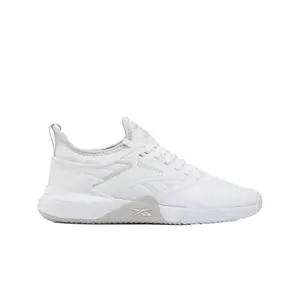
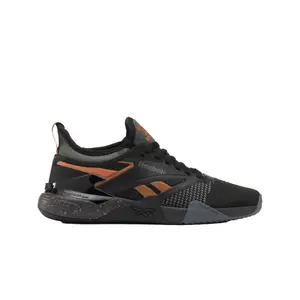
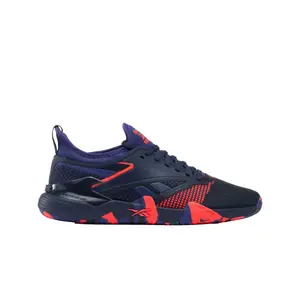
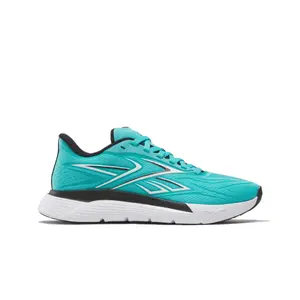
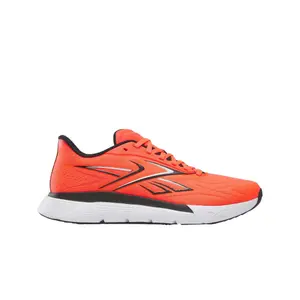
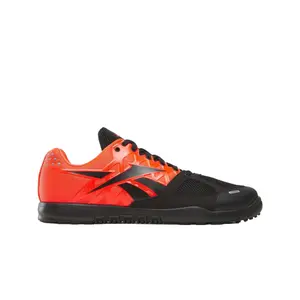
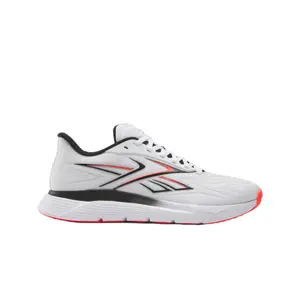
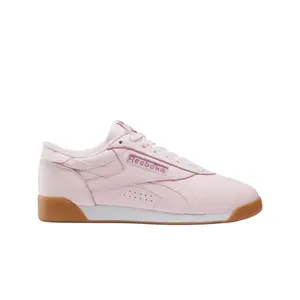

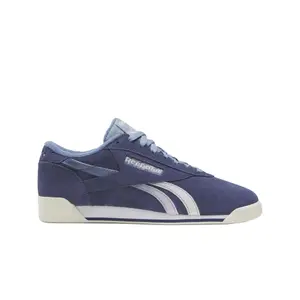
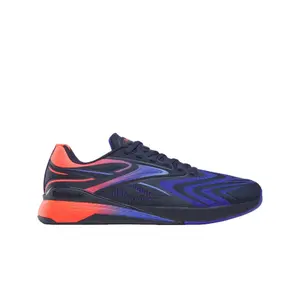
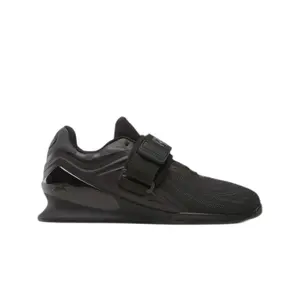

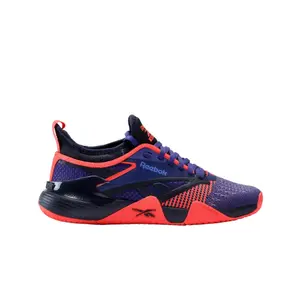
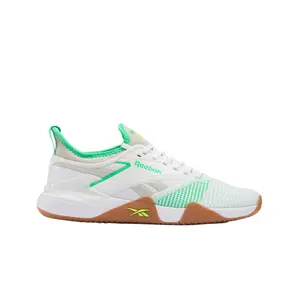
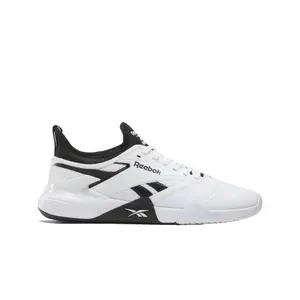
Our Reebok page features the fitness shoes from the British brand, a pioneer of aerobics with the Freestyle and cross-training with the Nano, along with our tips for choosing a stable, versatile and durable gym shoe that suits your workout.
The history of fitness, at your feet.
The fitness brand
Reebok, a brand of English origin, is closely linked to the history of fitness. In 1982, it launched the Freestyle, the first shoe designed for aerobics and for women, which accompanied the explosion of group classes in the 1980s and became one of the brand's biggest successes. It thus helped make the gym a societal phenomenon, long before the rise of cross-training.
Other brands
Fitness shoes are also available by brand:
All shoes are gathered on the shoes page.
The Nano, cross-training shoe
A historical partner of CrossFit for about ten years, Reebok created the Nano, a shoe designed for functional training: a flat and stable heel for lifting weights, a flexible forefoot for jumps and burpees, a sole that rises on the sides to withstand rope climbs, and a sturdy upper. Reissued and improved over various versions, it has become a reference in cross-training boxes.
Choosing the right one
For weightlifting and cross-training, a stable shoe with a low heel-to-toe drop that keeps the foot anchored to the ground is preferred. For group classes and cardio, a lighter shoe with a bit of cushioning at the front supports jumps. Try it on with sports socks, ensuring a half-centimeter space in front of the toes, and keep it indoors to preserve its sole. Avoid using it for long runs.
Good deals
Good deals can also be found in the good deals, promotions, clearance, sales, Black Friday. The new arrivals showcase the latest collections, and items shipped in 24h are prepared and dispatched within 24 hours. The highlights of the year follow a stable order: Black Friday at the end of autumn, the end-of-year holidays, the winter sales, the French Days in spring, then the summer sales and back-to-school period.
Frequently asked questions
Why has the Reebok Freestyle marked the history of fitness?
Launched in 1982, the Freestyle is the first shoe designed for aerobics and for women. It accompanied the rise of group classes in the 1980s and remains one of the brand's biggest successes.
Is a gym shoe suitable for running?
For a few sprints or a short run during a session, yes. For a proper running outing, its flat and firm sole lacks cushioning: a dedicated running shoe is better.
Why a flat sole for lifting weights?
A flat and firm sole keeps the foot stable and transmits force to the ground, without the compression of thick foam. That's the principle behind the Nano, designed for a combination of weightlifting, jumping, and core training.
What size should I choose for a fitness shoe?
The midfoot should be well supported, the heel snug, and the toes free to spread during landings and jumps. Try the shoe on in the evening, with the socks you wear for training.
What to prioritise for step classes?
A light shoe, cushioned at the forefoot and stable laterally. A sole that pivots easily protects the knees during turns, and good heel support secures ascents and descents.






