
Handball shoes
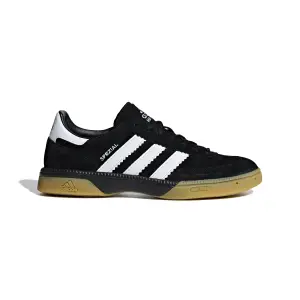
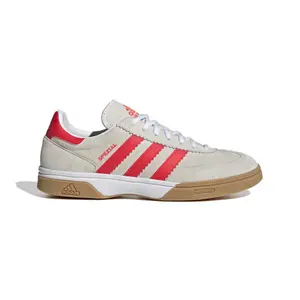
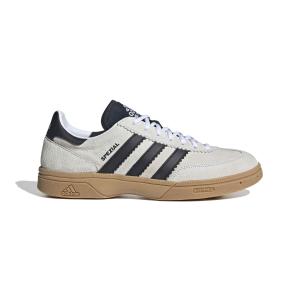
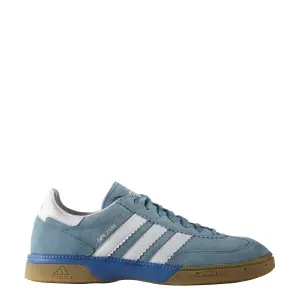


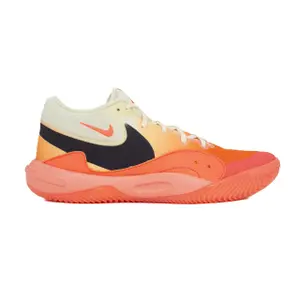
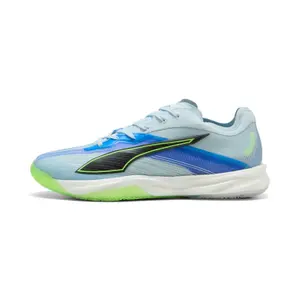
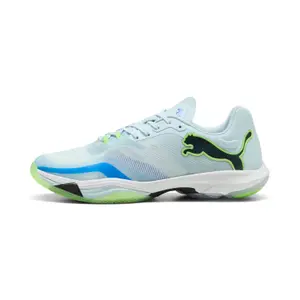
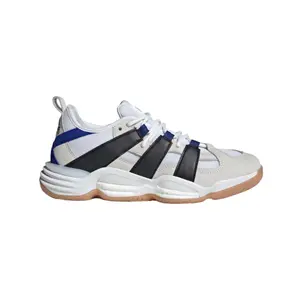
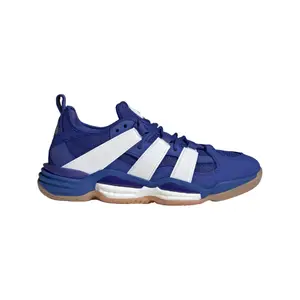


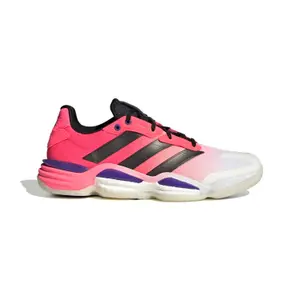
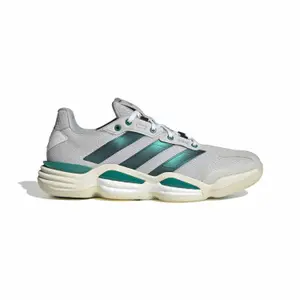
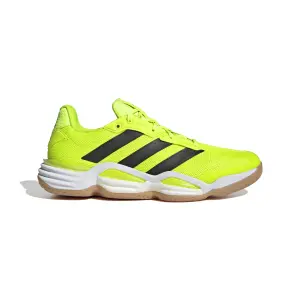
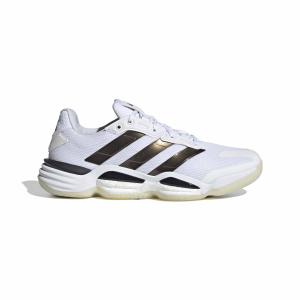
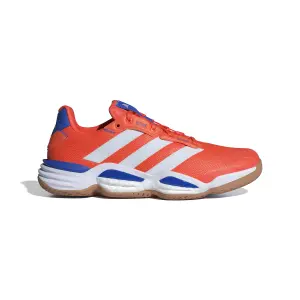
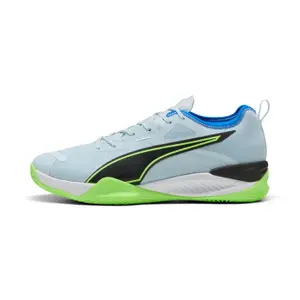
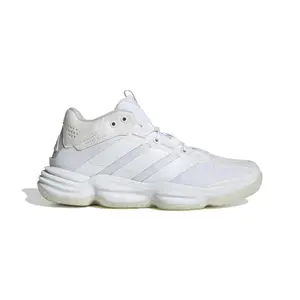
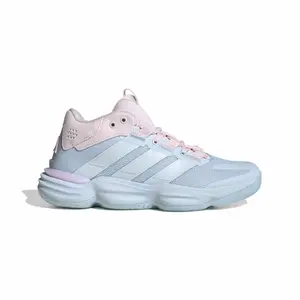
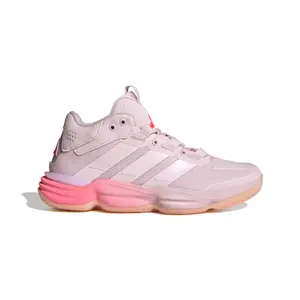
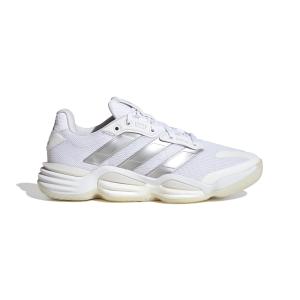
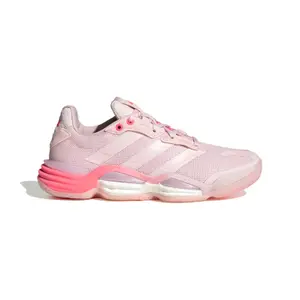
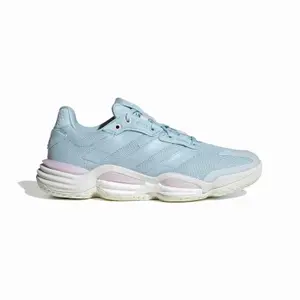
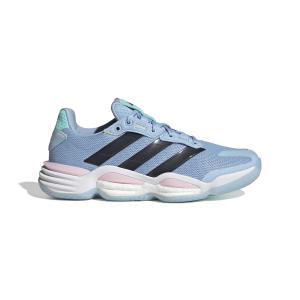

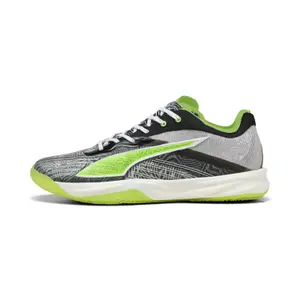
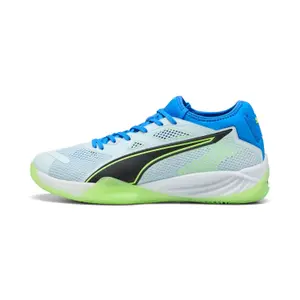
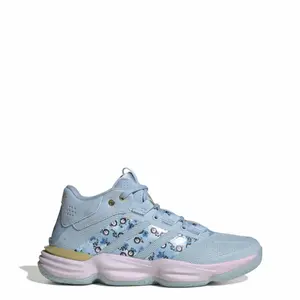
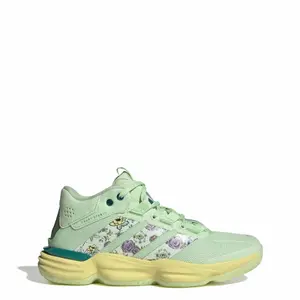
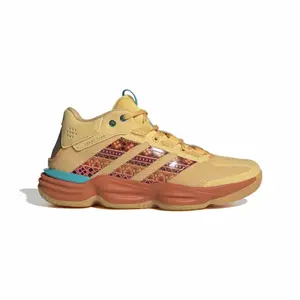
The Handball Shoes bring together indoor shoes from adidas, Asics, Mizuno, Kempa, Hummel, Nike, Salming and Puma, designed for traction, jumps and changes of direction.
Handball puts the foot to the test like few other sports: the shoe must support, cushion and grip.
What handball demands
A handball match involves quick starts, sudden stops, body feints and jumping to shoot, often landing on one leg. The shoe must therefore provide enhanced lateral support to prevent the foot from rolling over the sole during footwork, and cushioning at the forefoot and heel to absorb landings. A running shoe, high and soft on the sides, increases the risk of ankle sprains during these movements.
The sole is made of non-marking rubber, which grips the floors and synthetic surfaces without leaving marks, featuring a herringbone or circular pattern that facilitates pivots. A clean sole grips better: a quick wipe with the hand on the rubber before stepping onto the court removes dust.
The Spezial, born for handball
The adidas Spezial was born in 1979 in West Germany as an elite handball shoe, with its soft suede upper, heel reinforcement and rubber sole for indoor grip. Adopted by players from Germany, the Netherlands and Scandinavia, it later became a fashion icon. Current versions, like the HB Spezial, maintain this silhouette but are designed mostly for city wear: for competition, a modern handball shoe offers far superior cushioning and support.
Low or high collar, and size
Most handball shoes have a low or mid-cut design, which keeps the ankle free for feints. Players prone to ankle sprains may prefer a higher collar or pair their shoe with an ankle brace. Backs and wingers often prioritise lightness, while pivots and defenders focus on stability and cushioning.
Size should be chosen with half a centimetre of space in front of the toes, trying the shoe on with sports socks, and the heel should remain secure during lateral movements. An indoor shoe should not be worn outside: used outdoors, its rubber wears and gets dirty, losing grip on the court.
Shoes by brand
Each brand has its own page:
- adidas, from the Spezial to competition models.
- Asics, featuring its gel-cushioned models.
- Mizuno, with its wavy plate soles.
- Kempa, the German specialist in handball.
- Hummel, a Danish brand with a handball heritage.
- Nike, with its lightweight indoor shoes.
- Salming, a Swedish brand for indoor sports.
- Puma, featuring its Nitro foam models.
The handball player's equipment is completed with textiles, balls, equipment, the club space and supporter items, all brought together on the handball page.
Caring for your indoor shoes
After a match, the shoe should be aired out, with the insole removed, and left to dry in the open air, away from radiators that can loosen the soles. The rubber can be cleaned with soapy water to restore its grip. A pair used several times a week will lose its cushioning after one or two seasons: when the sole becomes smooth or the landings feel hard, it's time to replace them.
Frequently asked questions
Can you play handball in running shoes?
It's not recommended: a running shoe, high and soft on the sides, increases the risk of ankle sprains during footwork and feints. A handball shoe provides enhanced lateral support, cushioning at the forefoot and heel, and a non-marking rubber that grips well on the court.
Is the adidas Spezial still a handball shoe?
Born in 1979 as an elite handball shoe, with a suede upper and rubber sole for indoor use, the Spezial is now mostly aimed at city wear. For competition, a modern handball shoe offers far superior cushioning and support.
Which handball shoe should you choose based on your position?
Backs and wingers often prioritise lightness, while pivots and defenders focus on stability and cushioning. Players prone to sprains may choose a higher collar or pair it with an ankle brace.
What size should you choose for handball shoes?
Keep half a centimetre of space in front of the toes and try the shoe on with sports socks. The heel should stay locked during lateral movements: a foot that moves inside the shoe loses stability and rubs.
When should you replace your handball shoes?
A pair used several times a week will lose its cushioning after one or two seasons. When the sole becomes smooth or landings feel hard, it's time to change them. Reserved for indoor use, the rubber retains its grip longer.






