
Athletic clothing on clearance
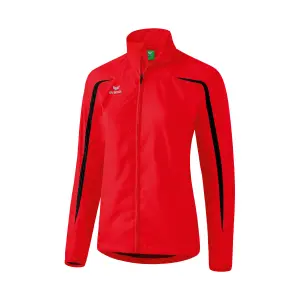
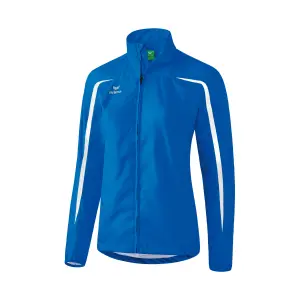
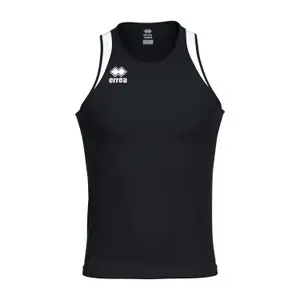
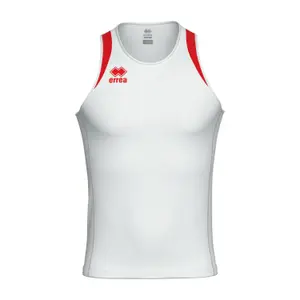
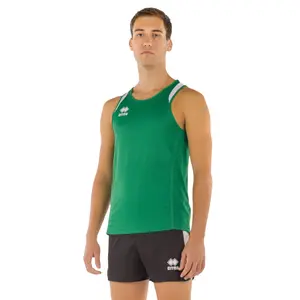
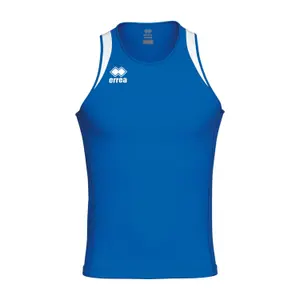
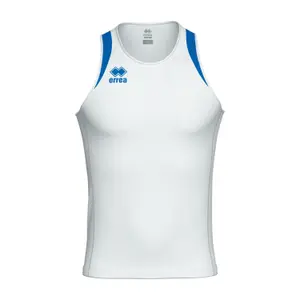
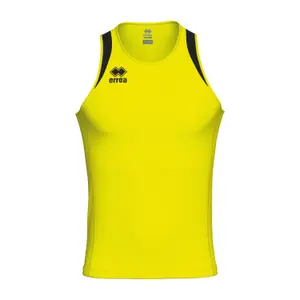
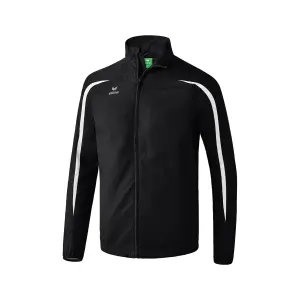
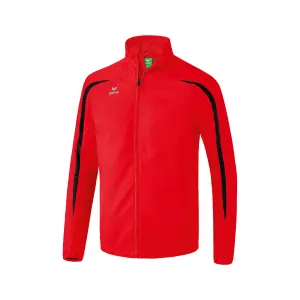
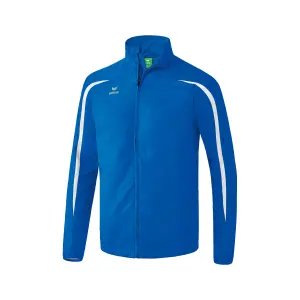
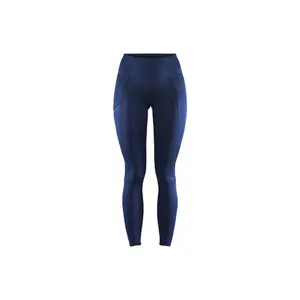
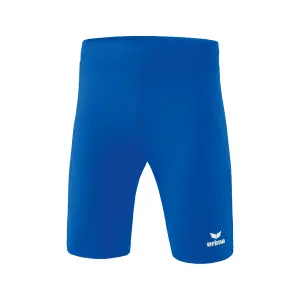
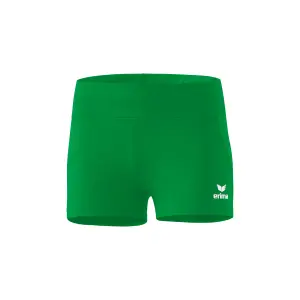
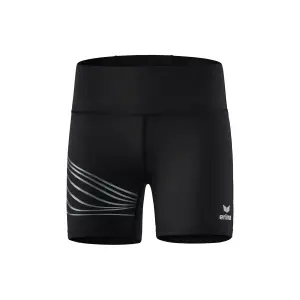
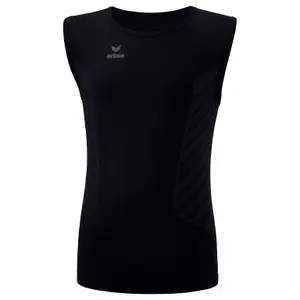
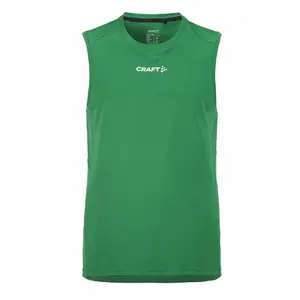
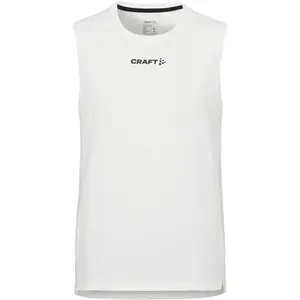
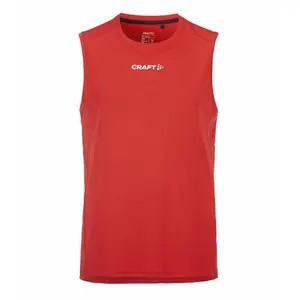
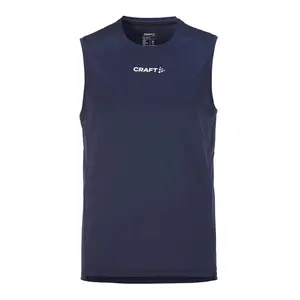
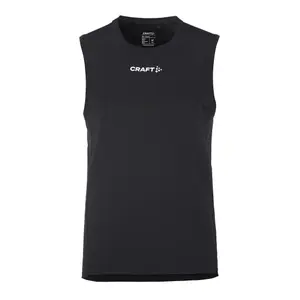
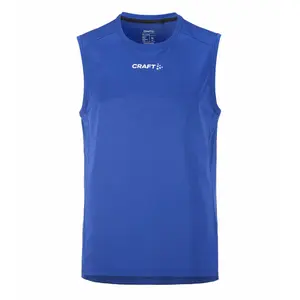
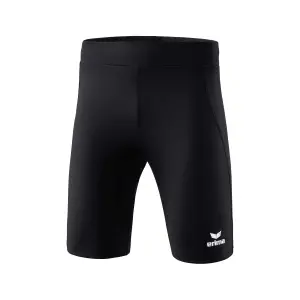
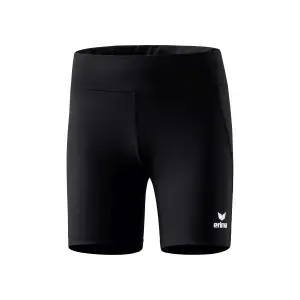
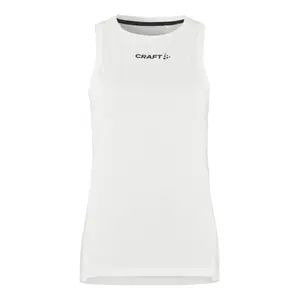
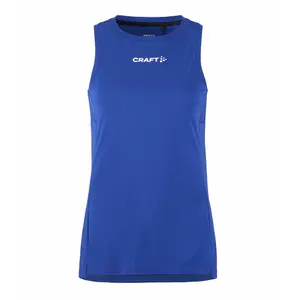
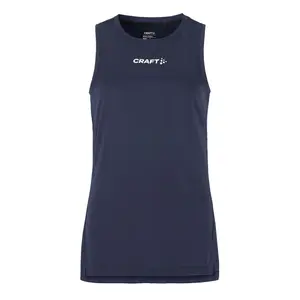
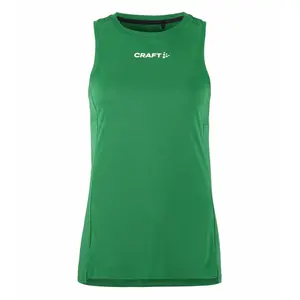
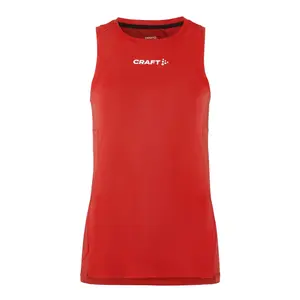
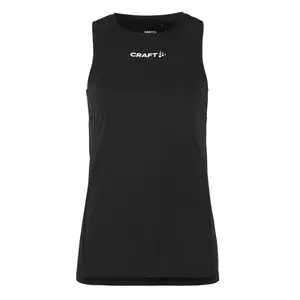
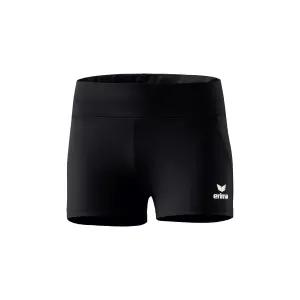
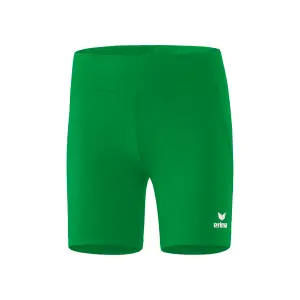
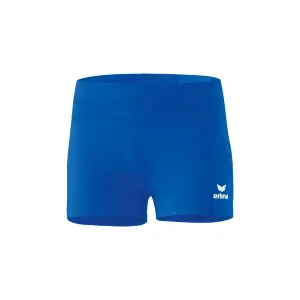
The clearance of athletics clothing brings together the athlete's outfit from the end of the range: women’s and children’s Erima Racing shorts, Erima Athletic vests, Craft Rush and Errea Starter, Craft leggings and Erima running jackets. Designed for the track, cross country and road running, this selection outfits both licensed athletes and clubs that provide for their youth.
Equip an athlete or a club, at a more affordable price.
Tank top and shorts: the competition outfit
In competition, the athlete runs in a tank top and shorts or shorts. The tank top, like the Erima Athletic or the Craft Rush, leaves the shoulders bare for unhindered arm movement, and its thin fabric wicks away sweat. The shorts, like the Erima Racing, hug the thigh and don’t flap: they prevent rubbing during the run, which is why they are used in sprints, hurdles, and jumps. Split shorts remain popular in middle-distance running and on the road for their freedom. During official competitions, members wear their club outfit, which encourages clubs to dress their athletes in the same colours.
The other clearance items
Athletics clearance also includes:
- Shoes, sprint, middle-distance, and jumping spikes.
- Bags.
- Accessories.
All clearance items are gathered on the athletics page.
The bib number: how to wear it according to the event
The bib number pins onto the competition top. World Athletics regulations require two bibs, one on the chest and another on the back; in jumps, one is enough, either front or back. In sprints, athletes also wear a sticky lane number on the side of the shorts, read by the finish line camera. The bib is fixed at four corners, without folding or cutting it, as it often carries the chip for timing on the road. A thin but durable fabric, like that of Erima or Errea Starter tank tops, withstands pins from one competition to the next without tearing.
Cross-country: dress warmly before and after the race
Cross-country is run from autumn to the end of winter, in mud and cold weather. The athlete warms up dressed in leggings and a jacket, like the Craft Essence leggings or the Erima running jacket, only removing these layers at the start signal. In very cold weather, a long-sleeve top under the tank top keeps the body warm during the race. After crossing the finish line, one changes immediately: a soaked athlete can cool down in minutes. A lightweight, water-repellent windbreaker with reflective strips is then used for evening runs throughout winter.
Size, materials and care of technical outfits
Competition outfits fit close to the body: one takes their usual size, or the next size down between two sizes, since shorts that are too loose can bunch and rub. Jackets and warm-up leggings should be chosen for comfort, to layer easily. Children change sizes every year: the Erima Racing shorts in child size allows equipping a young athlete without straining the club’s budget. Polyester and elastane fibres can be washed at thirty degrees, without fabric softener, which clogs the fibres and retains odours, then air dried, never on a radiator which relaxes the elastane.
Frequently asked questions
What outfit should a child wear to start athletics?
A breathable t-shirt or tank top, a pair of shorts or leggings depending on the weather, and a light jacket are sufficient to start. The club outfit is only required for the first official competitions.
What is the difference between shorts and athletics leggings?
Shorts end mid-thigh and are used for running, jumping, and throwing in competition. Leggings, which are long to the ankle, keep muscles warm during warm-ups and winter training.
What athletics outfit to choose in larger sizes?
Opt for slightly longer shorts or wide-belted shorts that don’t roll, and a breathable loose-fitting tank top. The important thing is to avoid rubbing between the thighs and under the arms.
Do you need different clothes for sprinting and middle-distance running?
Sprinters prefer very tight shorts that support the muscles, while middle-distance runners appreciate split shorts for their freedom. The lightweight tank top remains common in both disciplines.
How to avoid chafing during a race?
Choose fitted clothing, without prominent seams at the armpits or crotch, and try them out in training before race day. An anti-chafing cream protects sensitive areas during long distances.






