
Athletic bags on clearance


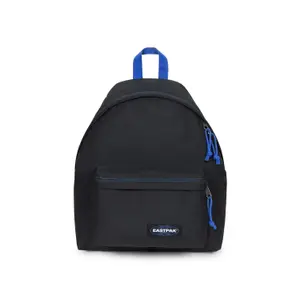


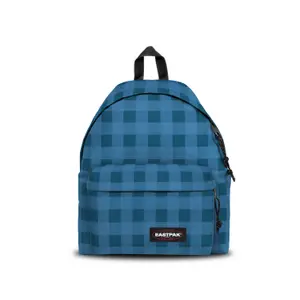

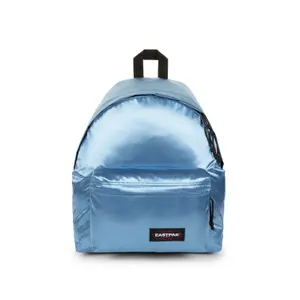
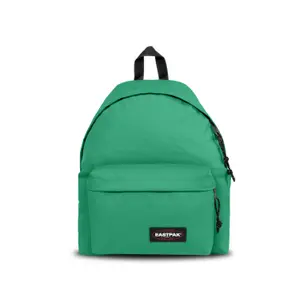
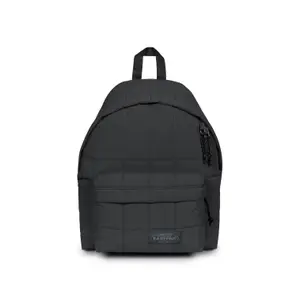
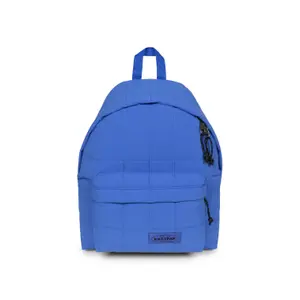


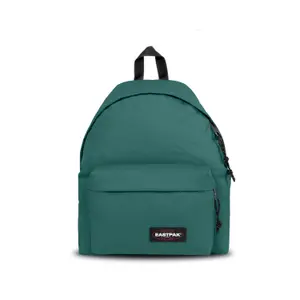


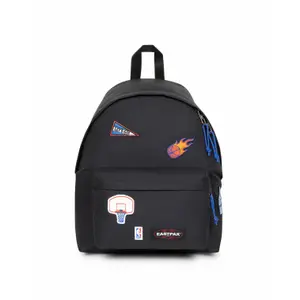


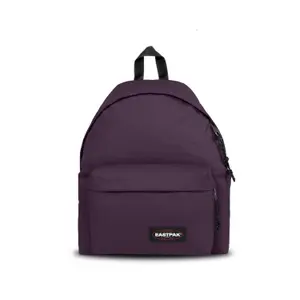

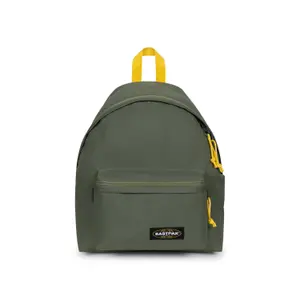


The clearance sale of athletics bags brings together sports bags, backpacks and shoe bags that are end-of-line items, perfect for carrying spikes, competition gear and spare clothes to the stadium. Models designed for athletes training several times a week, young licensees experiencing meetings for the first time, or coaches traveling with their group, all at more affordable prices.
Carry everything to the stadium, for a more affordable price.
Sports bag, backpack or shoe bag: three formats
Three formats are used by athletes. The backpack, worn on both shoulders, distributes weight and keeps hands free for cycling or taking public transport to the stadium; a volume of twenty to thirty litres is enough for training. The sports bag, or duffel bag, offers a large opening and a bigger volume for competition days. The shoe bag, a simple drawstring or zip pouch, keeps a pair of dirty or wet spikes isolated. Many athletes combine the main bag and this pouch, which can slide inside or be attached outside.
The other clearance items
The athletics clearance also includes:
- Shoes, sprinting, middle-distance and jumping spikes.
- Clothing.
- Accessories.
All clearance items are gathered on the athletics page.
Shoe compartment and spike storage
Athletics spikes present a particular problem: their metal studs screwed under the sole snag and pierce fabrics. A separate compartment, usually located at the bottom or end of the bag and equipped with vents, keeps shoes and clothes apart. After a session on a wet track or on cross-country grass, this separate storage prevents bringing mud onto clean clothes. A small zippered pocket holds the spike key and spare studs, varying in length depending on the surface and the discipline, which are easily lost at the bottom of a large bag.
Meeting day: what volume to plan
A meeting or championship can take up a whole day, with warm-ups, heats, finals, and long waits. The bag should then contain one or two pairs of spikes, warm-up shoes, competition gear, a tracksuit, rainwear, a towel, and refreshments. For these days, a volume of forty litres or more prevents overcrowding. Athletes competing in multiple events carry more pairs: models with several external pockets make it easier to access small items without unpacking everything in the call room or in the stands.
Athletics bag for children and young licensees
For a young athlete, the bag should remain lightweight when empty and proportionate to their back: a backpack of fifteen to twenty litres, with padded and adjustable straps, is suitable for training at the athletics school. It should not hang below the waist when worn and should not be overloaded. A tag with the child's name prevents confusion in locker rooms, where club bags all look similar to each other. A side pocket for a water bottle encourages regular hydration during the session, especially during summer training on a hot track.
Frequently asked questions
How to choose the size of a sports bag?
The volume is measured in litres: twenty to thirty for training, forty to sixty for competition or a weekend training camp. When the brand indicates S, M or L, refer to the volume specified on the product sheet for comparison.
How to get rid of the smell from a sports bag?
Empty it right after returning, leave it open to dry, then scrub the inside with a sponge and water mixed with baking soda or white vinegar. A pouch of baking soda placed in the shoe compartment absorbs moisture between sessions.
Can a sports bag go in the washing machine?
Most manufacturers advise against it, as the drum can deform the reinforcements, the rigid base, and the closures. Hand washing in lukewarm soapy water, followed by air drying, prolongs the life of the bag.
Why choose a waterproof bag for athletics?
Competitions take place in all weather conditions, and the bag is often left on wet grass or bleachers. A coated base and water-repellent fabric keep spare clothes dry until the end of the day.
How to customise a club sports bag?
Clubs often have their name and logo printed or embroidered on their athletes' bags, making them easier to spot in the stands. For this, choose a model with a large plain panel, without a pocket in that area, in a material that accepts printing.






