
Bicycle locks on clearance
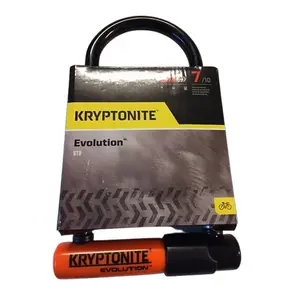
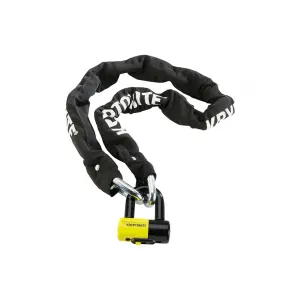
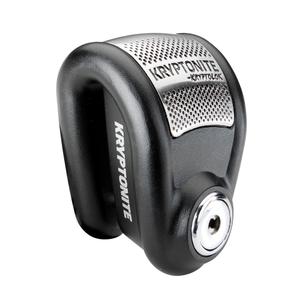
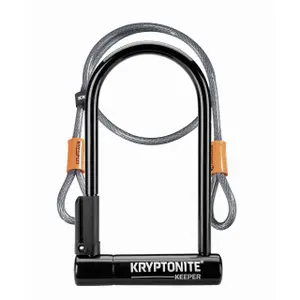
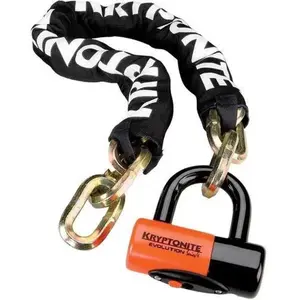
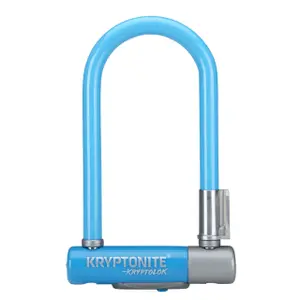
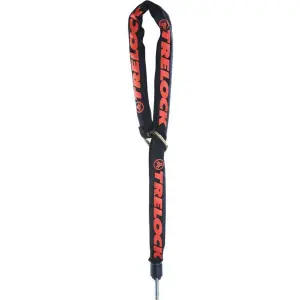
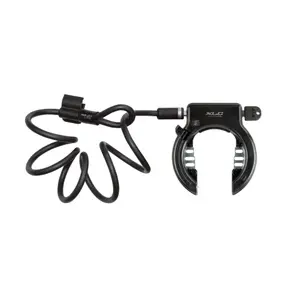
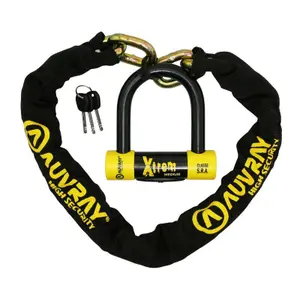
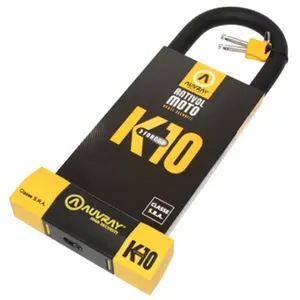
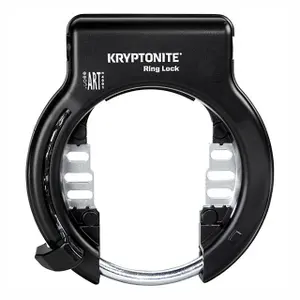
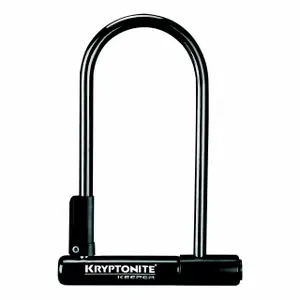
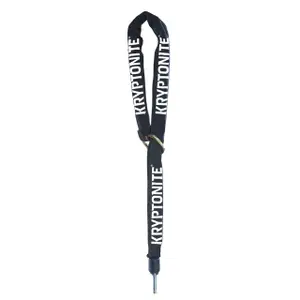
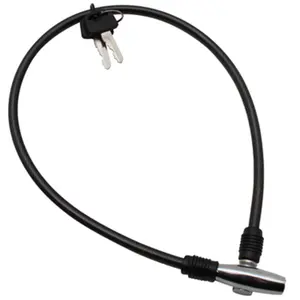
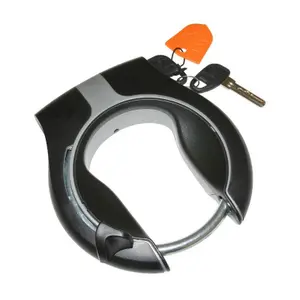
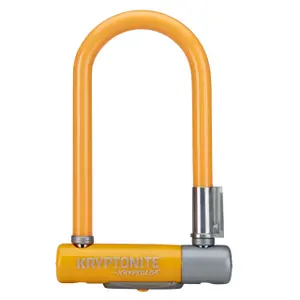
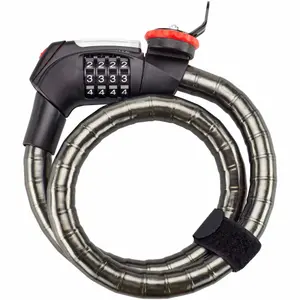
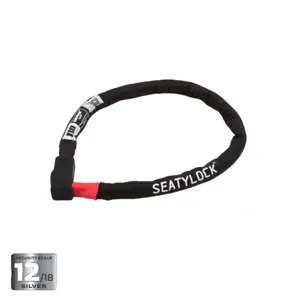
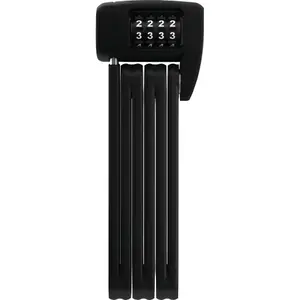
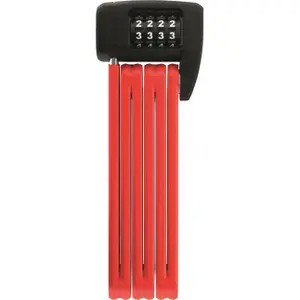
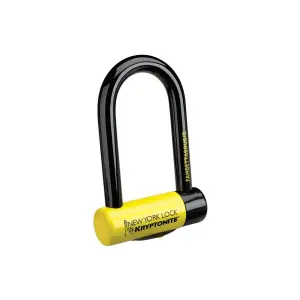
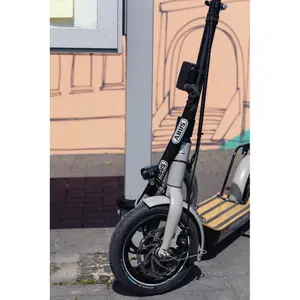
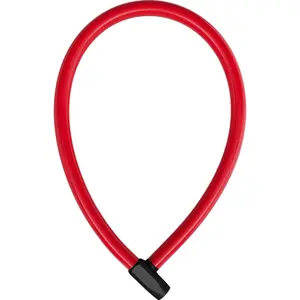
The bicycle lock clearance brings together end-of-line products for parking in the city or going on a trip: U-locks Kryptonite, Abus Granit, Onguard, Seatylock and CactUs Lock, chains Kryptonite New York, Onguard Mastiff and Auvray Xtrem, folding locks Abus Bordo, cables, disc locks and alarm boxes. Everything you need to protect a city bike, a road bike or an electric bike.
Find your bike where you left it, at a reduced price.
U-locks, chains, folding locks or cables: the strength of each format
The U-lock, a hardened steel shackle locked into a bar, offers the best strength for its weight: the Kryptonite Evolution, the Abus Granit or the Onguard PitBull resist cutters and leverage. The chain with thick links made of hardened steel, such as the Kryptonite New York or the Auvray Xtrem, provides a similar level of protection, with added length to wrap around a tree or a wide post, but weighs significantly more. The folding lock, like the Abus Bordo, has articulated steel blades that can be folded and stored in a holder on the frame. The cable, lightweight and flexible, can be cut in seconds: it should only be used as a complement to secure a wheel or a saddle.
Other clearance items
The bike clearance is also available in:
All clearance items can be found on the bikes page.
Security levels and labels for insurance
Manufacturers rate their locks on their own security scale: Abus from one to fifteen, Kryptonite from one to ten, and others on different scales, making it hard to compare across brands. The independent labels are more telling: in France, the FUB certification, awarded after attack tests, and the SRA certification, required by many insurers, ensure a minimum level of resistance. Before signing up for theft insurance, you should read the contract, which often requires an approved lock and sometimes a fixed attachment point. Keep the receipt for the lock with that of the bike, as the insurer may request it after a theft.
Locking your bike to deter theft
The technique is just as important as the lock. Secure the frame and the rear wheel, the most expensive part, to a sealed fixed point like a loop or pole, filling the inside space of the U as much as possible so that no jack or lever can fit in. Position the lock high up, away from the ground, where a thief can't leverage it to crush. The front wheel with a quick release can be secured with a cable or a second lock. For an electric bike, remove the battery and the display when possible. Alarms, like the Abus Alarmbox or the Auvray Alarm, and the Kryptolok disk lock emit a loud sound as soon as someone tries to tamper with the bike.
Mandatory marking and the history of the U-lock
Since January 1, 2021, every new bike sold by a professional in France carries a unique identifier attached to the frame and registered in the national file of bike owners; since July 1, 2021, this obligation has extended to second-hand bikes sold by professionals. In case of theft, this marking helps law enforcement return a recovered bike. The U-lock originated in the United States: Kryptonite, based in Massachusetts, popularized it in 1972 through a famous demonstration in New York, where a bike locked up for thirty days in the street retained its frame. Abus, founded in 1924 in Germany by August Bremicker and his sons, started with padlocks.
Frequently asked questions
What lock should I choose for an electric bike?
An electric bike, highly sought after by thieves, deserves a high-level U-lock or chain, ideally certified, complemented by a second lock. Remove the battery when possible and prefer fixed, well-lit locking points.
What should I do if I've lost my lock key?
Most manufacturers, including Kryptonite and Abus, provide a card with a key number to order a duplicate. Without this number, you'll need to have the lock cut by a professional, proving you own the bike.
Combination lock or key lock: which is more secure?
For equivalent models, key locks generally offer better resistance, as their mechanism is harder to manipulate. Combination locks prevent losing a key and can be easily shared within a family, but are better for short stops.
What weight of lock should be acceptable for daily use?
A good U-lock usually weighs between one and two kilos, while a high-security chain often weighs more. For daily commutes, a U-lock mounted on its holder remains the best compromise; a heavy chain can be left permanently attached to the work loop.
How do I maintain a lock so it doesn't jam?
Inject a few drops of dry lubricant or graphite into the lock several times a year, especially before winter. Salt and rain can seize the mechanism; wipe the lock after a downpour and avoid thick oils that attract dust.






