
Bicycle textile clearance


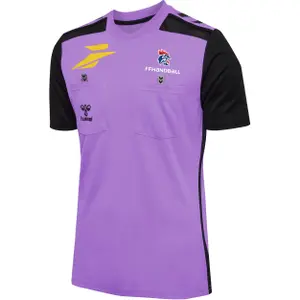

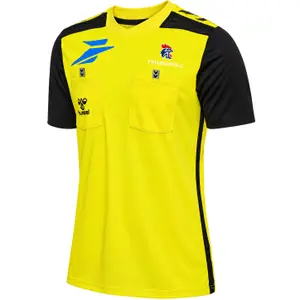


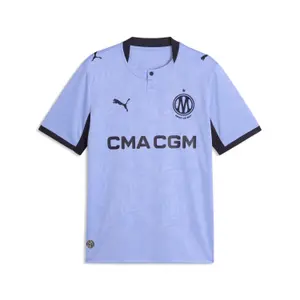
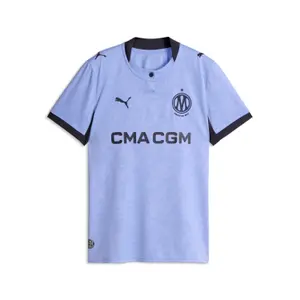






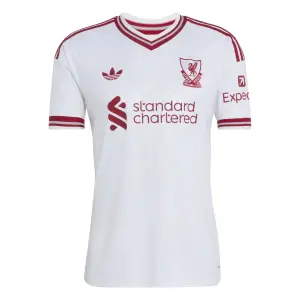
This selection of bike textiles in clearance brings together the cyclist's outfit, from road rides to mountain biking and daily commutes: short and long bib shorts, with straps or waistband, fitted jerseys with back pockets, compressible windbreakers, waterproof jackets, gloves and cycling socks. Clothes designed for sitting on the saddle and the wind of speed.
Dressing to ride, at a friendlier price.
The shorts: padding, straps and length
The shorts are the main piece for cyclists. Its padding, a cushioned insert sewn into the crotch, distributes the pressure from the saddle and reduces friction: the denser and more shaped it is, the more it is suitable for long rides. The bib shorts stay in place regardless of the position, without elastic that compresses the belly, while the waistband model is easier to take off during stops. The length follows the season: short shorts in summer, 3/4 shorts stopping below the knee in mid-season, long tights for when the temperature drops. The fabric should fit without wrinkles, so that the padding doesn't shift.
Other clearance items
The bike clearance also includes:
All clearance items are gathered on the bikes page.
Bike jersey: fit, zip and back pockets
The cyclist's jersey is distinguished by its back pockets, generally three, located at the lower back for easy access while riding: energy bars, inner tubes, phone or windbreaks fit here. Its fitted cut, longer at the back than the front, accommodates the bent position without riding up. The zip, full or partial, allows for ventilation on climbs. Road jerseys are close-fitting to reduce air resistance, while MTB jerseys, which are looser and often long-sleeved, protect the arms from branches and are worn over baggy shorts.
Windbreakers, vests or waterproof jackets: staying protected while riding
On a bike, the relative wind cools the body much more than when walking, especially during descents. The sleeveless vest protects the torso while leaving the arms ventilated: it fits into a pocket of the jersey. The windbreaker jacket, very thin and compressible, also covers the arms on fresh mornings. In rainy weather, the waterproof jacket keeps the upper body dry; its extended back protects against spray from the rear wheel and its vents prevent condensation on climbs. For urban rides, choose brightly coloured jackets or ones with reflective strips, easily visible to drivers.
Cyclist gloves and socks
The gloves for biking absorb vibrations from the handlebars thanks to a gel or foam padded palm, and protect the hands in case of a fall. Short gloves, with fingers cut off, are suitable for summer; long gloves, more covering, are for MTB and winter, with a fingertip compatible with touch screens. The cycling socks, thin and without prominent seams, prevent pressure points in stiff and tight shoes. Their medium-height shaft protects the ankle from crank rubbing, and a breathable fibre keeps the foot dry during long rides.
Frequently asked questions
Do you wear underwear under bike shorts?
No: the padding of the shorts is designed to be worn directly on the skin. Underwear would add seams and retain moisture, both sources of irritation on long rides.
How do you choose the size of bike shorts?
The shorts should fit closely to the thigh without folds or excessive pressure, and the padding should sit exactly under the seat. Try it on in a bent position: the straps should not pull on the shoulders or leave any slack.
What kit to wear for winter cycling?
Pair a technical base layer, a long-sleeve thermal jersey, and a windproof jacket, with long lined tights. Protect your extremities with warm gloves, thick socks, and shoe covers.
What's the difference between MTB kit and road kit?
The road cyclist wears a tight-fitting outfit to limit air resistance. The mountain biker prefers a looser jersey and baggy shorts, often worn over padded undershorts that are more resistant to branches and falls.
How long do bike shorts last?
Bike shorts used several times a week typically last two to three seasons. They should be replaced when the padding becomes compressed, the fabric turns transparent or the leg elastic no longer holds.






