
Goalkeepers on clearance
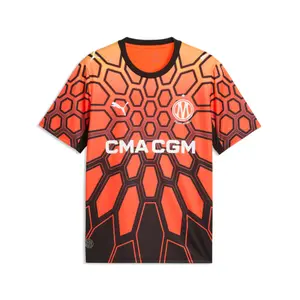
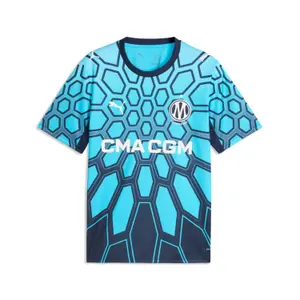
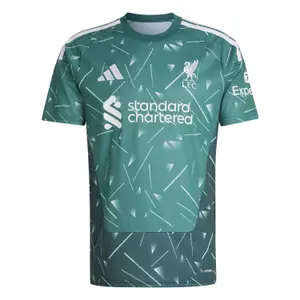

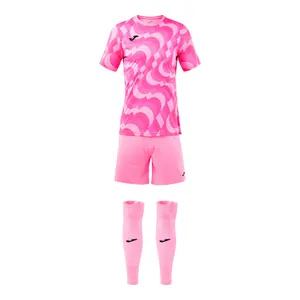
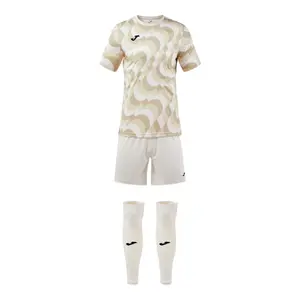
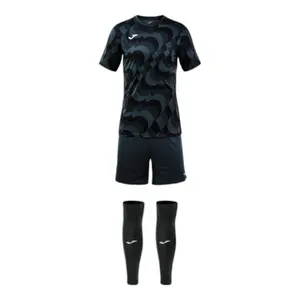
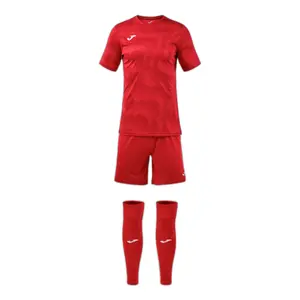
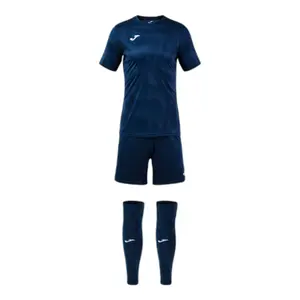
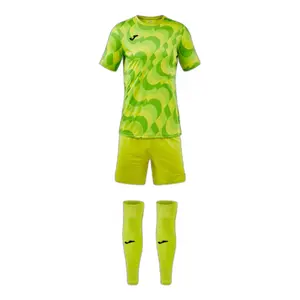
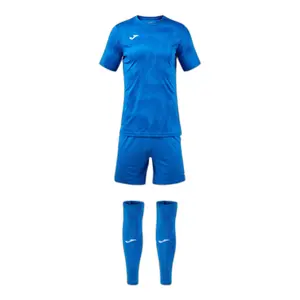
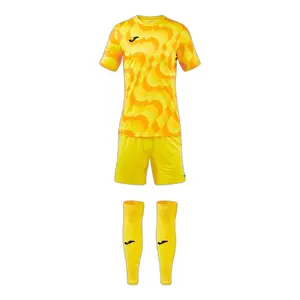
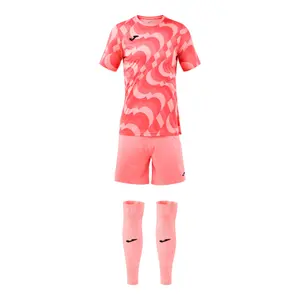


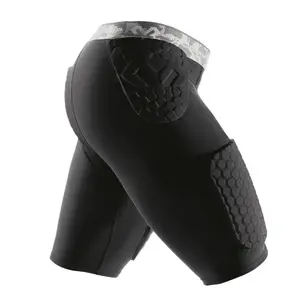


The clearance sale for goalkeepers brings together end-of-line items for the last line of defence: match and training gloves from Nike, goalkeeper shirts from OM, Liverpool and FC Barcelona, padded trousers from Uhlsport, Hummel and Erima, shorts from Reusch, kits from Joma Zamora and Hummel Core, and Uhlsport Goal jackets, available in adult and children's sizes, for club goalkeepers as well as young players discovering the position.
The gear for the last line of defence, at reduced prices.
Latex, cut and fit: understanding a goalkeeper glove
The quality of a goalkeeper glove starts with its latex palm. A soft and thick latex grips the ball even when wet and cushions impacts, but wears out quickly on synthetic pitches; a firmer latex holds up better under repeated training. The cut changes the feel: inner seams for a negative cut that hugs the hand, outer seams for a flat cut that provides more surface area, and latex wrapped around the fingers for a snug grip. At Nike, the Grip and Vapor Grip gloves are designed for matches, while the more durable Academy can handle the week's training sessions. These end-of-line items sell out quickly and are not restocked.
Other end-of-line items
Football clearance also includes:
All end-of-line items are gathered on the football page.
Padding trousers or shorts: protect hips and knees
On a synthetic or frozen pitch, every dive rubs the skin against the ground: the goalkeeper trousers prevent burns and grazes. The Uhlsport Standard, the Hummel Classic and the children's trousers from Erima include foam padding at the hips, sometimes at the knees, exactly where the body touches the ground. In good weather or on natural grass, the padded shorts take over: the Reusch Contest Advance protects the hips while keeping cool, and the Uhlsport Goalkeeper Tights, worn under the match shorts, add an invisible layer of foam. The choice depends much more on the surface and the weather than on the goalkeeper's age.
Why does the goalkeeper wear a jersey of a different colour?
The Rules of the game require the goalkeeper to wear a kit of a different colour from the players of both teams and the referees. The aim is simple: to quickly identify the only player allowed to use their hands within their own penalty area. Clubs therefore offer goalkeeper jerseys in bright colours, like those of OM, Liverpool or FC Barcelona, often with long sleeves and reinforced elbows to absorb falls. The children's versions mimic the colours worn by professional goalkeepers, allowing them to dress like their idol as soon as they join football school.
Equipping a young goalkeeper: kits and glove sizes
For a child discovering the position, the kit consisting of a jersey, shorts, and socks simplifies the gear: the Joma Zamora and Hummel Core, available in adult and child sizes, dress the club goalkeeper all at once. For gloves, the size is determined by measuring the hand around the knuckles, excluding the thumb: sizes four to seven fit children according to their age, and sizes eight to eleven cover adult hands. A glove that's too big bends at the fingertips and lets the ball slip; a glove that's too tight stretches the latex and wears it out prematurely. Gloves in club colours, like those of Manchester City, are popular with the younger ones.
Frequently asked questions
How can you tell if a goalkeeper glove is worn out?
A worn goalkeeper glove loses its grip: the latex develops holes at the palm and fingers, and the ball slips even on a weak strike. When the foam becomes thin enough to feel impacts, it's time to get a new pair.
Should you wet your goalkeeper gloves before the match?
Yes, most latex grips better when slightly damp: run a bit of water over the palm before warming up, without soaking it. However, avoid leaving them to dry in the sun during half-time.
What are the purpose of the spines in a goalkeeper glove?
The spines, or finger protections, are rigid rods inserted on the back of the fingers that prevent hyperextension from a powerful strike. They reassure young goalkeepers, at the cost of a slightly less flexible hand.
What goalkeeper gloves are suitable for synthetic pitches?
Synthetic surfaces wear out latex quickly: choose training gloves with a thicker and firmer palm for training sessions, and keep a match pair for the weekend. Rinse them after each session to remove rubber pellets.
How do you wash a padded goalkeeper jersey?
Wash it inside out, at thirty degrees and without fabric softener, to preserve the elbow foams and the printing. Dry it flat, away from a radiator: heat hardens the padding and makes prints crack.






