
Football teams on clearance
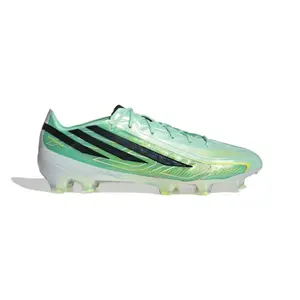
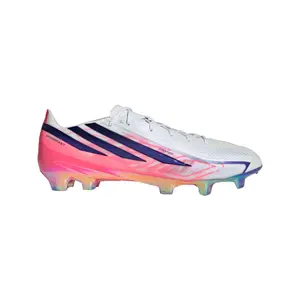
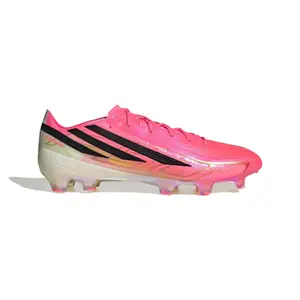
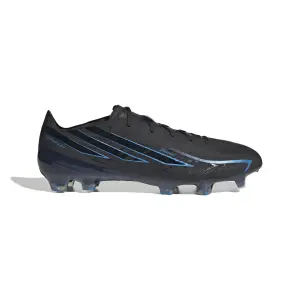
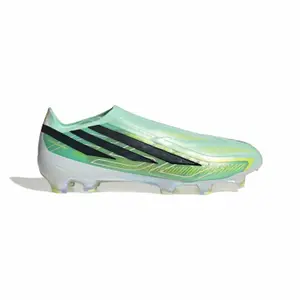
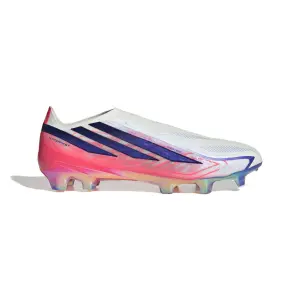
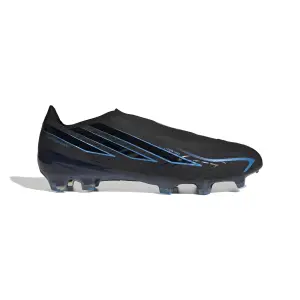
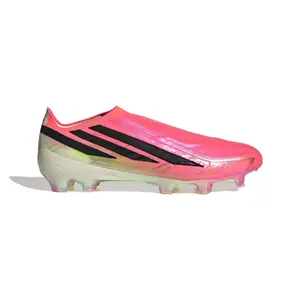
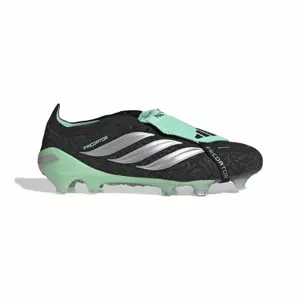
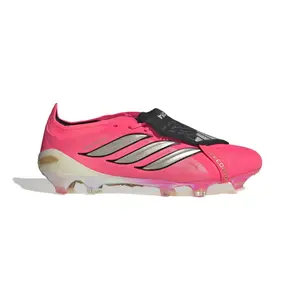
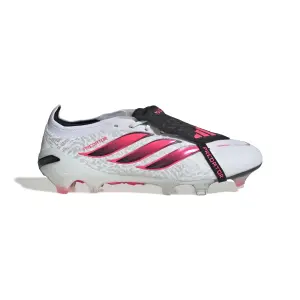
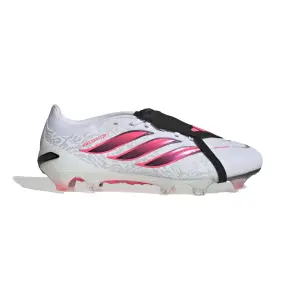
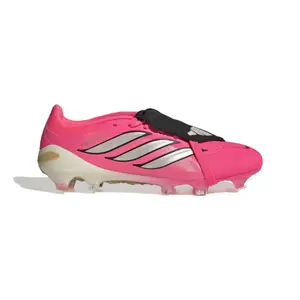


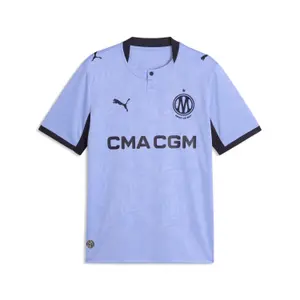
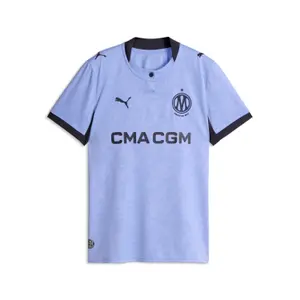



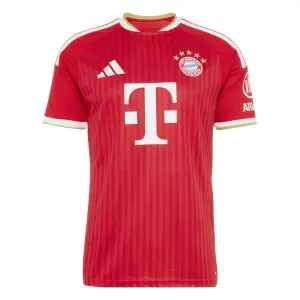


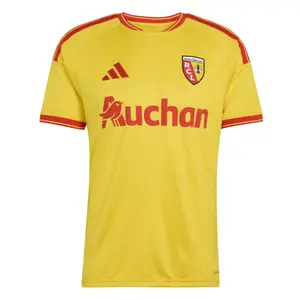
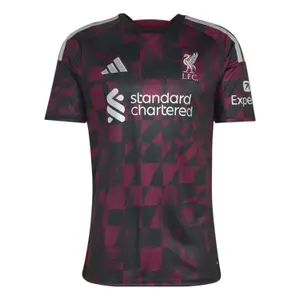
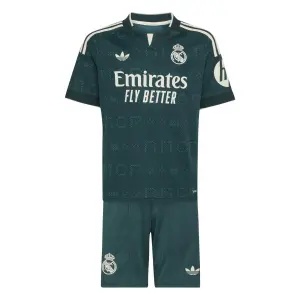


The clearance sale for Football Teams brings together club and national team jerseys that are at the end of their run: PSG, OM, RC Lens, Real Madrid, FC Barcelona, Bayern Munich, Liverpool, or Arsenal on the club side, Spain, Brazil, or Algeria on the national side. Supporter and authentic versions, adult and child sizes, and official competition badges allow fans to find their team's kit just as it is.
The colours of your team, at a friendlier price.
Supporter or Authentic: Two Different Cuts
Major clubs release their shirts in two versions. The supporter version, which you wear in the stands or casually, has a straight and comfortable cut, a slightly thicker fabric, and an emblem that is most often embroidered. The authentic version, like the authentic home shirt of PSG, is the one worn by players on the pitch: it has a fitted cut close to the body, lighter and perforated fabric to wick away heat, and thermally-adhesive emblems and logos to reduce weight. It therefore runs smaller, and it's often recommended to choose a size up to wear it off the pitch. Children’s shirts follow the supporter version, which is more durable for everyday wear.
Other End-of-Line Products
Football clearance also includes:
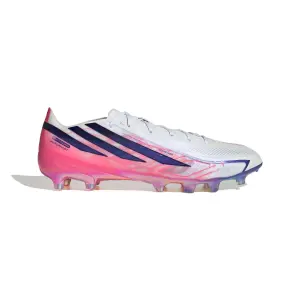
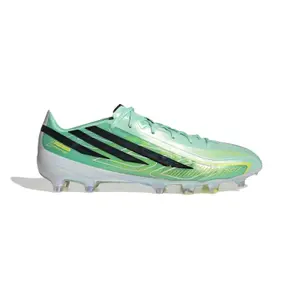
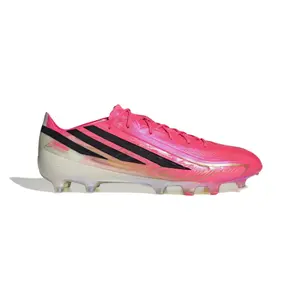
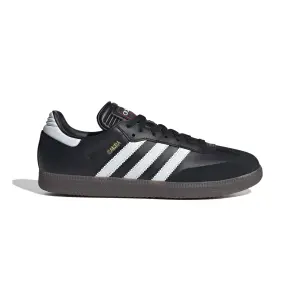
- Shoes.
- Juniors.
- Goalkeepers.
- Teamwear, team textiles.
All end-of-line items are gathered on the football page.
Competition Badges and Stars Above the Emblem
A badge on the sleeve turns a club shirt into the attire of a specific competition. The winner of the Champions League wears a defending champion badge the following season: PSG won it by claiming their first final on May 31, 2025, in Munich, beating Inter five-nil. In the Premier League, the No Room for Racism badge highlights the English league's campaign against discrimination. The stars embroidered above the emblem celebrate major titles: for a national team, each star corresponds to a World Cup won, an honour only a few countries can boast.
Real Madrid, Barça, OM, Brazil: The Story of the Colours
Each shirt tells a story. The Real Madrid, founded in 1902, has played entirely in white since its inception, earning its nickname Merengues. The FC Barcelona, established in 1899 by Swiss Joan Gamper, adopted blue and maroon, or blaugrana. OM, also founded in 1899, wears white and sky blue, while RC Lens sports blood and gold, a tribute to its mining area. On the national team side, Brazil switched from white to yellow and green after their defeat in 1950 at the Maracanã, after a competition won in 1953 by Aldyr Garcia Schlee. Algeria, they traditionally alternate between white at home and green away.
Size Guide, Printing, and Care of a Club Shirt
A club shirt follows the size guide of its manufacturer, and adidas and Nike have their own sizing charts: it's always best to compare measurements rather than your usual size. For a child, ages or height in centimeters are used, leaving some room for growth. The printing of a player's name and number is applied both on the supporter version and the authentic version, in the official championship typography. To last, the shirt is washed inside out, at thirty degrees, without fabric softener or tumble drying, and should never be ironed over the printed areas or badges. An end-of-line shirt remains an official product, identical to the one sold at its launch.
Frequently Asked Questions
What size football shirt should I get for a ten-year-old?
A ten-year-old generally wears a size ten, or 140 centimeters according to the manufacturer. Measure their height and choose the size above if they’re between two sizes: the shirt will still fit them the following year.
How can you tell if a shirt is official?
An official shirt has the manufacturer's label with a product reference, neat stitching, and a badge that matches the club model. The feel of the fabric and the precision of the logos quickly reveal a counterfeit.
Do national team shirts fit like club shirts?
Yes, they follow their manufacturer's guide, just like club shirts. A supporter version is taken in the usual size, while an authentic version, being more fitted, requires a size up for added comfort.
Why do clubs change shirts every year?
Most major clubs launch a new home shirt every summer, along with away and third shirts. The previous model then becomes an end-of-line item, with the same quality and emblem.
What is the purpose of a club's third shirt?
The third shirt, or third, is used when the home and away kits clash with the opponent's colours. Often bolder, it is also worn in European cups and becomes a collector's item for fans.






