
Football shoes on clearance
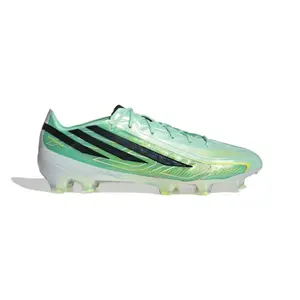
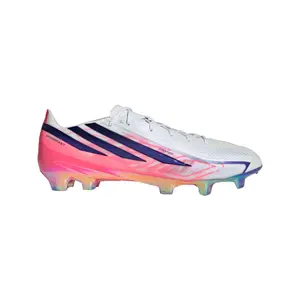
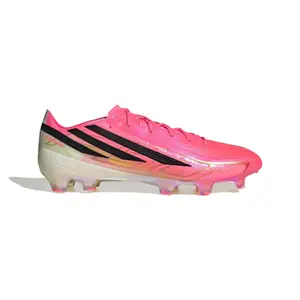
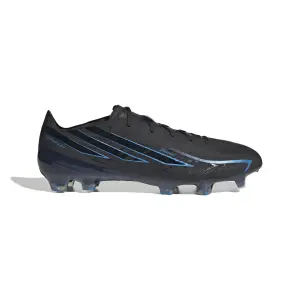
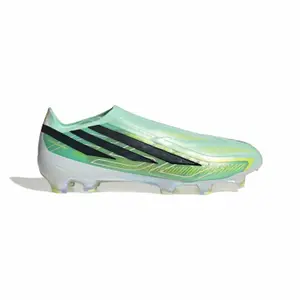
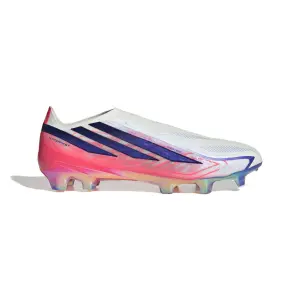
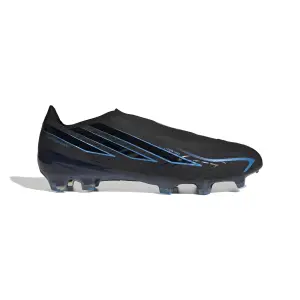
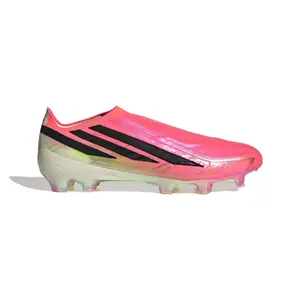
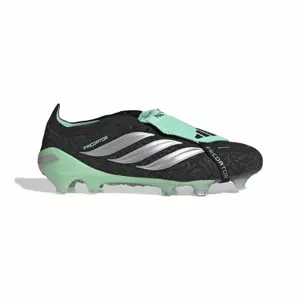
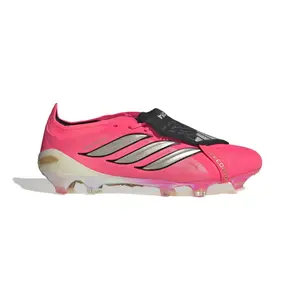
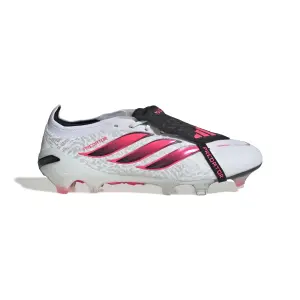
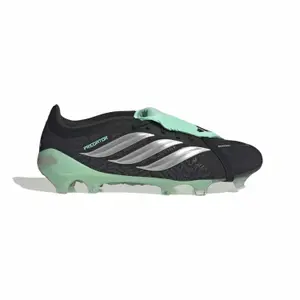
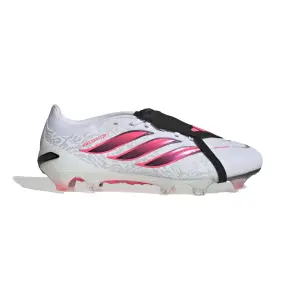
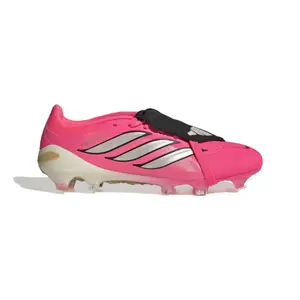
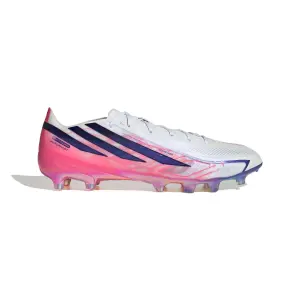
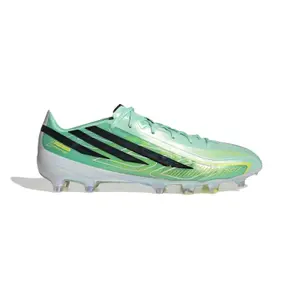
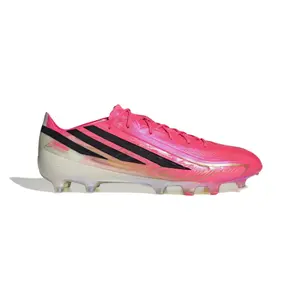
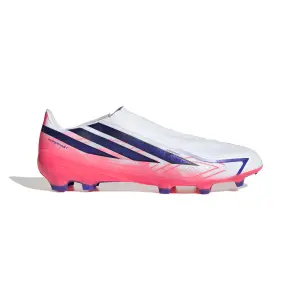
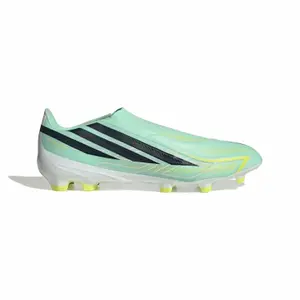
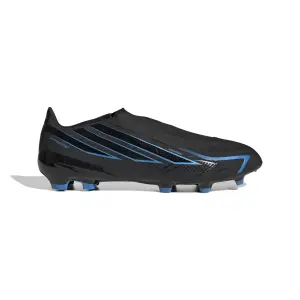
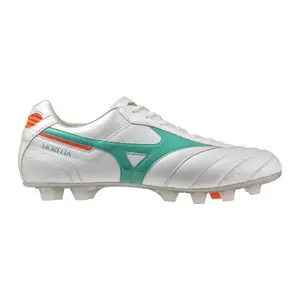
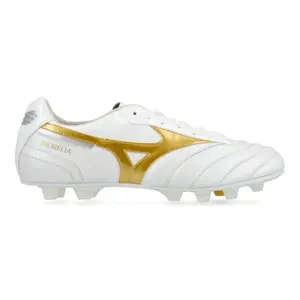
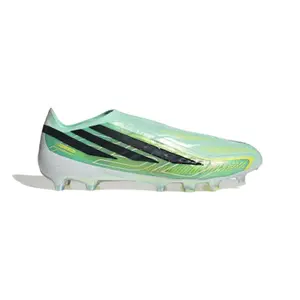
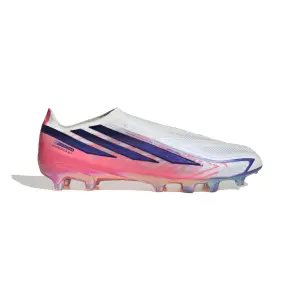
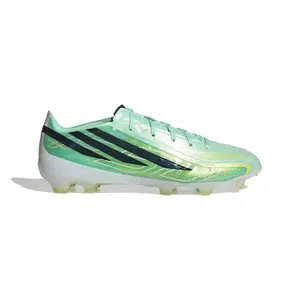
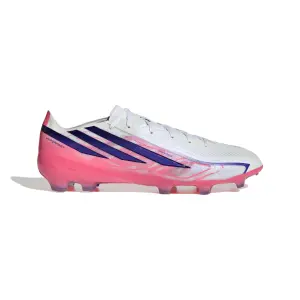
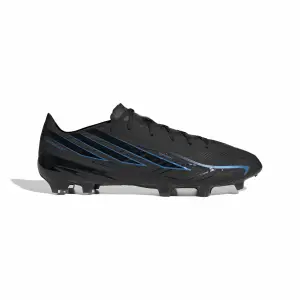
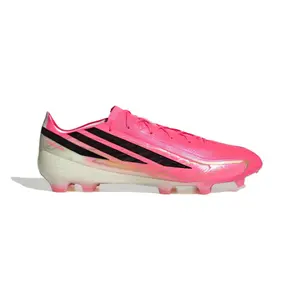
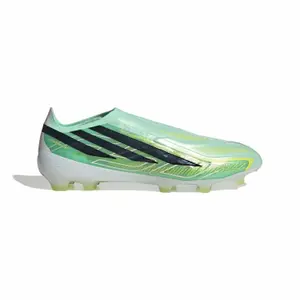
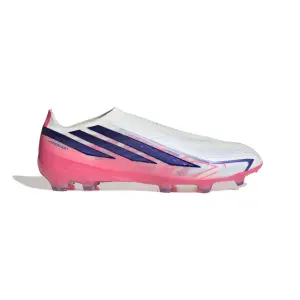
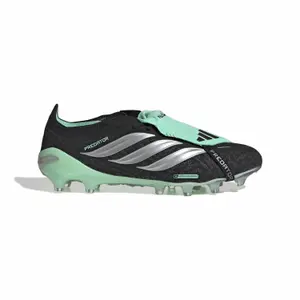
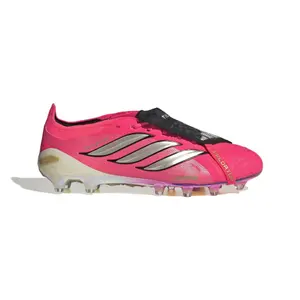
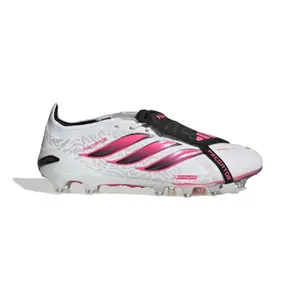
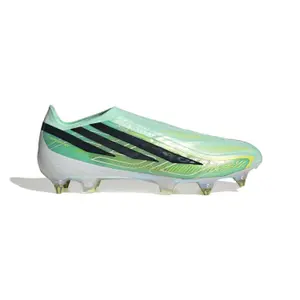
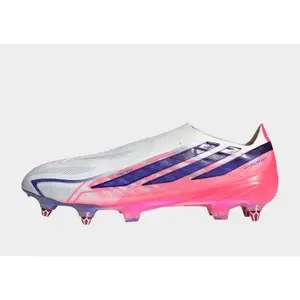
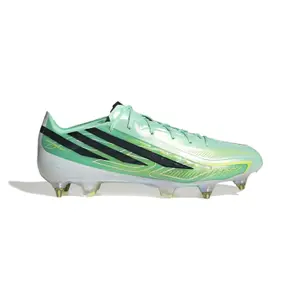
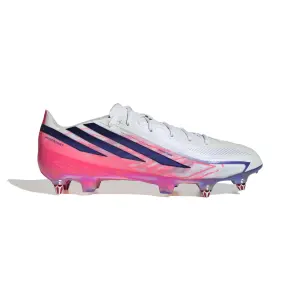
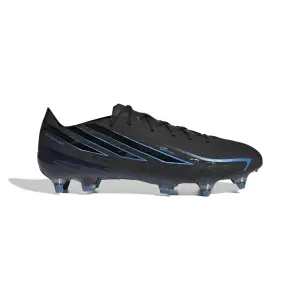
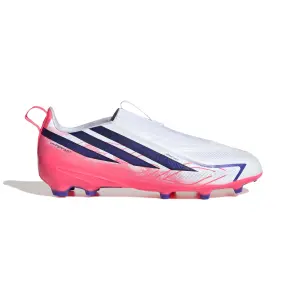
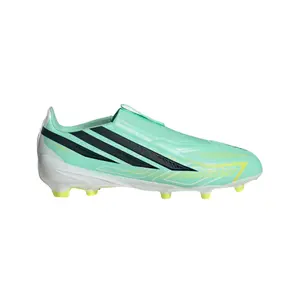
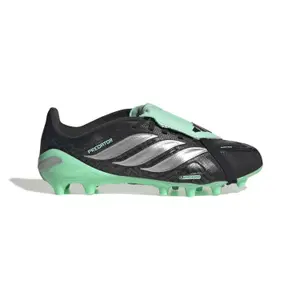
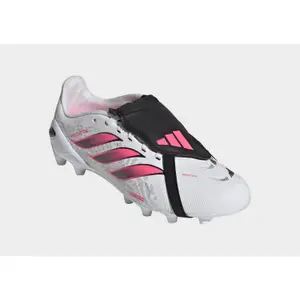
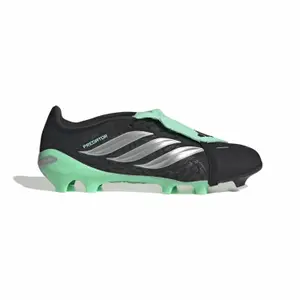
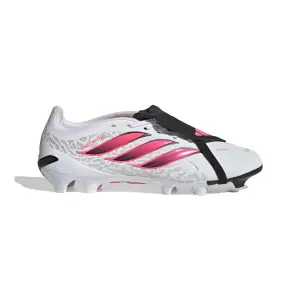
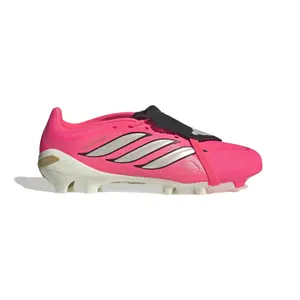
The clearance of football boots gathers end-of-line studs all year round: previous generations and replaced colours of adidas Predator and F50, Nike Mercurial and Mizuno Morelia, in adult and child sizes. Identical shoes in quality to the models that succeeded them, for grass, synthetic or indoor play.
Previous generation, the same quality, a softer price.
A previous generation: what really changes
The ranges of studs are refreshed at a steady pace, often with a new colourway and some tweaks to the upper, sole or fit. A previous generation still represents a high-level shoe: the Predator Accuracy, which preceded the current Predator, offers the same quality of construction and has been worn by many professionals. The clearance sale brings together models that won’t be restocked, available in the size present. For a demanding player, this is the safest way to reach an Elite or Pro level, with technologies that have been tested on the pitch throughout a season.
The other football clearance items
The football clearance also covers:
- Teams, club and national team jerseys.
- Juniors, kids' footwear and kits.
- Goalkeepers, gloves and kits.
- Teamwear, team apparel.
All the clearance items are available on the football page.
Predator: the evolution of a single idea since 1994
The Predator was born in 1994 from an idea by Australian Craig Johnston: to stick rubber strips onto the upper for better ball control. Each generation has revisited this principle, with more discreet inserts, thinner uppers and, in some models, the now-signature foldable tongue. The Predator Accuracy focused on raised grip zones at the front and inside of the foot for precise strikes. The FT versions revive the large tongue from the 1990s. From one generation to the next, the promise remains the same: control, spin and power for midfielders and free-kick takers.
Clearance: getting the right purchase without trying on
In clearance, the sizes are often incomplete and nothing is restocked: you check your size before deciding, by measuring the length of your foot in centimetres and comparing it to the adidas, Nike or Mizuno size guide. If you already have a pair from the same range, you stick with your usual size, as the fit changes little from one generation to the next. You also check the sole indicated on the label, FG, AG, MG or TF, to make sure it’s suitable for your usual playing surface. For a child who changes size every year, a clearance item allows for proper gear without waiting for the next generation.
Indoor and turf: soles for indoor and hard pitches
Not all football shoes have studs. The indoor sole, flat and made from non-marking rubber, like that of the F50 Club Indoor, grips the gym floor and the surfaces of futsal pitches, allowing it to play surface on the ball. The turf sole, covered in small rubber studs, like on the Mizuno Morelia Elite TF, is made for stabilised surfaces, slate and older synthetic pitches with short grass, as well as five-a-side football. These models wear out less quickly than moulded studs on hard ground and are easier on the joints: an ideal backup option for winter training.
Frequently asked questions
Are studs from an older generation worse?
No, the differences from one generation to another primarily concern colour and a few details of the upper or sole. A Predator or a Mercurial from an earlier version retains its playing qualities, as long as you choose the right sole for your surface.
Why are football shoes so snug?
A football shoe fits closely to the foot to transmit striking force and maintain precise control of the ball. A foot that floats loses precision, slips during movements and is prone to blisters and sprains.
What’s the difference between the F50 and the Predator?
The F50 is the speed shoe from adidas, very light and with a thin upper, designed for explosive players. The Predator focuses on control and spin thanks to a more grippy upper, favoured by midfielders and free-kick takers.
How to lace football shoes so they stay on throughout the match?
You gradually tighten each lace from the toe, without compressing the midfoot, and finish with a double knot. Some players then tuck the loops under the tongue to prevent them from coming undone when contacting the ball.
Can you play on synthetic with FG studs?
Occasionally, yes, but the long studs on FG soles grip too much on synthetic grass, putting strain on the knees and wearing out quickly. For regular use on synthetic, an AG or FG/MG sole is more suitable and durable.






