
Handball equipment clearance sale
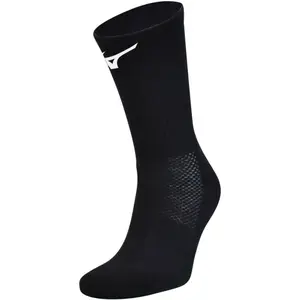
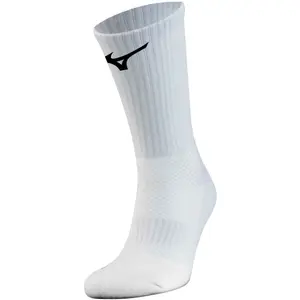
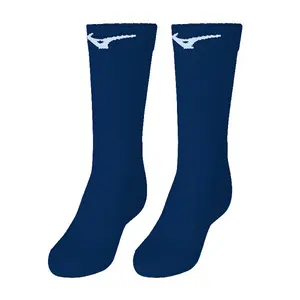
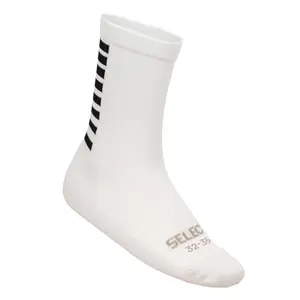
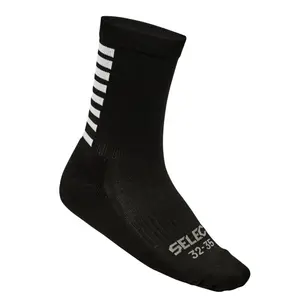
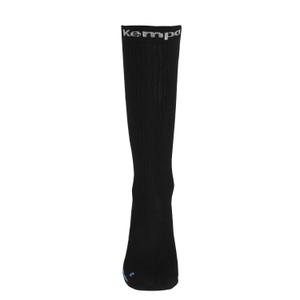
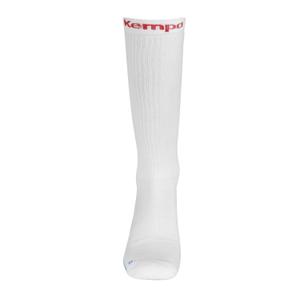
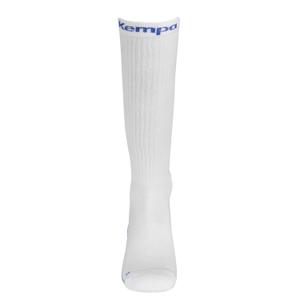
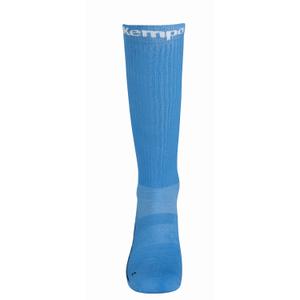
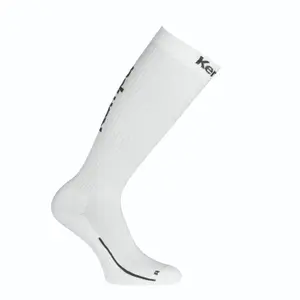
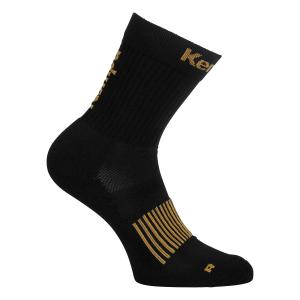
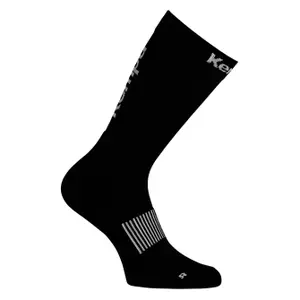
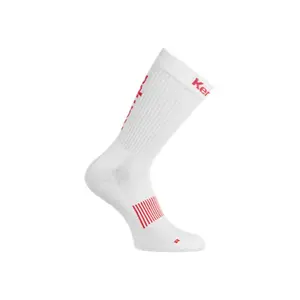
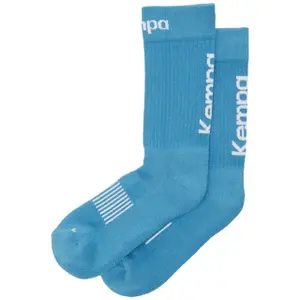
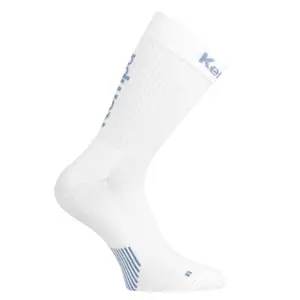
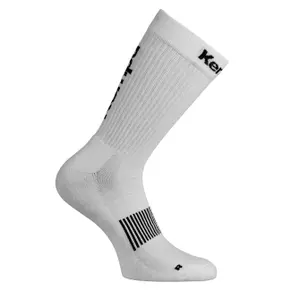
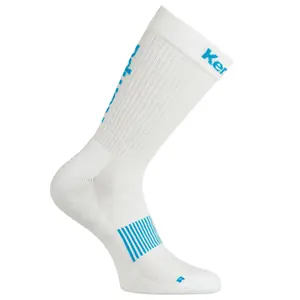
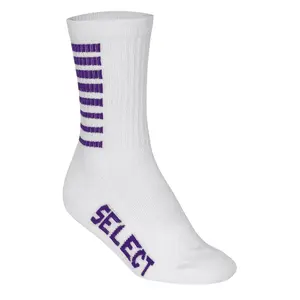
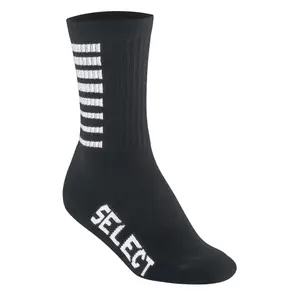
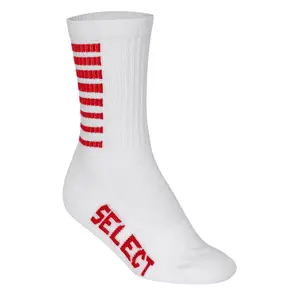
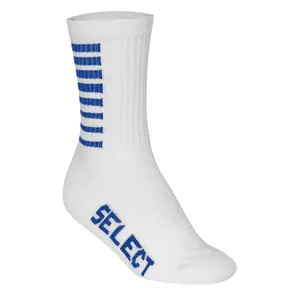
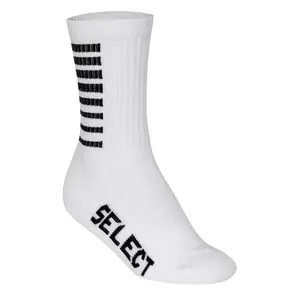
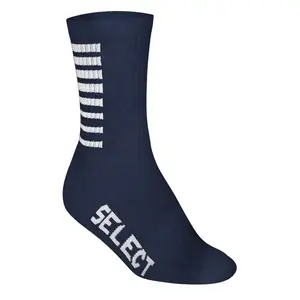
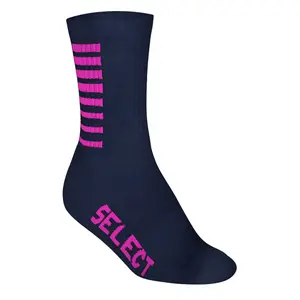
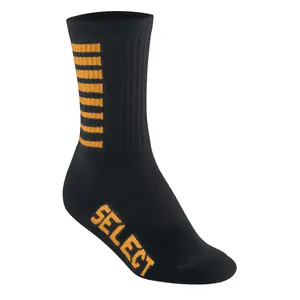
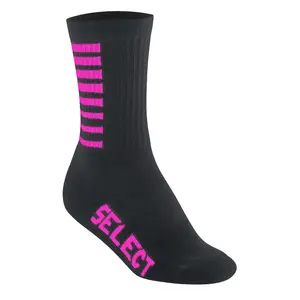
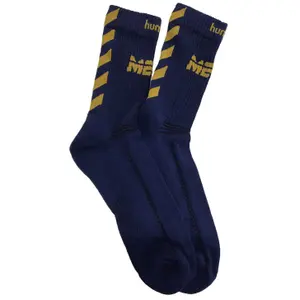
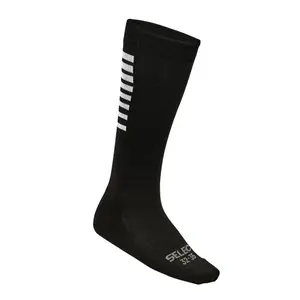
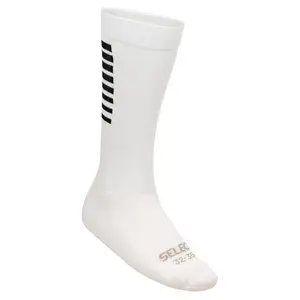
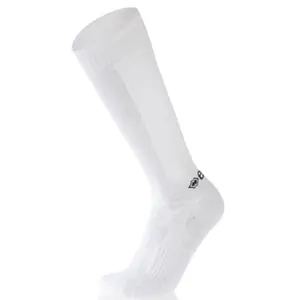
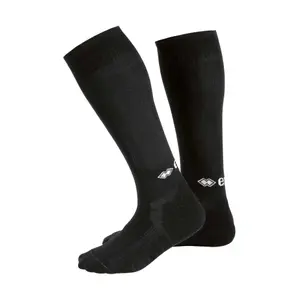

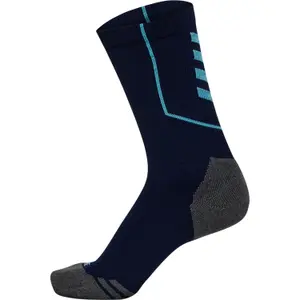
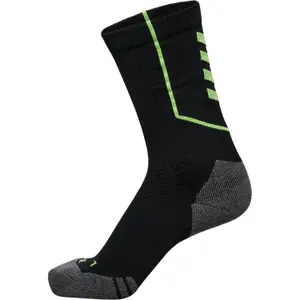
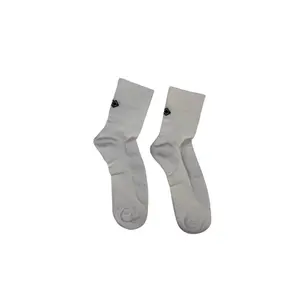
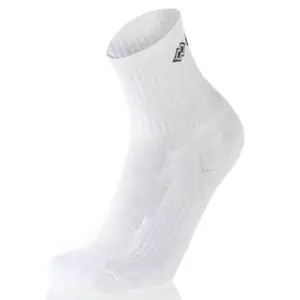
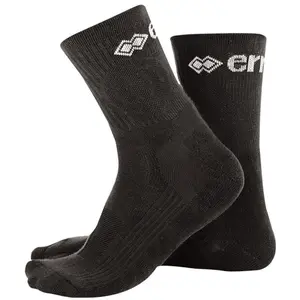
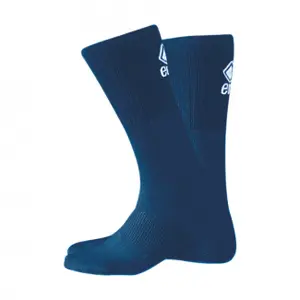
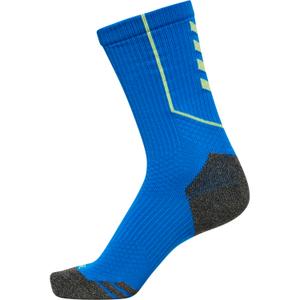
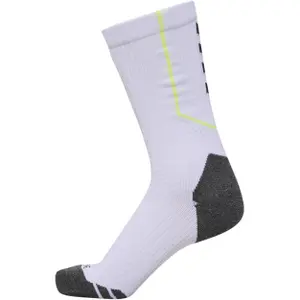
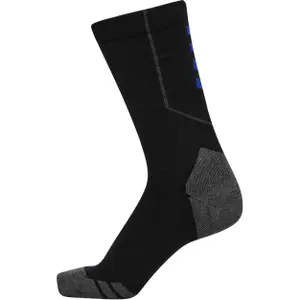
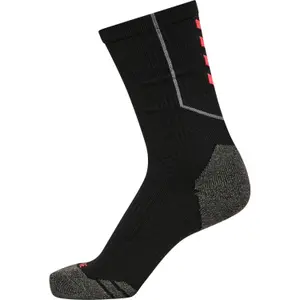
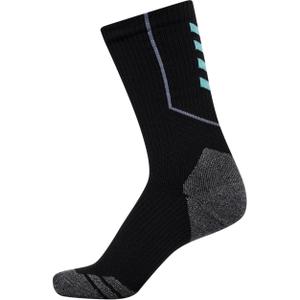

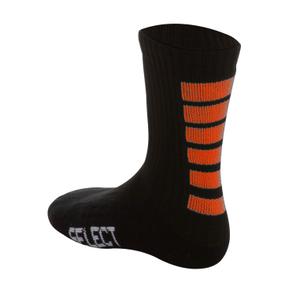
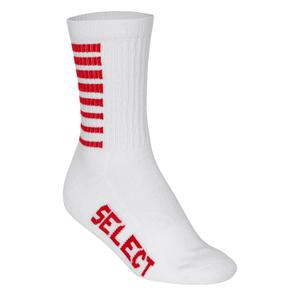
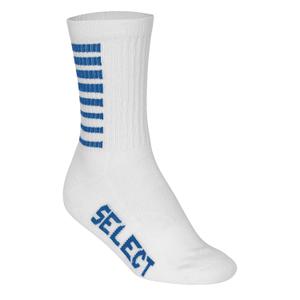
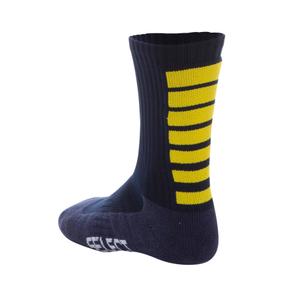
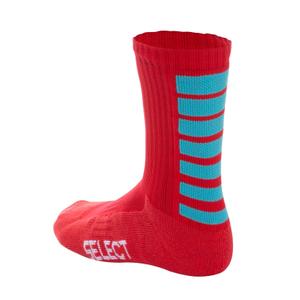
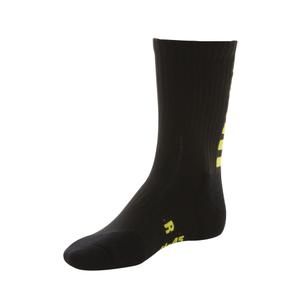
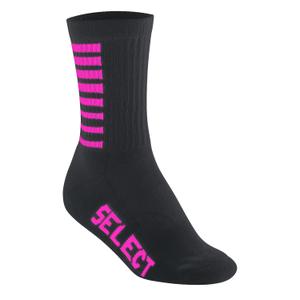
The clearance sale for handball equipment features end-of-line products to complete the player's outfit: match and training socks Kempa, Hummel, Select, Errea and Mizuno, models from the French handball federation, club socks and special editions. The gear that keeps the foot secure in the shoe during supports, jumps, and direction changes.
The foot securely held in the shoe, at a reduced price.
Handball Socks: Support and Foot Retention
A handball sock is designed for sudden foot movements: fakes, counter-attacks, and landings after a jump shot can cause the foot to slide in the shoe with every action. Technical models include padded areas under the heel and forefoot, which absorb the impact during landings, and an elastic band on the arch that keeps the sock in place. Synthetic fibres, such as polyamide or polyester mixed with elastane, wick away moisture better than cotton, which retains moisture and promotes blisters. The flat seams at the toes prevent chafing in a well-fitted indoor shoe.
Other Clearance Offers
The handball clearance also includes:
All clearance offers are gathered on the handball page.
High or Low: Length Depending on the Session
High socks, which rise just below the knee, are worn during matches with the club kit: they create a cohesive look for the team and protect the skin from abrasion on the floor during dives by wingers or contacts in the pivot position. Low or mid-high socks, like the Hummel Blaze Pro, which are cooler, are preferred for training. Long socks Select and high Kempa socks come in various colours to match the jersey. The official socks of the FFHB, branded Hummel, feature the visual identity of the French team, while the October pink edition Hummel and the Kempa models with messages add a personal touch.
Size, Washing, and Number of Pairs
Socks are sold in size ranges: you choose one that frames your shoe size, as a sock that's too big creates folds under the foot and one that's too small compresses the toes. A player who trains three times a week and plays on the weekend needs four or five pairs to always have a clean pair in their bag. For washing, turn them inside out, wash at thirty or forty degrees, without fabric softener, which clogs the technical fibres; air drying preserves elasticity better than a tumble dryer. Clubs often order socks in bulk, in the colour of the jersey, to kit out the entire team at once.
Resin, Protectors, and Bag: The Rest of the Player's Gear
Beyond socks, a handball player's gear includes resin, or glue, which enhances grip and facilitates one-handed passes and spin shots; it remains banned in certain halls and in lower categories, which is why it's important to check the club and league regulations. Knee pads protect goalkeepers and wingers who dive, and ankle supports provide support for weak ankles. A bag with a separate compartment keeps indoor shoes clean, and a specific cleaner removes resin from hands and the ball after the session.
Frequently Asked Questions
Why do handball players wear knee-high socks?
Long socks are part of the match kit and give a consistent image to the team. They also protect the skin from abrasions when sliding on the floor, which is common among wingers and goalkeepers.
How can you avoid blisters in handball?
A well-fitting technical sock, without any folds, and shoes in the correct size limit rubbing. Change socks if they're soaked, and protect sensitive areas with a second skin bandage before tournaments that involve back-to-back matches.
What colour socks should you wear in a handball match?
Field players from the same team wear identical kits, with socks matching the club's jersey and shorts. The goalkeeper, whose kit must be distinguishable from the other field players, can wear a different colour.
How long does a pair of handball socks last?
With two or three training sessions per week, a pair wears out in a few months, primarily at the heel and under the forefoot. It should be replaced when the fabric thins or the elastic no longer holds the leg, before blisters develop.
Do you need non-slip socks for handball?
Socks with non-slip grips under the sole limit foot sliding in the shoe and improve responsiveness. They're not essential: a well-fitting technical sock is sufficient for most players, especially with shoes that are the right size.






