
Handball supporter on clearance







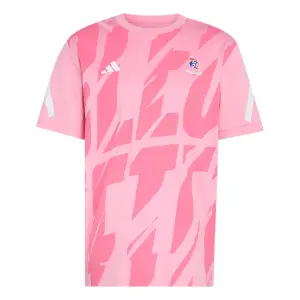
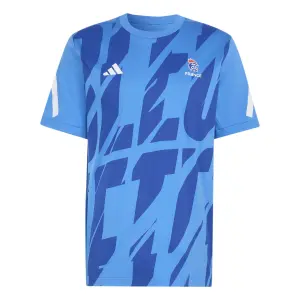
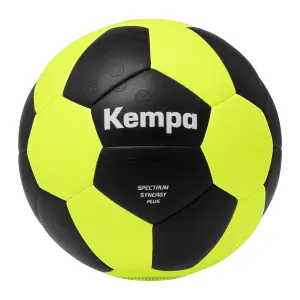


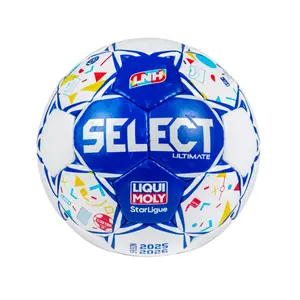
The clearance sale for handball supporters brings together end-of-line items for handball fans: supporter balls from the French men's and women's championships, the Euro, and the European Champions League, as well as balls in the colours of PSG. These balls are perfect for gifting, getting autographed, or keeping as a memento, and they can also be used for playing at the club, in the garden, or in the playground.
Balls from major competitions at reduced prices.
LNH and LFH Balls: the Colours of the French Championships
The men's French championship is run by the National Handball League, the LNH, established in 2004, and the women's championship by the Women's Handball League, the LFH, created in 2008 following the Women's World Cup held in France. Each league has its own match ball, also available in supporter versions in the same colours: the LNH Ultimate and LFH Ultimate balls feature the same design as the balls seen every weekend in the arenas. For a supporter, it's a keepsake to get signed after a match; for a player, a ball for training. Once these limited editions are gone, they don't come back.
Other Limited Editions
The handball clearance also includes:
All the limited editions can be found on the handball page.
Euro and Champions League: the Balls of European Competitions
On the continental stage, the European Handball Federation, the EHF, runs the European Championship for Nations and the Champions League for clubs. Select, a Danish brand, provides the official balls, and each edition features its own design, making them collectable items. The supporter versions of the Euro and Champions League balls reflect this design in a construction suitable for training and leisure. Since 2010, the men's Champions League concludes with a Final Four in Cologne, at the Lanxess Arena: semi-finals on Saturday, final on Sunday, in front of a packed crowd from all over Europe.
What Ball Size to Give a Young Supporter
Before giving a ball, it's important to check the suitable size for the player. According to the international federation rules, size one is suitable for girls aged eight to fourteen and for boys aged eight to twelve; size two for women, girls over fourteen, and boys aged twelve to sixteen; and size three for men and boys over sixteen. Younger players use a size zero, which is lighter. A ball that's too large makes it hard for the child to hold it with one hand and shoot correctly. For a supporter who doesn’t play, size matters less: the ball will primarily be a collector’s item.
PSG Ball and Signed Ball: How to Keep It for a Long Time
The PSG ball, in the colours of the capital's club, extends support beyond the stands: it can be played with in the park as well as displayed on a shelf. For a signed ball, choose a fine-tip permanent marker that adheres well to the synthetic surface, and allow the ink to dry before handling the ball. Kept out of direct sunlight, which fades signatures and colours, and slightly deflated to ease stress on the seams, it will maintain its appearance for years. A display case or a showcase protects it from dust and impact, enhancing the signatures of the whole team.
Frequently Asked Questions
Is the supporter version of the ball the same as the match ball?
It has the same design and colours, but its construction is simpler and less expensive than that of the official ball used by professionals. It's quite suitable for training, leisure, and collecting.
How to make a sign to cheer on your handball team?
Choose a lightweight cardboard, a reasonable size so it doesn't block the view of others, and thick letters that are readable from afar. Check the venue's rules, which may prohibit certain formats or flagpoles.
What gift to give a handball fan?
A ball in the colours of the Champions League, the Euro, or their favourite championship will please both players and supporters. For a licensed child, check the ball size for their category so they can use it as well.
How to inflate a handball?
Moisten the needle, insert it straight into the valve, and inflate to the pressure indicated on the ball, often around half a bar. If overinflated, it becomes hard to grip; if underinflated, it bounces badly on the floor.
Can a collector's ball be used for playing?
Yes, a supporter version ball is designed to be played with, both indoors and outdoors on a smooth surface. If it has signatures, it's better to reserve it for display, as friction can quickly wear away the ink.






