
Karate suits and kimonos on clearance
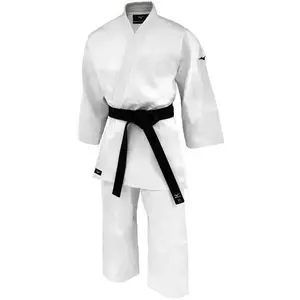
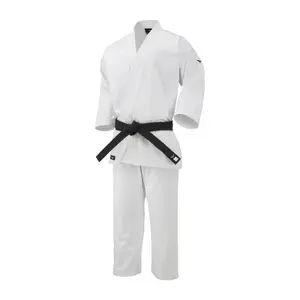
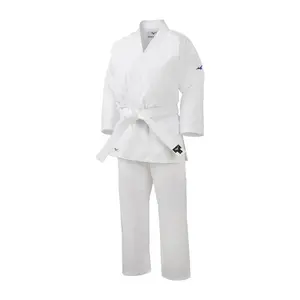
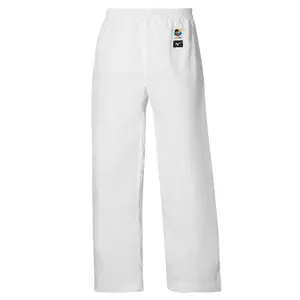
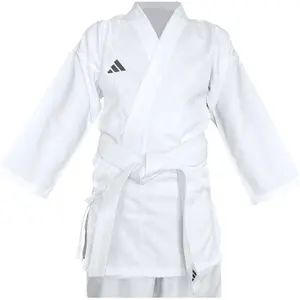
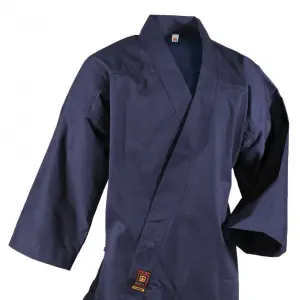
The karategis gathered here at the end of the series dress the karateka from the first class to the grading: karate kimonos Mizuno Shodan and Kiai, adidas for children, Metal Boxe for the club, and Kwon and Mizuno trousers sold separately to replace a worn-out bottom. Lightweight fabric for combat or heavy for kata, cotton or polyester blend, each karategi is chosen according to one's practice and build.
A durable outfit for the dojo, at a sweeter price.
Kata or Kumite Karategi
The karategi is chosen primarily based on the main practice. For kata, a set sequence of techniques against imaginary opponents, experienced karateka prefer a heavy, stiff fabric, weighing between twelve to sixteen ounces, which maintains its shape and snaps with each technique, emphasizing the power of the move before the judges. For kumite, the sparring, a light and flexible fabric, around eight ounces, allows arms and legs to move quicker and breathes better during exchanges. Beginners and children start with a lighter fabric, which is more comfortable and easier to wash; the heavier karategi comes with regular kata practice and grade advancements.
Other End-of-Range Items
The karate and taekwondo clearance also includes:
- Belts.
- Gloves.
- Protectors, shin guards, foot guards, and helmets.
All end-of-range items are gathered on the karate and taekwondo page.
Cotton or Polyester Blend: The Fabric of the Karategi
Pure cotton, the traditional karate fabric, absorbs sweat and becomes more durable over time, but it shrinks on the first wash and creases. The polyester and cotton blend, like on the Mizuno Kiai, dries faster, shrinks little, and hardly needs ironing: a practical choice for training several times a week or for dressing a child. The weight of the fabric is expressed in ounces per square yard: the Kwon Traditional pants, made from eight ounce fabric, are designed for regular training. On a club karategi, the strength of the seams at the shoulders and crotch, the most stressed areas from high kicks, should also be checked.
Sleeve and Trouser Length: The Competition Rule
The rules of the World Karate Federation set the cut of the karategi in competitions. The sleeves of the jacket must not extend beyond the wrist crease or stop before the midpoint of the forearm. For the trousers, the leg must cover at least two thirds of the shin and stop above the ankle bone. The jacket, secured by the belt, must cover the hips. In official competitions, the karategi is white, without stripes or colored patterns except for the permitted markings, and only approved models are allowed at international levels. In clubs, these guidelines remain useful: overly long sleeves hinder blocking, and trousers that drag can cause trips during movements.
Size and Care of a Karategi
Karategis are sized according to height, in centimetres. For an adult between two sizes, fabric makes a difference: for pure cotton, take the larger size, as it loses a few centimetres on the first wash; for a polyester blend, the exact size is sufficient. For a child, one size up, with sleeves and hems slightly rolled up in the first months, accommodates a year of growth. The karategi should be washed at thirty degrees, inside out, without bleach, which can yellow white cotton over time, and avoid the tumble dryer. To keep it bright white, dry it away from direct sunlight and iron it while still slightly damp, which restores the heavy fabric’s impeccable look in kata.
Frequently Asked Questions
Kimono or Karategi: Which Word to Use?
Karategi specifically refers to the karate outfit, with gi meaning clothing in Japanese. In France, the word kimono is commonly used for all martial arts outfits, but in the dojo, people tend to say karategi or simply gi.
How to Fold Your Karategi?
Lay the jacket flat, place the folded trousers in the centre, then fold the sleeves and the jacket's sides over. Roll or fold it all in three, and the belt tied around keeps it tidy in the bag.
What Karategi for a Grade Promotion?
For a grade promotion, wear a clean, pressed white karategi, with sleeves and trousers at the right length. Candidates for higher grades, who present kata, often choose a heavier fabric that better highlights the techniques.
How to Tie a Karategi Jacket?
First, tie the inner cords of the right side, then fold the left side over and tie the outer cords, if available. The belt, tightened at the waist, then keeps the jacket closed during the training.
Are There Karategis for Larger Sizes?
Yes, most models are available up to two metres tall, some even beyond. For a sturdy build, check the chest width indicated by the brand, as a jacket too tight opens with each technique and hinders shoulder movements.






