
Karate and taekwondo protection gear on clearance
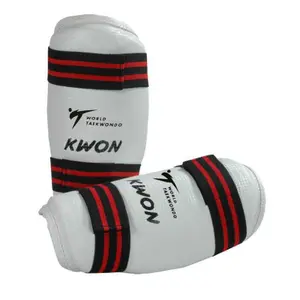
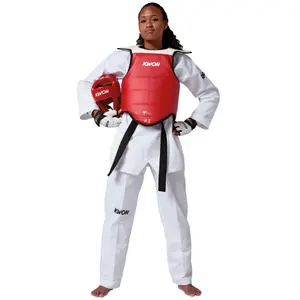
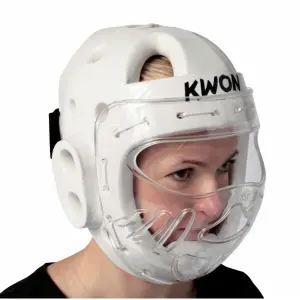
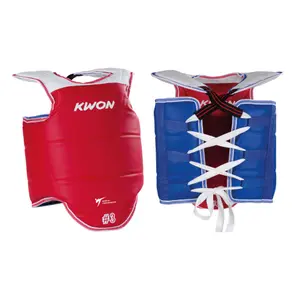
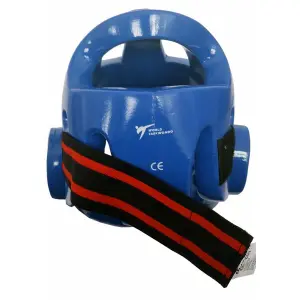
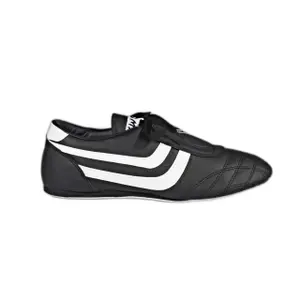
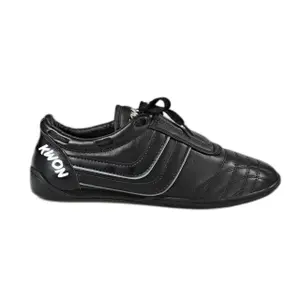
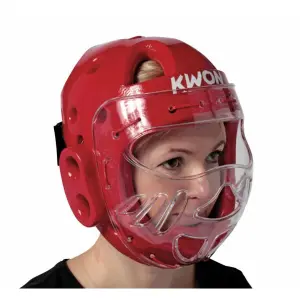
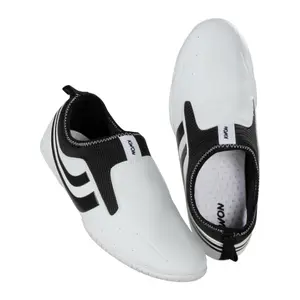
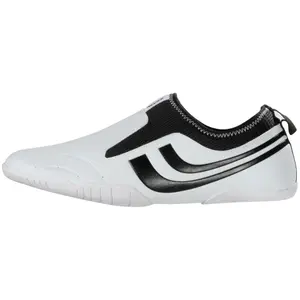

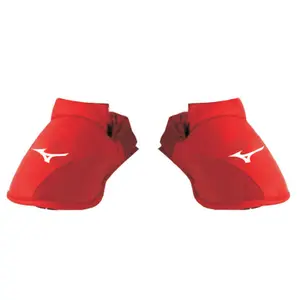
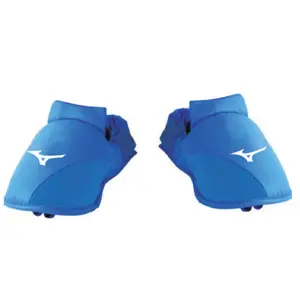
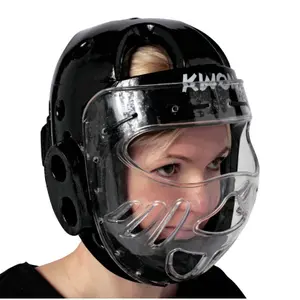
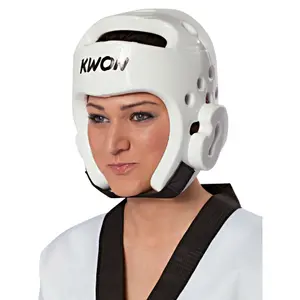
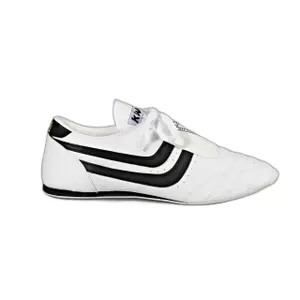
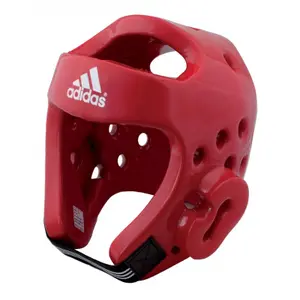
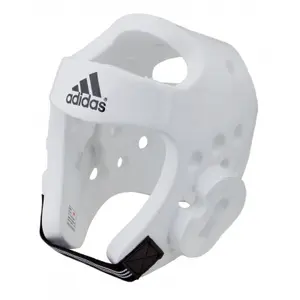
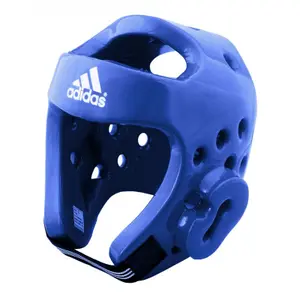
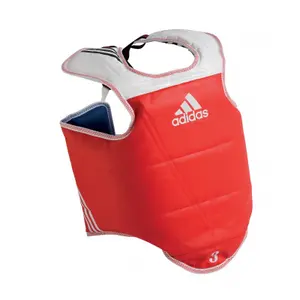
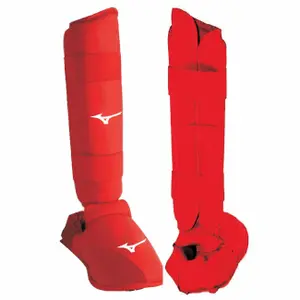
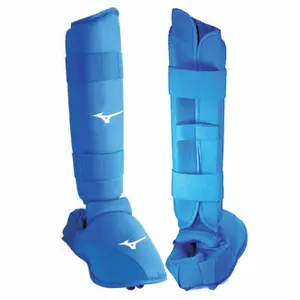
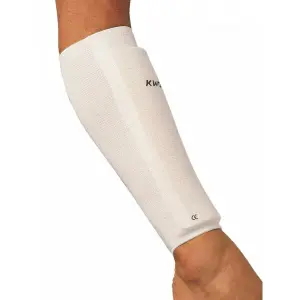
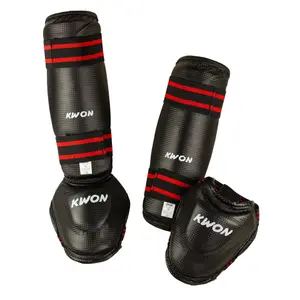
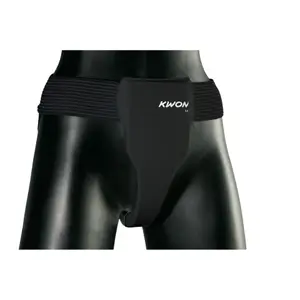
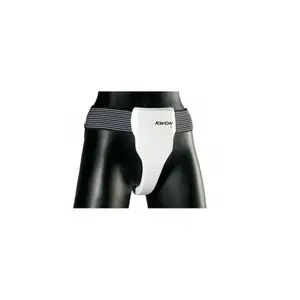
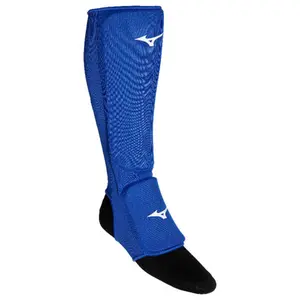
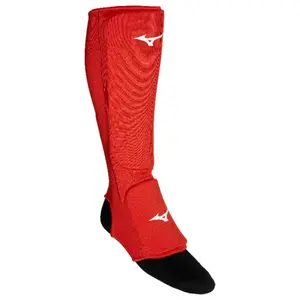
The clearance sale for karate and taekwondo protections brings together end-of-line products to fight safely: chest protectors and body protectors Kwon and adidas, taekwondo helmets Kwon and adidas with or without visors, shin guards and foot guards Mizuno, Kwon and Montana, forearm protectors Kwon, hand protectors, women's groin guards adidas and Kwon, and knee protectors Danrho, in adult and children's sizes.
Protect yourself in combat, at a reduced price.
Kumite in karate: WKF approved protections
In kumite, the fighting aspect of karate, the World Karate Federation, the WKF, requires approved protections: red or blue mitts depending on the competitor’s side, shin guards and foot protectors of the same colour, a mouthguard, and a body protector worn under the jacket. Female competitors also add a chest protector, like the adidas padded bra; the groin cup is not mandatory but must be approved if worn. The Mizuno Shin Instep protectors, which cover the shin and instep in one piece, are suitable for this use during training. These end-of-line items are not restocked.
Other end-of-line items
The clearance for karate and taekwondo also includes:
All the end-of-line items are gathered on the karate and taekwondo page.
Chest protector and taekwondo helmet: the hogu and head
In taekwondo, kicks to the torso and head score points: the chest protector, called hogu, protects the ribs and abdomen, often reversible red and blue during training, like the Kwon Korean-style chest protector. In international competitions, World Taekwondo uses electronic chest protectors that detect touches through sensors placed in the socks; they made their Olympic debut at the London Games in 2012. The helmet covers the skull, temples, and ears: the Kwon visored models, like the KSL, also protect the face, ideal for children and beginners in sparring, while the adidas helmet mimics the shape of competition models.
Forearm, shin, and foot guards: absorbing blocks and strikes
The forearm guard absorbs blocks, a fundamental action in both taekwondo and karate, where the forearm takes a full force circular kick. The Kwon WT Evolution, designed for taekwondo, along with the Kwon fabric model and the child version, covers the forearm bone and often the elbow. The shin guards Kwon and Montana, made of foam under a textile cover, fit under the dobok pants. The foot guards for taekwondo, made of padded elastic fabric on top, leave the sole bare to pivot on the mat. The Kwon hand protectors, without a thumb loop, protect the knuckles during punches.
Children and female practitioners: sizes and fitting
A protection is only effective if it stays in place during sparring. For children, the chest protector is chosen according to their stature: it covers the torso from the top of the chest to the hips, without extending onto the thighs, which must remain free for kicking. The helmet is chosen based on head circumference, measured above the eyebrows. Female practitioners have women’s groin cups, such as those from adidas and Kwon, which are flatter than the male models, and rigid shell chest protectors. The knee guard Danrho, finally, protects the knee during falls and ground movements, especially in self-defence.
Frequently asked questions
What protections should I buy for a child starting karate?
For the first fights, make sure to have mitts, a mouthguard, and shin and foot protectors, in addition to a body protector according to their age. The instructor often provides the exact list and the colours required by the club.
Can the same protections be used for karate and taekwondo?
Only partially: mouthguards, forearm guards, and groin cups are used in both disciplines. The karate mitts, chest protector, and helmet specific to taekwondo remain unique to each sport and its competition rules.
How do I wash fabric foot protectors?
Most can be machine washed at thirty degrees, in a laundry bag, without fabric softener. Dry them in the open air, away from direct sunlight, so the foams retain their shape and cushioning ability.
How long does a taekwondo chest protector last?
A training chest protector can last several seasons if it dries in the air after each session. It should be replaced when the foam compresses, when the fastenings loosen, or when blows can be felt through the protection.
How do I choose the size of shin guards?
Measure the leg from below the knee to the instep: the shin guard should cover this entire length without hindering the bending of the knee. If it's too short, it leaves the bone exposed; if too long, it hits the ankle.






