
Outdoor equipment for the French Days
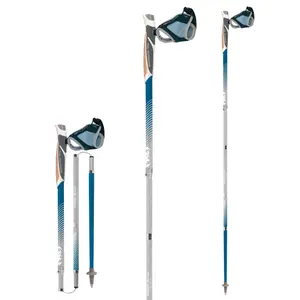
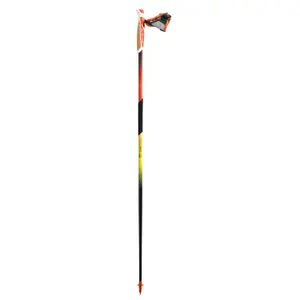
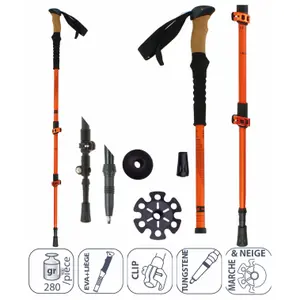
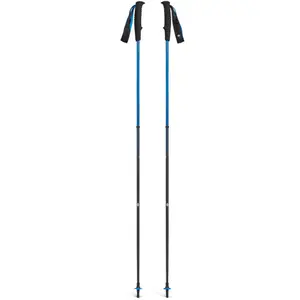
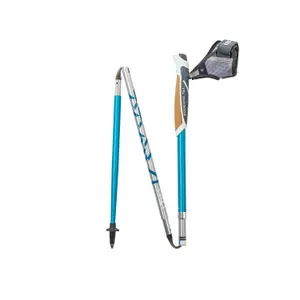
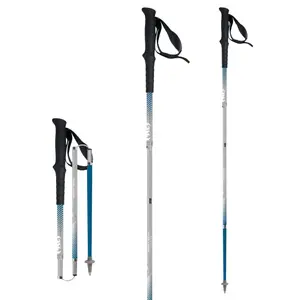
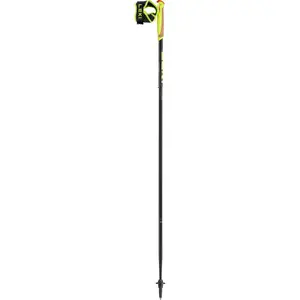
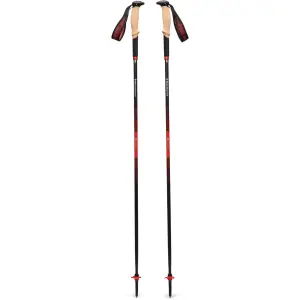
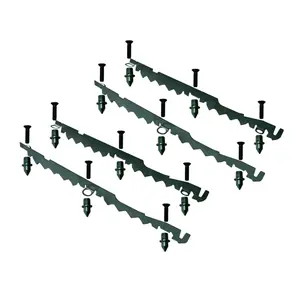
The selection of Outdoor Equipment from the French Days outfits campers, hikers, and climbers: Snow Peak dishes, water bottles and cups from Stanley and Klean Kanteen, a filtering jerrycan from Lifesaver, batteries from Black Diamond and Pulsard, trail poles from Leki, carabiners and harnesses from Kong, a camping bed from Regatta, binoculars, a spotting scope from Vanguard, and waterproof cases from Nanuk. Durable gear for going far from power outlets.
Well-equipped for wild camping, at a discounted price.
The Snow Peak Titanium Cookware
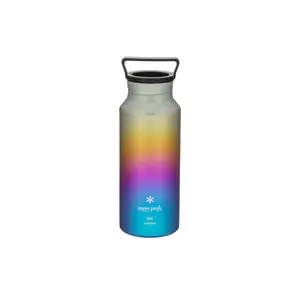
Snow Peak began in 1958 in Sanjō, Niigata Prefecture, a Japanese area known for metalworking, when Yukio Yamai opened a forge and started making mountaineering gear. The brand later made a name for itself in camping with its titanium cookware, a metal that is as strong as steel but much lighter, rust-resistant and doesn’t impart any taste to food. The Shimo cup and plates in the Trek range stack to save space. A single-wall titanium container can be placed directly on the stove, provided it is never heated empty, as this would cause deformation.
The Rest of the Gear
The French Days outdoor section also includes:
All offers are gathered on the outdoor page.
Making Water Drinkable with the Lifesaver Jerrycan
The Lifesaver jerrycan filters water from a river, lake, or cistern as you pour it. Its ultrafiltration cartridge captures particles down to fifteen nanometers, a fineness that stops bacteria, cysts, parasites and even viruses, whereas a regular filter would let these pass through. With a capacity of ten and a half litres, it is suitable for family camping, vans, or trips where drinkable water isn't available. The cartridge treats up to twenty thousand litres before needing replacement. The filter does not remove dissolved chemicals: therefore, it is best to avoid sourcing water near treated fields or industrial areas.
Leki Poles, Carabiners and Kong Harnesses
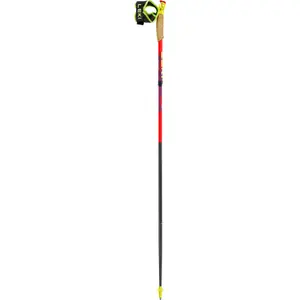
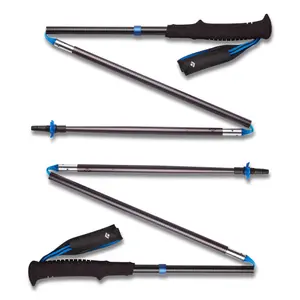
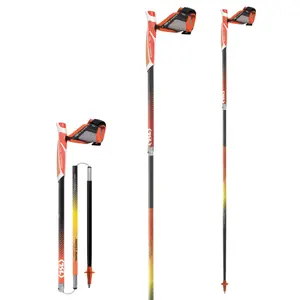
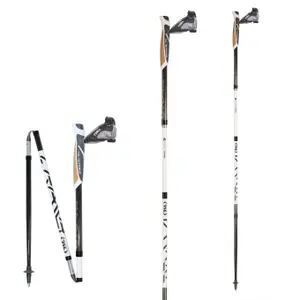
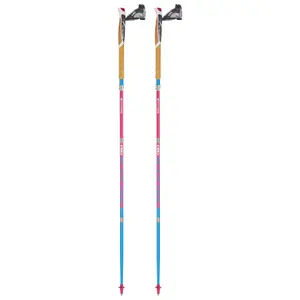
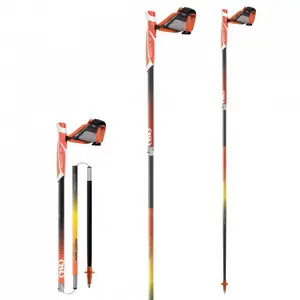
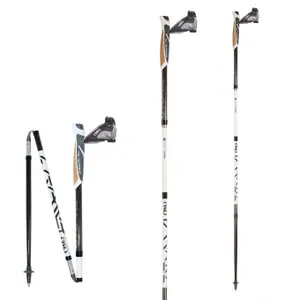
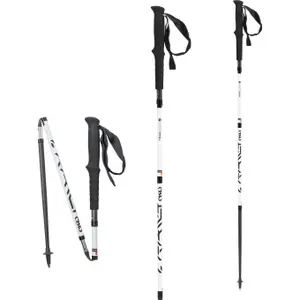
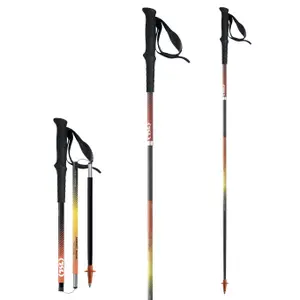
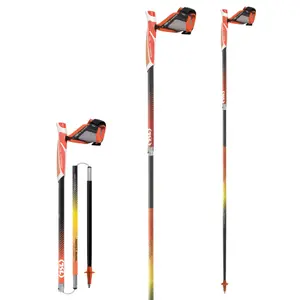
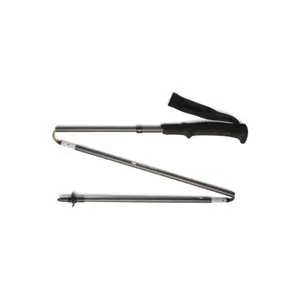
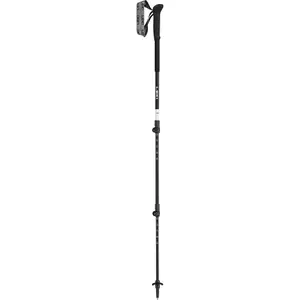
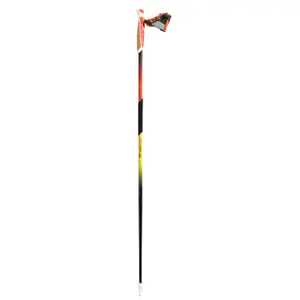
Leki started in 1948 as a small carpentry workshop founded by Karl and Gertrud Lenhart in Baden-Württemberg, before becoming a leader in ski and hiking poles. Its trail poles Evotrail and Ultratrail fold into multiple segments to fit in a vest, and the clip-on strap frees your hand with one movement; they relieve the knees on descents. Kong comes from the workshop established in 1830 by Giuseppe Bonaiti in Lecco, by Lake Como: its carabiners and thigh harnesses are used for climbing routes and via ferrata. A climbing carabiner is recognised by its strength, marked on the body in kilonewtons.
Power and Observation: Batteries, Binoculars, and Nanuk Cases
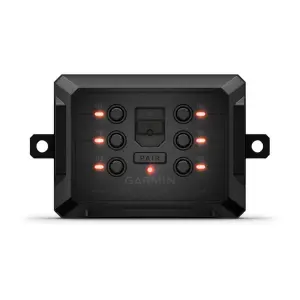
Far from outlets, power needs planning: the rechargeable Black Diamond battery replaces the batteries in the brand's headlamp, and the Black Diamond and Pulsard chargers recharge it between outings. In cold weather, keep batteries warm against your body or in your sleeping bag, as cold reduces their capacity. To observe chamois and raptors, the binoculars Regatta fit in a pocket, while the more powerful Vanguard Endeavor spotting scope can be mounted on a tripod to scan a cliff or a lake. The waterproof cases Nanuk, a Canadian brand, protect this fragile equipment; their pre-cut foam inserts and lid organisers secure cameras and lenses.
Frequently Asked Questions
How to adjust the height of hiking poles?
On flat ground, the elbow should form a right angle when holding the grip, with the tip resting on the ground. When going uphill, shorten the poles by a few centimetres; when going downhill, lengthen them to relieve the knees and keep the torso upright.
Can you drink water from a mountain torrent without treating it?
Even clear, water from a torrent may contain bacteria or parasites from herds and wildlife. Filter it, boil it, or treat it with tablets before drinking, particularly below the alpine pastures.
What’s the difference between a climbing carabiner and a keychain carabiner?
A climbing carabiner is tested and certified to catch a fall. A keychain carabiner, without certification, is only meant to hang a water bottle or keys and should never be used for securing, even on an easy path.
How to choose binoculars for hiking?
Two numbers describe them: the magnification, often eight or ten times, and the diameter of the lenses in millimetres. A magnification of eight times remains stable in hand, and medium-sized lenses keep the binoculars light enough for walking.
Is a camp bed more comfortable than a mattress on the ground?
The camp bed, like Regatta's, insulates from the cold and damp ground and keeps stones from digging into your back. Bulkier, it takes up space in the car and under the tent: it is better suited for family camping than for long-distance trekking.






