
Hiking shoes for the French Days


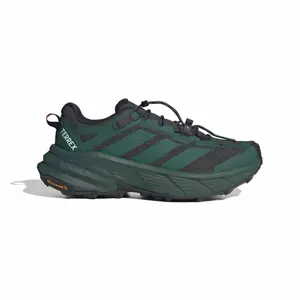


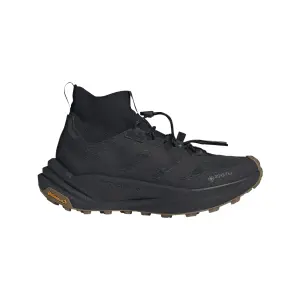
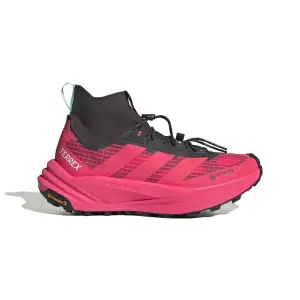


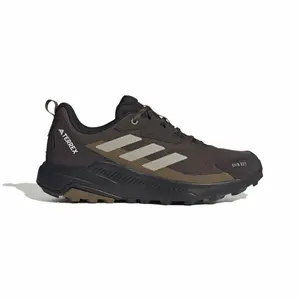




Starting at £183.44
£125.49
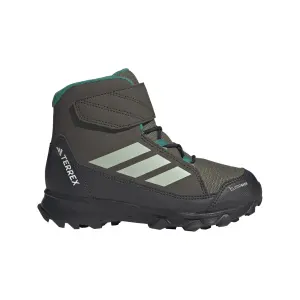
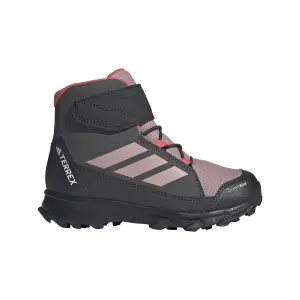
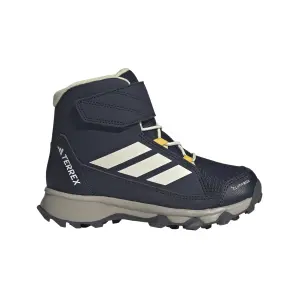


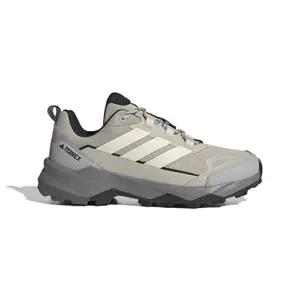


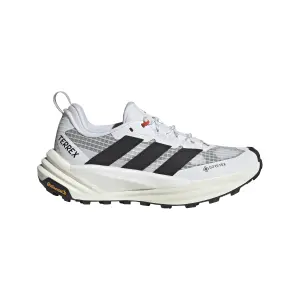
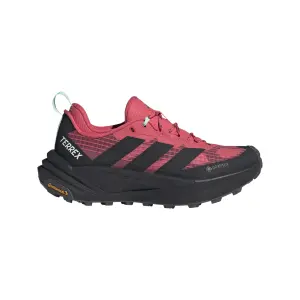
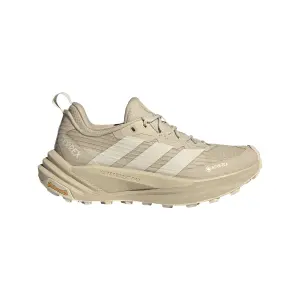
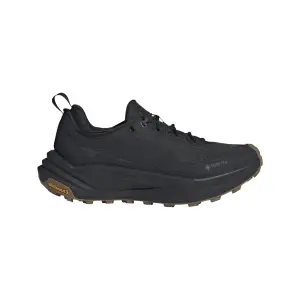
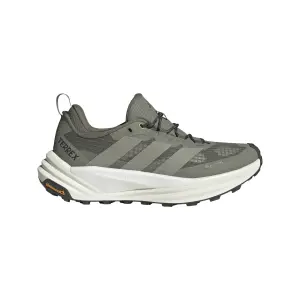
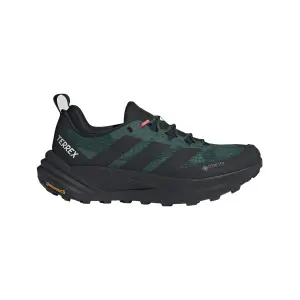
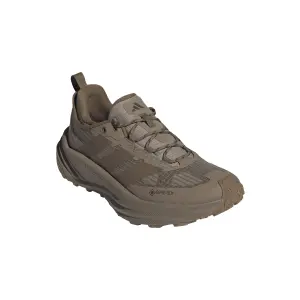
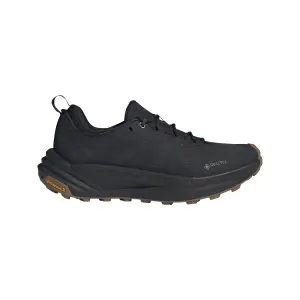
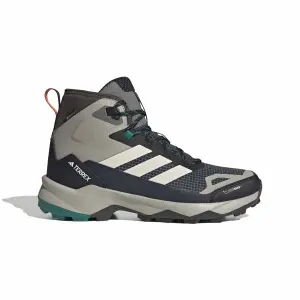
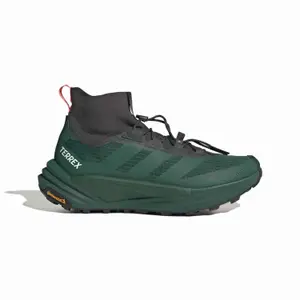
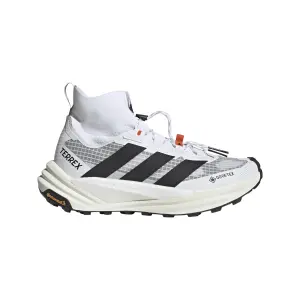
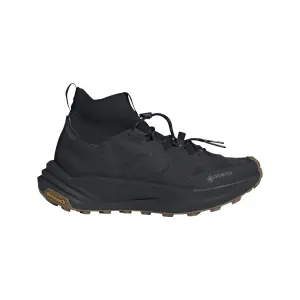
The hiking shoes selection from the French Days features models for both day trips and mountain trails: adidas Terrex Free Hiker, Eastrail and Anylander, Trezeta Fitzroy, in low or mid-cut versions, waterproof or breathable. Everything you need to get ready for spring and autumn outings with a pair suited to your terrain.
Get ready for your spring and autumn hikes at a discounted price.
Low, mid or high cut: which support
The height of the shoe is chosen based on the terrain and the weight of the bag. A low shoe, like the adidas Terrex Eastrail or the Anylander in their low versions, is light and flexible, suitable for marked trails and day hikes with a small bag. A mid-cut shoe, like the Terrex Free Hiker, wraps around the ankle and protects it from impacts against stones, which is an advantage on rocky paths and when going downhill. High-cut shoes, which are stiffer, are necessary for trekking with a heavy bag or very rugged terrain, such as the GR20 in Corsica. The taller the shoe, the heavier it is: this compromise is adjusted to individual use.
The rest of the gear
The French Days outdoor also include:
- Trail Shoes.
- Men's Clothing, jackets, fleeces and shorts.
- Women's Clothing.
- Luggage, backpacks.
- Equipment, poles, water filters and batteries.
All offers are compiled on the outdoor page.
Gore-Tex membrane or breathable shoe
The Gore-Tex membrane, placed between the upper and the lining, features pores that are too small to allow liquid water through but large enough to let moisture vapor escape. It keeps the foot dry in dew, during downpours and when crossing streams: the Terrex Free Hiker GTX or the waterproof Eastrail are equipped with it, just like the Trezeta Fitzroy waterproof from the Italian brand. However, it breathes less well than a mesh upper: in hot weather, a shoe without a membrane, which is more airy, reduces sweating. The Terrex Boat Climacool, which is very open, even lets water flow out, which is handy for hikes by the water.
Sole and grip on slippery terrain
The outer sole determines grip on rocks, mud and wet roots. On most Terrex shoes, adidas uses a Continental rubber, coming from the expertise of a tire manufacturer, known for its grip on dry as well as wet ground. The Terrex Anylander Traxion relies on multidirectional lugs that bite into the ground when climbing and slow down when descending. The midsole absorbs impact: the Free Hiker was the first adidas hiking shoe to feature Boost foam, originally from running. Before buying, check the depth of the lugs: the more defined and spaced they are, the better they shed mud.
Size and lacing for ascending and descending
When hiking, the foot swells over time and slides forward in the shoe when going downhill: choose a size that leaves about a finger's width between the heel and the back of the shoe, with the foot pushed forward. Try them on at the end of the day, in conditions close to walking. A differentiated lacing adjusts the support: tight on the midfoot and secured with a knot on the last hooks before going downhill, to prevent the toes from hitting; looser at the top for ascending, to allow ankle flex. A new pair should be broken in on a few short hikes before a long trek.
Frequently asked questions
What hiking shoes are best for wide feet?
Look for a wide fit at the forefoot and a flexible upper, and try them on at the end of the day. Some models come in wide versions; otherwise, a looser lacing at the forefoot and half a size up can relieve the toes.
What hiking shoe for Réunion?
The hiking trails in Réunion alternate between abrasive volcanic rock, mud and high humidity: choose a high shoe, with a very grippy and robust sole, preferably waterproof. The cirques like Mafate require long descents, where ankle support is crucial.
How to clean hiking shoes?
After your hike, remove mud with a brush and clear water, including the soles, and then leave them to dry in the open air, away from fire and radiators. A suitable waterproofing spray for leather or fabric, applied on clean shoes, extends the membrane's effectiveness.
How to prevent blisters when hiking?
A properly fitting shoe, broken in before the hike and well laced, minimizes friction. As soon as a spot starts to heat up, stop to protect it with a second-skin bandage, before a blister can form.
How long does a pair of hiking shoes last?
A well-maintained pair lasts several seasons of regular use, depending on the terrain and the weight of the hiker. Replace them when the lugs become smooth, when the cushioning compresses, or when the membrane starts to let water through.






