
Trail Shoes for the French Days


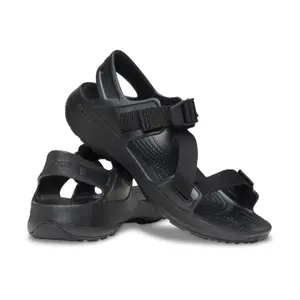

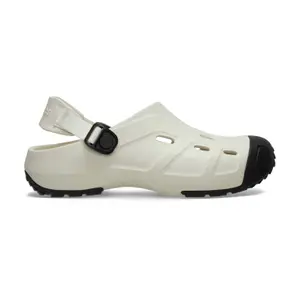
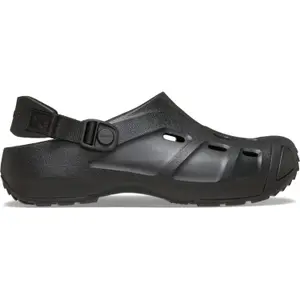


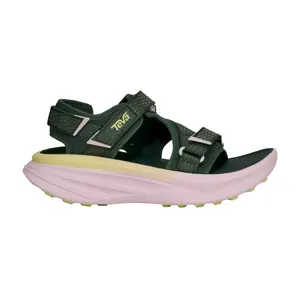
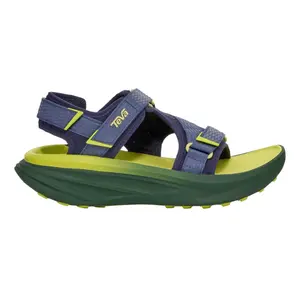


The trail shoes selection of the French Days includes models for every terrain and distance: adidas Terrex Agravic and Tracefinder, La Sportiva Mutant, Saucony Xodus Ultra, Altra Olympus, Asics Trabuco, Salming Rival and Rossignol Vezor, for men and women. Grip, cushioning, drop and protection set them apart, from smooth trails to ultra mountain running.
Get equipped for the trail season at reduced prices.
Studs and rubber: what provides grip
The outsole determines the grip. Five-millimetre or larger studs, spaced to shed mud, dig into soft ground and grassy slopes; shorter, closer studs offer more stability and performance on dry paths. The rubber is as important as the tread pattern: most adidas Terrex shoes come with a Continental rubber outsole, known for its grip on wet rock, while the Altra Olympus features a Vibram Megagrip sole. During the French Days, it's better to base your choice of sole on the terrain you usually run on rather than the most fashionable model.
Other outdoor offers
The outdoor French Days also include:
- Hiking shoes.
- Men's clothing.
- Women's clothing.
- Luggage, hydration vests.
- Equipment.
All offers are gathered on the outdoor page.
Cushioning, drop and protection based on distance
The longer the run, the more valuable cushioning becomes. The Saucony Xodus Ultra and the Asics Trabuco feature a thick midsole that protects from stones and saves your legs on long distances. The Altra Olympus takes this logic further with maximum cushioning and a zero drop, with heel and forefoot at the same height, on a wide shape that allows the toes to spread out. The La Sportiva Mutant, with its integrated sock-like tongue and aggressive studs, is aimed at more technical and muddy mountain trails. A protective plate, included in some models, prevents bruising under the arch on rocky paths.
Terrex Agravic and Tracefinder: two uses at adidas
At adidas, the Terrex range clearly separates uses. The Agravic shoes are designed for mountain running and come in SL, Lite or TT versions depending on the weight and pace desired, providing precise support during descents. The Tracefinder, more accessible, is aimed at runners who are starting out or alternating between tarmac and trails, featuring comfortable cushioning and moderate studs; its Climaproof version adds a water-repellent upper for damp mornings, and the Lightmotion version uses a softer foam. The women's models adapt these shoes to a snug fit, narrower at the heel, to better support the foot on slopes.
Size, lacing and cleaning after the run
While going downhill, the foot moves forward in the shoe: it's advisable to go for a half size to a whole size larger than your city shoes, while ensuring that the heel stays locked in place. The lacing with the heel loop, using the last eyelet, limits this sliding on long descents. Wide feet fit comfortably in the Altra Olympus, while narrow feet benefit from a snug fit like that of the Mutant. After a muddy outing, let the mud dry before brushing it off, then rinse with cold water and let the shoe air dry, removing the insole and keeping it away from any heat source that could peel off the rubber.
Frequently asked questions
What trail shoe for a weak ankle?
Opt for a wide and stable sole, moderate cushioning that keeps the foot close to the ground, and a rigid heel counter. Models that are very high on thick foam increase the risk of twisting on rough terrain.
What trail shoe for the GR20?
On the GR20 in Corsica, the rocky terrain and steep gradients demand a very grippy sole, good protection for the forefoot, and durable cushioning. Those travelling light often choose a robust trail shoe rather than a hiking boot.
Waterproof trail shoe or not?
A waterproof membrane keeps the foot dry in dew and shallow puddles, but is less breathable and dries slowly if water enters through the top. In summer and on routes with fords, a non-lined shoe that sheds water is often preferable.
Can you run on the road with trail shoes?
Yes, for short distances, but the studs wear out quickly on asphalt and the feel is less fluid. To alternate between tarmac and trails, a hybrid model with short studs remains the best compromise.
What trail shoe for a heavy runner?
Choose a thick and dense cushioning that doesn't compress under weight, and a wide sole for stability. Models designed for ultra running are better suited than lightweight short-distance shoes, which compress too quickly.






