
Outdoor luggage for French Days


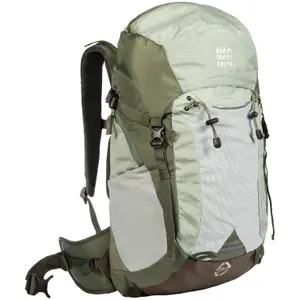
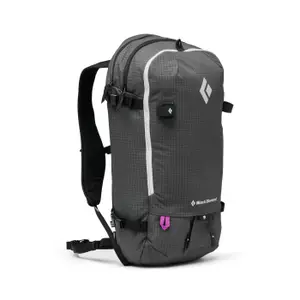
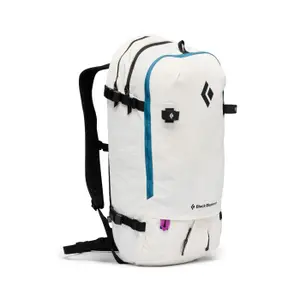
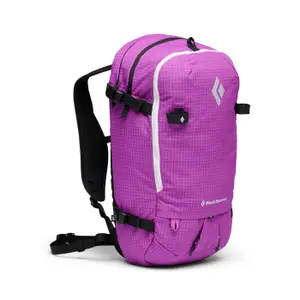
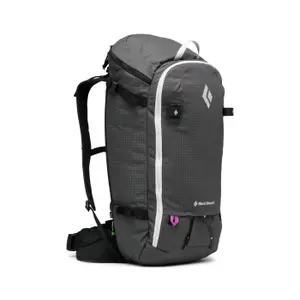
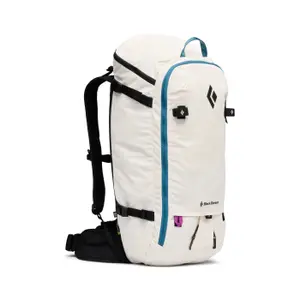


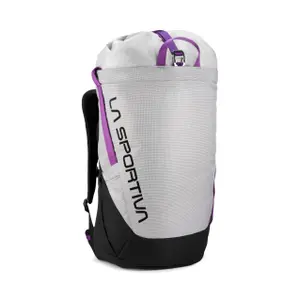
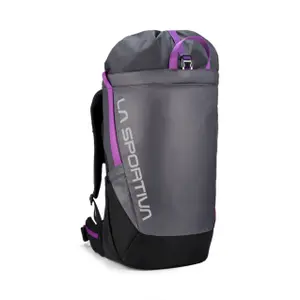


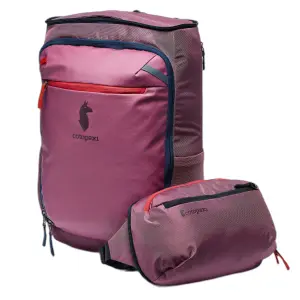


The French Days outdoor event features a selection of luggage for walking and travelling: day hiking backpacks, trek bags for refuge or self-sufficient trekking, travel bags, and carrying accessories. Volume, ventilated back, waist belt, rain cover: each model is designed for a certain duration of outing and a way to carry your load.
The right bag for every outing, at a reduced price.
Twenty, forty or sixty litres: what volume for which outing
The volume of a backpack is measured in litres and is chosen based on the length of the trip and the equipment to take. A day hike fits in twenty to thirty litres: water, food, rain jacket, warm layer, and first aid kit. For staying in a refuge, where the sleeping arrangements are provided, thirty-five to fifty litres accommodate several days' worth of spare clothes. When camping independently, carrying the tent, sleeping bag, and stove, you'll need fifty litres or more. It's better to choose the volume that's just right: a backpack that's too big invites you to carry unnecessary items and weighs more when empty.
The rest of the equipment
The French Days outdoor range also includes:
All offers are gathered on the outdoor page.
Ventilated back or flat back: two carrying philosophies
The ventilated back holds a mesh fabric a few centimetres away from the back, supported by a frame: air circulates between the backpack and the body, limiting sweating during sunny climbs. However, this makes the load sit slightly away from the centre of gravity. The flat back, padded with foam, hugs the backpack to the body: it's more stable and suits larger volumes and technical terrain where balance is key. For a summer day hike, the ventilated back offers real comfort; for a heavily loaded trek, the flat back better supports the load on the hips.
Back length and strap adjustment
A trekking backpack is also chosen based on its back length, measured from the protruding vertebra to the base of the neck to the top of the hips. Many models come with an adjustable back, useful when the backpack is passed from one hiker to another. The adjustment follows a specific order: first tighten the hip belt on the iliac crests, which should bear most of the weight; then adjust the shoulder straps and the load lifters above the shoulders to bring the top of the backpack closer to the back. The chest strap, fastened without too much tightness, stabilises the whole setup. Women’s models have a shorter back and contoured shoulder straps.
Travel bag or travel backpack
For long trips, the travel bag and the travel backpack cater to two different needs. The first, which opens along its length, can be easily stored in a trunk or hold and gives access to all your belongings at a glance; its handles and shoulder strap are sufficient for short distances. The second leaves your hands free at train stations, on stairs, and on paths, and often opens like a suitcase thanks to a peripheral zip. If flying with cabin luggage, check the dimensions required by the airline, which vary from one to another, before choosing your model.
Frequently asked questions
How to protect the contents of your backpack from rain?
A rain cover, usually stored in the bottom of the backpack, covers the outside during downpours. For full protection, also keep your sleeping bag and dry clothes in waterproof bags, as water can eventually seep through the back.
Water bladder or bottle: what to choose for hiking?
The water bladder, slipped into the backpack with a hose, allows for regular sipping without needing to stop. A bottle is easier to fill and clean; many hikers combine the two on long outings.
How to attach walking poles to a backpack?
Most bags have loops at the bottom and compression straps on the side or front. With the points facing down and protected by their tips, the poles slide into the loop and are then secured by the top strap.
How to wash a hiking backpack?
Empty it, brush off the dust, then wash it by hand in warm soapy water, avoiding machines that can damage the foam and coatings. Leave it to dry open, upside down, in the shade.
How to distribute weight in your backpack?
Place the sleeping bag at the bottom, heavy items in the centre and against the back, then lighter items on top. Keep essentials within reach, in the lid and pockets, like map, snacks, flashlight, and windbreaker.






