
Sneakers Mizuno from the French Days

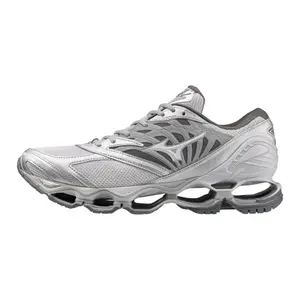


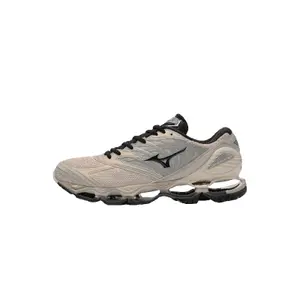
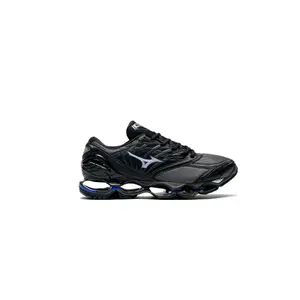


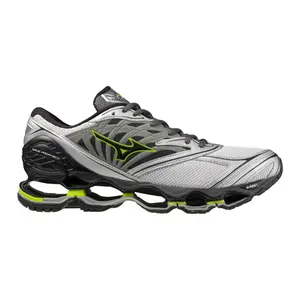
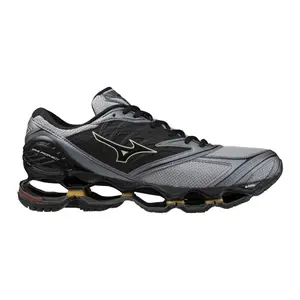


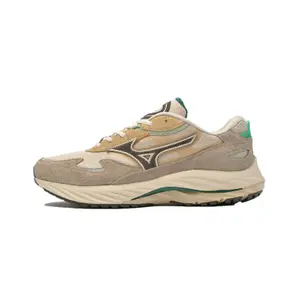


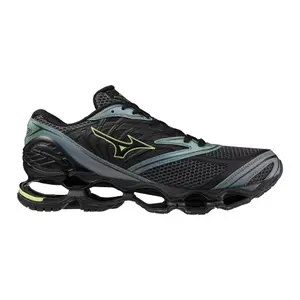
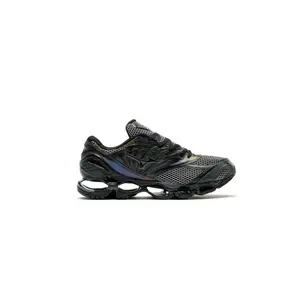


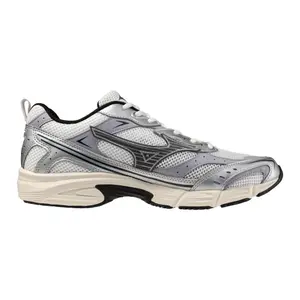


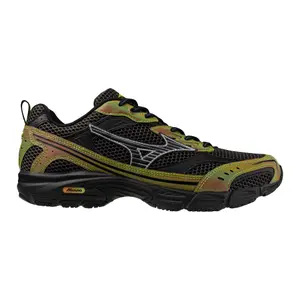


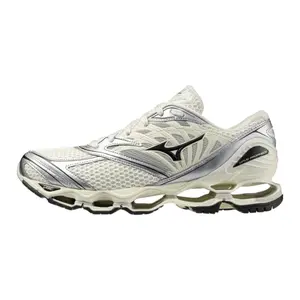
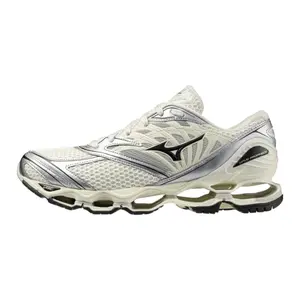


The Mizuno selection from the French Days features sneakers from the Japanese brand founded in Osaka in 1906, inheritors of its running shoes: Wave plate soles, mesh and suede overlays, and the Runbird logo on the side. A technical expertise that has transitioned from the track to the city, appealing to both fans of retro silhouettes and those looking for a comfortable sneaker for everyday wear.
The Japanese expertise in running, in sneaker form.
Mizuno, from baseball to running shoes
Mizuno was founded in 1906 in Osaka by Rihachi Mizuno and his younger brother Rizo, under the name of Mizuno Brothers. Captivated by the sporting culture of the United States, Rihachi started by making baseball uniforms to promote the sport in Japan. The brand then expanded its catalog to athletics, golf, volleyball and football, with running becoming one of its key areas. It’s this expertise in running, developed over decades on tracks and marathons, that has led to today's sneakers, which take inspiration from models originally designed for performance.
The other brands
The French Days sneakers also include:
All the brands are gathered on the sneakers page.
The Wave plate, the brand's technical signature
The Wave technology, launched in the late 1990s with the Wave Rider, combines foam with a wave plate made of synthetic material located in the midsole. Its wave shape distributes the impact of the stride over a larger surface, then provides stability during propulsion. Initially placed under the heel, the plate gradually gained prominence, leading to the Wave Prophecy, the first to feature a Wave sole throughout its length, whose architecture with visible arches has made it an icon of technical style. On a sneaker, this visible plate instantly identifies a Mizuno.
The Sportstyle line and its retro silhouettes
The lifestyle line from Mizuno, named Sportstyle, reissues running models like the Wave Rider or takes inspiration from them to create silhouettes with a retro vibe, like the Sky Medal and Contender, often offered in white with red and blue accents. Their uppers combine breathable mesh, suede inserts, and synthetic reinforcements, in colors drawn from the brand's archives. The Wave Prophecy, having transitioned from running to urban style, has been released in a lifestyle version. These sneakers maintain a structured sole, offering more stability than a flat canvas sneaker.
Mizuno shoe size and care for mesh and suede
Mizuno sneakers generally fit true to size. The best approach is to measure your foot: heel against a wall, mark the tip of the big toe on a piece of paper, then compare the length in centimeters to the brand's size guide. Those with wider feet may benefit from trying half a size up in models with a snug forefoot. In terms of care, suede should be protected with a waterproofing spray from the first wear and brushed dry; mesh can be cleaned with warm water and mild soap, using a soft brush, without machine washing which can weaken the bonds.
Frequently asked questions
Where does the name Mizuno come from?
Mizuno carries the name of its founders, brothers Rihachi and Rizo Mizuno, who established the company in Osaka in 1906. The brand has remained Japanese and its headquarters is still located in Osaka.
What does the Mizuno logo represent?
The logo, called Runbird, is a stylized bird whose shape also resembles the orbit of a planet. It appeared in the early 1980s and now adorns the brand's shoes and clothing.
Can you run in Mizuno sneakers?
The lifestyle models resemble running shoes but do not feature the latest cushioning: they are suitable for walking and daily wear. For regular running, it's better to opt for a current running shoe from the brand.
Is the Wave Prophecy comfortable for everyday wear?
Its Wave sole throughout the length provides a firm and stable base, appreciated for long walks. Heavier than a classic sneaker, it is especially favored for its technical look and support.
What colour of Mizuno should I choose?
White, grey, and black are the easiest colours to match: a white Mizuno brightens an outfit, while a black or grey one doesn’t show dirt as much in the city. The archive colours, which are more vibrant, make the shoe a standout piece.






