
The sneakers Puma from the French Days


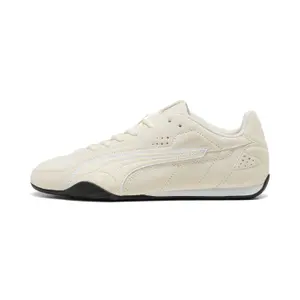
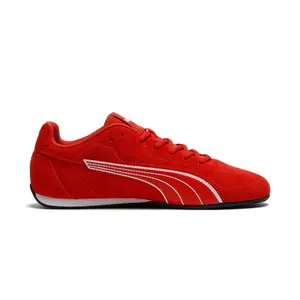

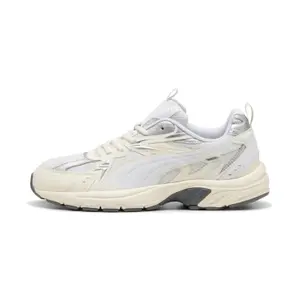
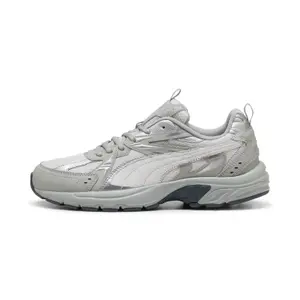
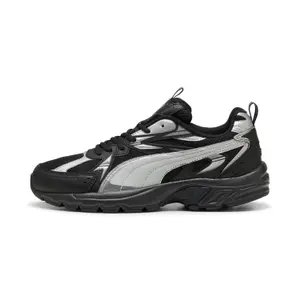


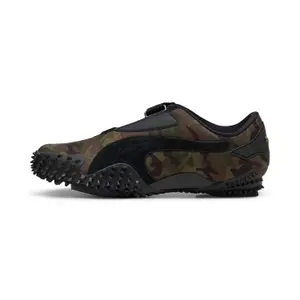
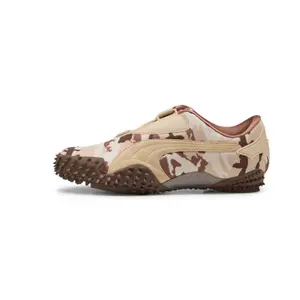
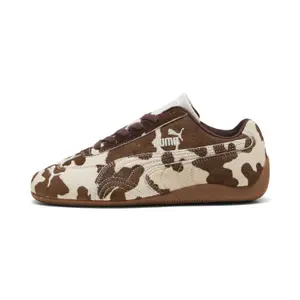


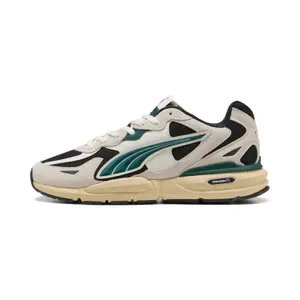
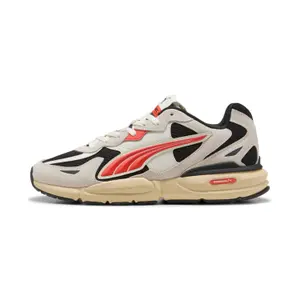


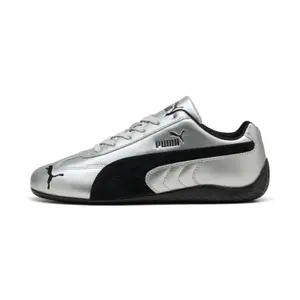
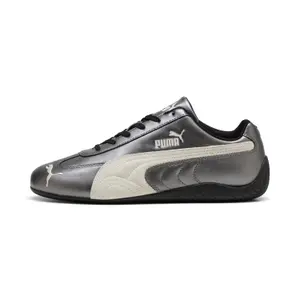
The Puma selection of French Days brings together the brand's cat-themed sneakers, from classics born on the tracks and courts to sleek silhouettes making a comeback: Suede in suede, Clyde from New York basketball, Speedcat from motorsport, Palermo from football stands, and Mostro with its spiky sole.
The classics of the cat, at discounted prices.
Sweden, the icon of suede since 1968
Launched in 1968, the Sweden was one of the first sneakers to swap smooth leather and canvas for suede. That same year, at the Mexico Games, American sprinter Tommie Smith, Olympic champion of the 200 meters, stepped onto the podium in socks, a Sweden in hand, during his protest gesture for civil rights. The shoe then found its place with New York breakdance dancers, who appreciated its flat sole and rounded toe. Its side stripe, the Formstrip, has marked Puma models since the late 1950s and remains the brand's signature.
Other brands
The French Days sneakers are also available:
All the brands are gathered on the sneakers page.
Clyde, Speedcat, Palermo: three sporting legacies
Several Puma silhouettes tell a sport. The Clyde, released in 1973, is a lighter and softer version of the Sweden, designed according to the wishes of Walt Frazier, leader of the New York Knicks nicknamed Clyde, making it one of the first signature basketball shoes. The Speedcat, appearing in 1999, derives from racing shoes: low, sleek, with a thin sole, it allows you to feel the pedals. The Palermo, born in the early 1980s in a series named after European cities, has become an emblem of the terrace culture in British stands.
Mostro and Speedcat Ballet: Puma's bold version
Puma also cultivates bolder models. The Mostro, born in the late 1990s, is recognized by its spiky rubber sole and its strap that crosses over the instep. The Speedcat Ballet takes the finesse of the Speedcat to a ballerina spirit, with a strap and a tapered profile that bring it closer to a dance shoe. These models catch the eye and assert themselves as the standout piece of an outfit. They show how the brand founded by Rudolf Dassler knows how to play with its sporting heritage to step into the fashion scene.
Size Puma and suede care
Generally, Puma sneakers fit true to size; the Speedcat and its derivatives, which are very narrow, hug the foot closely, and wider feet may need to go up half a size. The length of the foot is measured in centimeters, preferably at the end of the day, and you should refer to the brand's guide. The suede of the Sweden or the Clyde should be protected with a water repellent before its first outing, then brushed dry with a crepe brush to lift the nap. A recent stain can be removed with a suede eraser; avoid excessive water and washing machines, which can stiffen the leather.
Frequently asked questions
What is the country of origin of Puma?
Puma is a German brand, founded in 1948 in Herzogenaurach, Bavaria, by Rudolf Dassler. His brother Adolf founded another major sports brand in the same small town after their split.
Why did Puma choose a feline?
The puma, a large feline from America, evokes speed, agility, and power, the qualities Rudolf Dassler wanted to associate with his shoes. The leaping feline in the logo, which appeared in the 1960s, has since signed most products.
Are Puma Speedcats comfortable for daily wear?
The Speedcat offers a slim fit and a thin sole inherited from motorsport: it suits the city and days without long walks. Those looking for more cushioning should turn to the Palermo or the Sweden, which have thicker soles.
Are Puma sneakers suitable for sports?
Models lifestyle like the Sweden or the Palermo are designed for the city: their flat sole does not provide the cushioning or support of a running shoe. For running, Puma offers specific technical ranges, with dedicated foams.
Which Puma to choose for a first purchase?
The Sweden remains the most versatile choice: its classic shape and numerous colors fit in with almost any outfit. Those who prefer a slimmer profile go for the Speedcat, while retro style enthusiasts choose the Palermo.






