
Weightlifting accessories


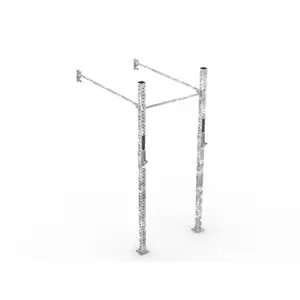
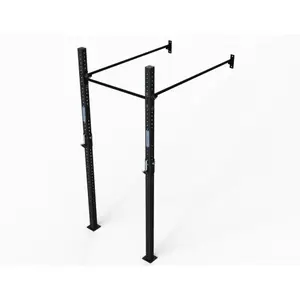
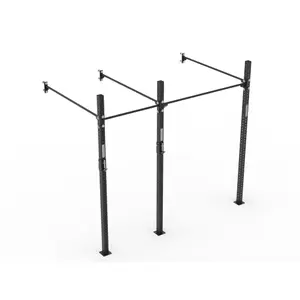
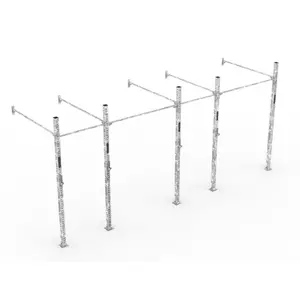
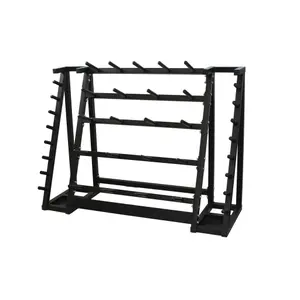
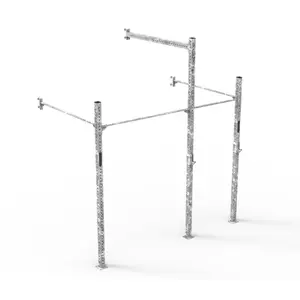
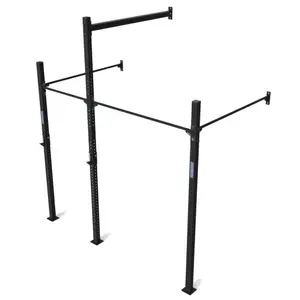
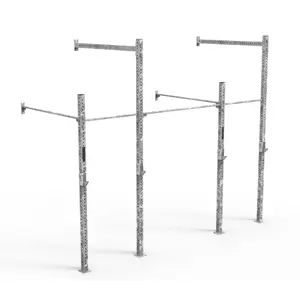
Our Weightlifting Accessories page brings together bar and dumbbell attachments: weightlifting belts 2POOD with Velcro closures, collars, chalk, lifting straps, and gloves, along with our tips for training with heavy weights safely.
The details that help you progress safely.
The weightlifting belt
The weightlifting belt is tightened around the waist during heavy lifts like squats, deadlifts, and clean and jerks. By pushing the belly against it while inhaling, the athlete increases the intra-abdominal pressure, which stabilises the spine under the load. The 2POOD belts from the American brand born in the cross-training world are made of nylon with velcro fastenings, about ten centimetres wide, and can be put on and taken off in an instant between sets.
The rest of weight training
Weight training also includes:
All weight training is gathered on the weight training page.
Collars, chalk, and straps
Collars lock the discs onto the bar: without them, an unbalanced load can slide and cause an accident. Chalk, a white powder, absorbs sweat from the hands and improves grip on the bar, especially during deadlifts and pull-ups. Straps, wrapped around the bar, relieve grip when the forearms fatigue before the back muscles.
Using your accessories correctly
The belt is reserved for the heaviest sets: training without it the rest of the time strengthens the abdominal strap. It should be tightened firmly without cutting off breathing. Accessories never replace a good technique: you learn the movements with light loads, ideally with a coach, before progressing. Check the condition of the velcro and seams on your belt, and replace it as soon as it shows signs of wear.
Good deals
Good deals can also be found in the good deals, promotions, clearance, sales, and Black Friday. The new arrivals showcase the latest collections, and items shipped in 24h are prepared and dispatched within 24 hours. The highlights of the year follow a stable order: Black Friday at the end of autumn, the end-of-year holidays, the winter sales, the French Days in spring, then the summer sales and back-to-school.
Frequently asked questions
When should you use a weightlifting belt?
The belt is worn during heavy sets of squats, deadlifts, or clean and jerks. By pushing the belly against it, you increase the abdominal pressure, which stabilises the spine under the load.
Does the weightlifting belt replace core strength exercises?
No, it complements good technique and a strong abdominal strap. You only use it on weights close to your maximum, not throughout the whole workout.
Should you use chalk or gloves?
Chalk dries the hands and improves grip on the bar without reducing sensitivity. Gloves protect the skin from calluses but make the grip thicker, which is less appreciated with heavy loads.
What are lifting straps for?
The straps wrapped around the bar relieve grip during heavy lifts like deadlifts or rowing. They allow you to work your back without your forearms giving out first.
Why use collars on a bar?
The collars secure the discs on the bar and prevent them from sliding during the lift. They avoid dangerous imbalance, especially during explosive movements or long sets.






