
Kids' golf clubs


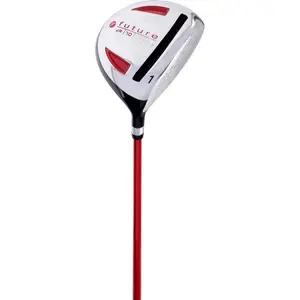
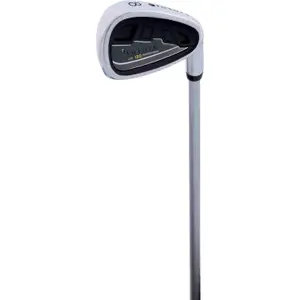


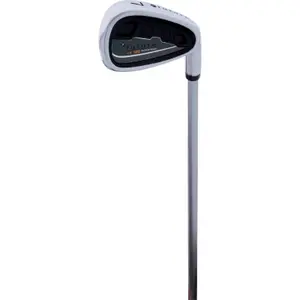
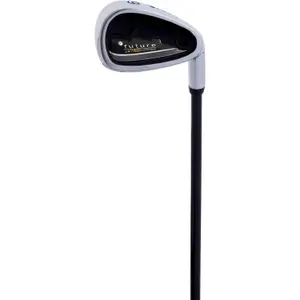
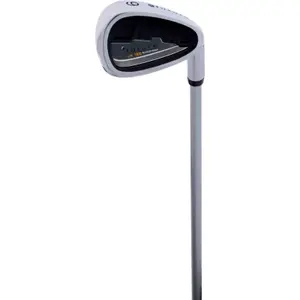
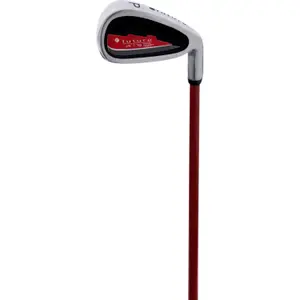
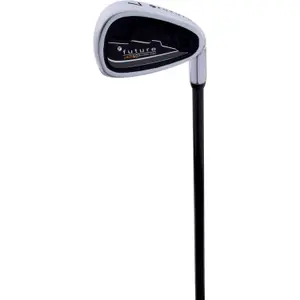
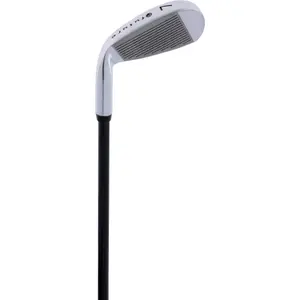

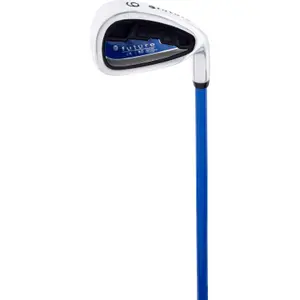
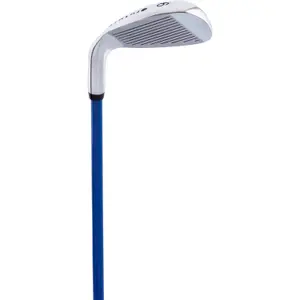
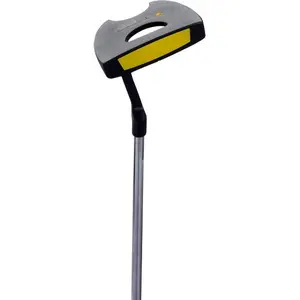
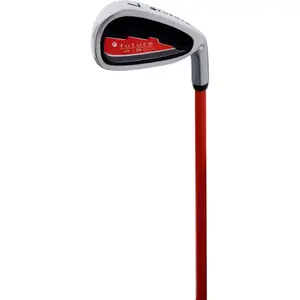
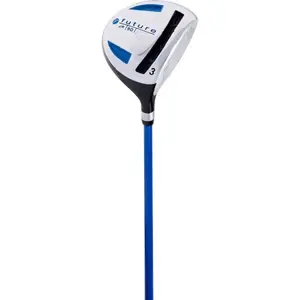
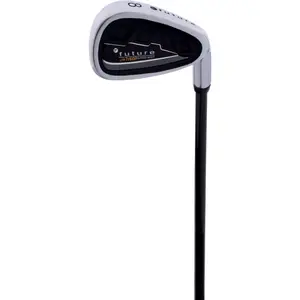
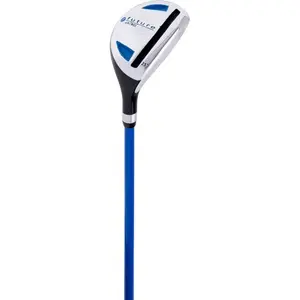
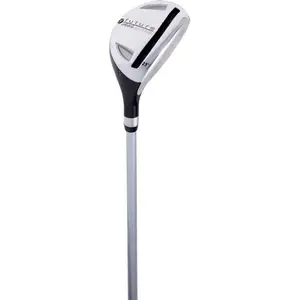
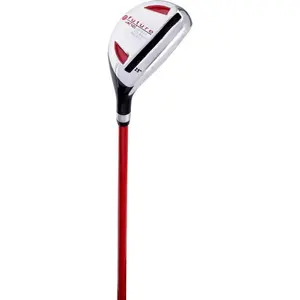

Our Kids page brings together the world of junior golf clubs: iron sets, drivers, fairway woods, hybrids, individual irons, wedges and putters, along with our tips for choosing clubs suited to the height and strength of a young golfer, from beginner to competitive levels.
Clubs that fit them, to help them learn quickly.
Clubs to Fit Them
A child can't learn golf with shortened adult clubs: they are too heavy and too stiff, which affects the swing and can be discouraging. Junior clubs are designed for their size: shorter shafts made from light and flexible graphite, lighter heads, and thinner grips suitable for small hands. They help get the ball off the ground easily, which provides the necessary enjoyment for improvement.
By Type of Club
Children's clubs come in different types:
Adults will find their clubs in the men's and women's categories on the clubs page.
The Right Length
Junior clubs are chosen according to the child's height, not their age: manufacturers offer height ranges with corresponding club lengths. Measure the child in shoes. A well-fitted club reaches about hip height when held vertically. You can choose a slightly longer club to account for growth, but never too much, as that could compromise posture and technique.
Building Their Bag
To start, a child only needs a few clubs: a wood or hybrid for long shots, one or two medium irons, a wedge for approaches and bunkers, and a putter. The driver comes later, once the swing is fast enough. Regulations allow a maximum of fourteen clubs, but a lightweight bag is easier to carry. Clubs are renewed as the child grows, generally every two or three years.
Good Deals
Good deals can also be found in the bargains, promotions, clearance, sales, and Black Friday. The new arrivals showcase the latest collections, and items shipped within 24 hours are prepared and dispatched in 24 hours. The year's highlights follow a regular order: Black Friday in late autumn, the end-of-year holidays, winter sales, spring's French Days, followed by summer sales and back-to-school.
Frequently Asked Questions
How do I choose the length of a child's clubs?
It should be based on the child's standing height with shoes on, rather than their age. Clubs that are too long force them to stand up straight, while those that are too short make them bend over, which affects their posture.
How many clubs does a beginner child need?
A half-set is sufficient: a wood or hybrid, two or three irons, a wedge, and a putter. This way, the child learns the different shots without being overloaded, and the bag remains light to carry.
When should a child’s clubs be changed?
As soon as the child grows by about ten centimetres, their clubs become too short and affect their posture. During growth, it's often best to change clubs roughly every two years.
Why do junior clubs have a graphite shaft?
Graphite, being light and flexible, helps the child generate speed and lift the ball. With a steel shaft, which is too heavy and rigid, they would compensate by distorting their swing.
Can adult clubs be cut down for a child?
This is not recommended: shortening a club makes it stiffer and leaves a head that is too heavy for a child. Junior clubs, with thinner grips and lighter heads, are much more suitable.






