
Single irons for kids
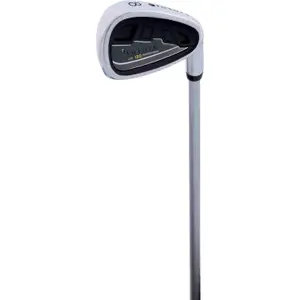


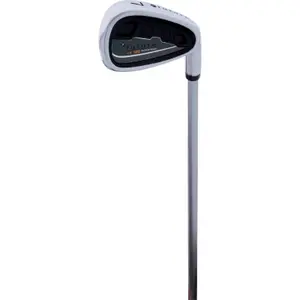
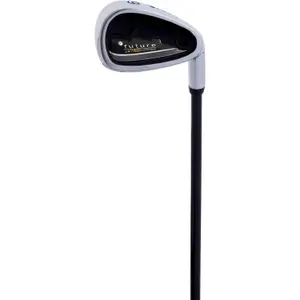
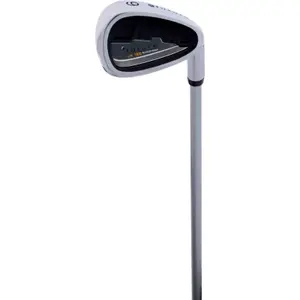
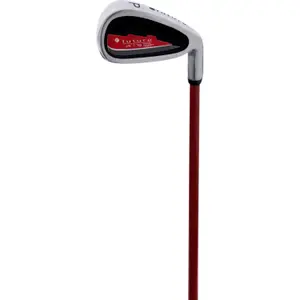
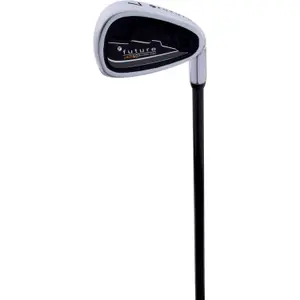
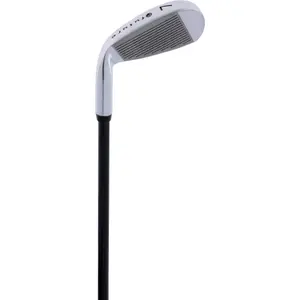

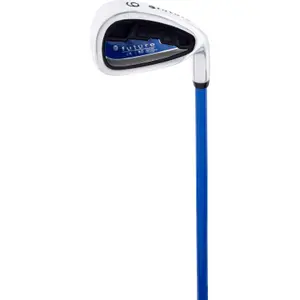
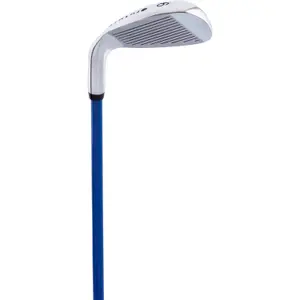
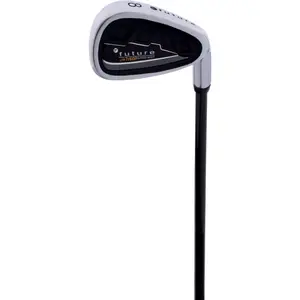

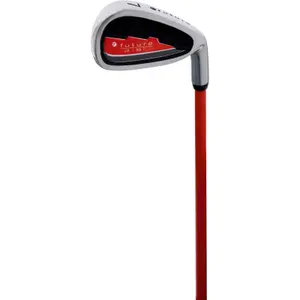

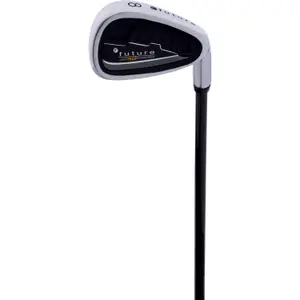


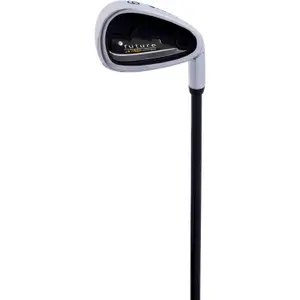
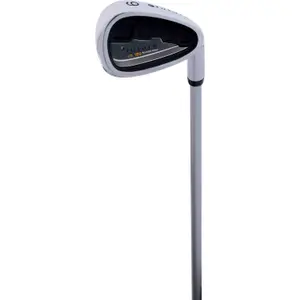
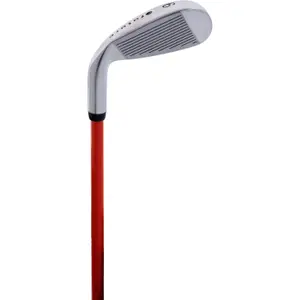
This page brings together individual irons for children: a single club, purchased separately, to introduce a young golfer, replace a lost iron or complement a junior bag as they progress. Length according to height, lightweight and flexible shaft, choice of iron number: our advice helps to find the club suited to the child's age and size.
One iron at a time, to improve.
What iron number to choose for a beginner
The number of an iron refers to its loft, the angle of the face: the higher it is, the higher the ball goes and the less it travels. For a first club, a seven iron or an eight iron offers the best compromise: enough loft to get the ball in the air without much effort, and enough distance to encourage hitting at the practice range. The nine iron or pitching wedge gives confidence to younger players, who see the ball rise right from the first shots. Long irons, which are less forgiving, should be saved for later, as they require a swing speed that a child hasn’t developed yet.
The rest of the bag
Children's clubs also come in:
All clubs can be found on the children's clubs page.
Replacing or adding an iron in a junior bag
Purchasing an individual iron helps when a club from the set has been lost, broken, or left on the course: you can replace it without having to buy a whole bag. It can also fill a distance gap: a young player with only a six iron and an eight iron benefits from adding a seven iron. To maintain consistent feel, it's best to stick within the same size range as the other clubs the child has, with a similar shaft flexibility. Golf rules allow up to fourteen clubs in the bag: a beginner can play well with just five or six.
Length and weight of the iron according to the child's size
Junior clubs are categorized by child size rather than age, as two eight-year-olds can differ by fifteen centimetres. At address, the sole should sit flat behind the ball, with hands at thigh height. A graphite shaft, which is lighter than steel, and a lighter head allow for quicker swings without distorting the swing. An iron that’s too long forces the child to stand up straight, while one that’s too heavy shortens their movement. Equipment should be reassessed with every growth spurt, roughly every ten to fifteen centimetres.
Good deals
Great deals can also be found in good deals, promotions, clearance, sales, Black Friday. The new arrivals feature the latest collections, and items shipped within 24h are prepared and dispatched in 24 hours. The year's key events follow a consistent pattern: Black Friday at the end of autumn, the holiday season, winter sales, spring's French Days, followed by summer sales and going back to school.
Frequently asked questions
At what age can a child have their own iron?
From as young as three or four, very short and lightweight clubs enable a child to discover the swing while playing. The key is that the length and weight of the iron suit their size, not their age.
Can an adult iron be shortened for a child?
This is not recommended: cutting the shaft keeps a heavy head on the club and makes it even stiffer. The child compensates with their shoulders, leading to bad habits that are hard to correct later.
What grip for a junior iron?
The grip on a junior iron is thinner than that of an adult club, so small hands can hold it without tension. A grip that’s too thick limits wrist action and takes away swing speed.
Does a left-handed child need a specific iron?
Yes, a left-handed child playing naturally uses an inverted face iron. However, some left-handed children learn to play right-handed: it's best to try out with a coach before making a purchase.
How to maintain a junior golf iron?
After each session, clean the grooves on the face with a brush and water to remove dirt and grass, which diminish the spin on the ball. Wipe down the club and store it in a dry place to prevent rust.






