
Golf drivers for kids
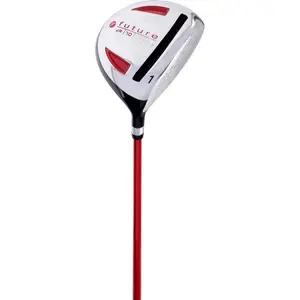
Our Drivers page for kids brings together our tips for choosing a driver for a young golfer: length suitable for their height, generous loft to help lift the ball, lightweight and flexible shaft, forgiving head, the right time to add it to the bag, and good habits at the tee.
The first big drives off the tee.
A club to get used to
The driver is the longest and hardest club to master. For a child, an adult driver is unusable: too long, too heavy, and too stiff. The junior driver is designed for the child's size, with a lighter head and a more open loft, from twelve to fifteen degrees or more, to help the ball take off despite a moderate swing speed.
The other clubs
Children's clubs also come in various types:
All clubs can be found on the children's clubs page.
The right time
Many teachers recommend starting with a fairway wood or a hybrid, which are easier, before adding a driver to the bag. When the child regularly strikes their irons and woods, and plays longer courses, the driver becomes useful for gaining distance on long holes. Junior sets often include it, tailored to their size.
Size and technique
The driver is chosen based on the child's size, using the manufacturers’ charts, and is updated along with the set. The lightweight and flexible graphite shaft helps generate speed. Initially, the ball is teed up higher than with an iron, with half of the ball above the top edge of the face, and a wide and balanced swing is preferred over pure strength.
Good deals
Good deals can also be found in the good deals, promotions, clearance, sales, and Black Friday. The new arrivals showcase the latest collections, and items shipped within 24 hours are prepared and sent out in that time frame. The year's highlights follow a stable order: the Black Friday in late autumn, the holiday season, the winter sales, the French Days in spring, followed by the summer sales and back-to-school season.
Frequently asked questions
At what age can a child use a driver?
There is no fixed age: the driver is added when the child can regularly hit their woods and irons, with a swing speed sufficient to get the ball airborne. Before that, a fairway wood, which is easier to handle, is enough to start.
How to choose the length of a junior driver?
The choice is based on the child's size, not their age: junior drivers are offered in size ranges. A club that is too long disrupts the swing and reduces accuracy, while a club that is too short disrupts posture.
Why is an adult driver not suitable for a child?
Too long, too heavy, and too stiff, it forces the child to compensate and degrades their swing. The junior driver, being shorter, lighter, and with a flexible shaft, suits their swing speed and helps them develop good habits.
What loft should be chosen for a children's driver?
An open loft, from twelve to fifteen degrees or more, helps the ball take off despite a moderate swing speed. A loft that is too closed, meant for adults, results in low shots that roll without gaining distance.
How to avoid a slice with your driver?
First, check the grip, which is often too weak, then the alignment of the shoulders, parallel to the line of play. A forgiving junior driver, with a wide head, also tolerates off-center hits better.






