
MTB brake pads

Starting at £100.01
£62.38
Starting at £100.01
£59.12
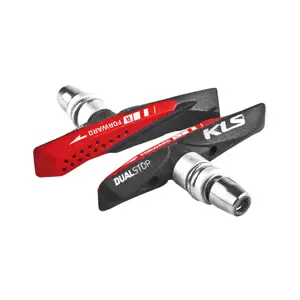
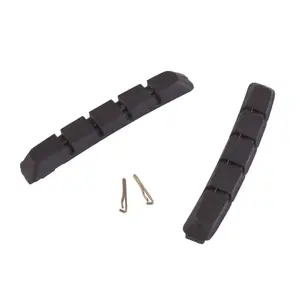
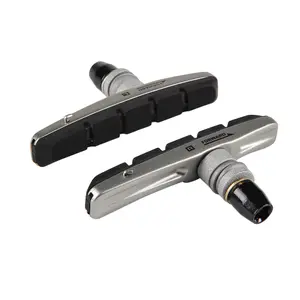
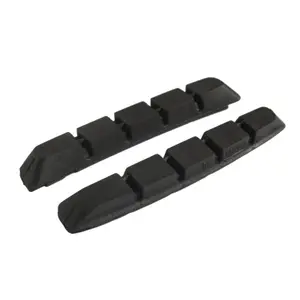

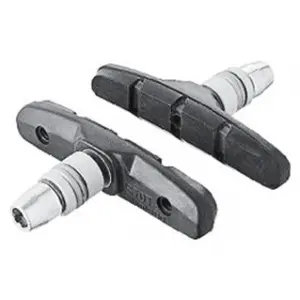
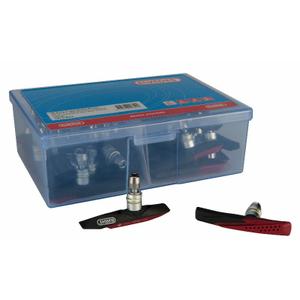
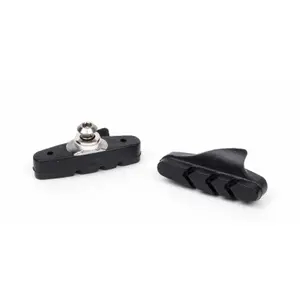
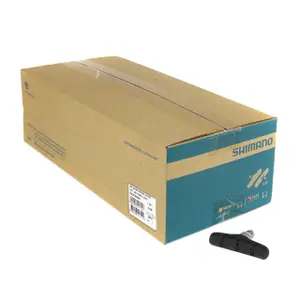
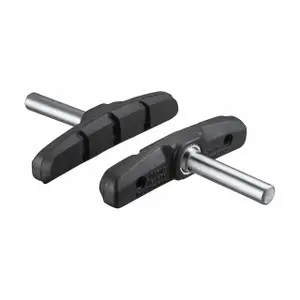
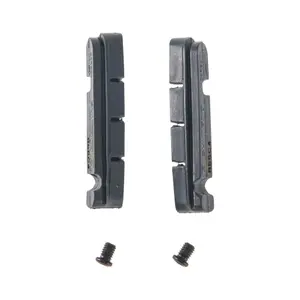
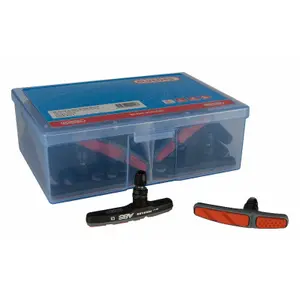
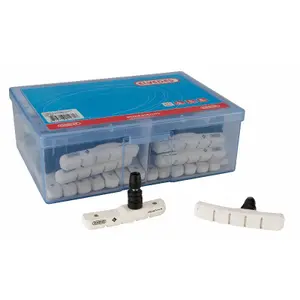
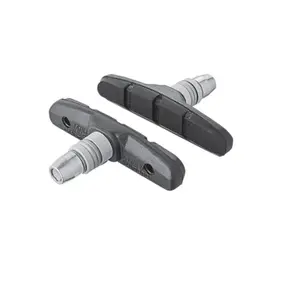
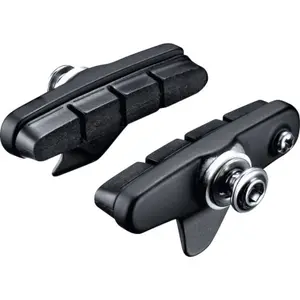
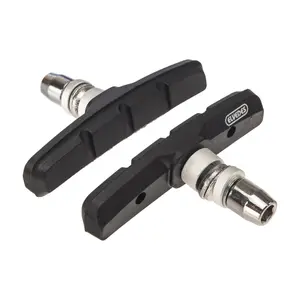
Our selection of Brake Pads for mountain bikes includes the Jagwire Mountain Sport pads for cantilever brakes and the Deporte pad holders for V-brakes, along with our tips for choosing the right rubber, installing and adjusting your pads, and maintaining effective braking on rim-braked mountain bikes.
Safe braking for rim-braked mountain bikes.
Rim brakes
Before the widespread adoption of disc brakes, mountain bikes braked on the rim, using cantilever brakes, then V-brakes, which were more powerful and emerged in the 1990s. Many entry-level mountain bikes, children's bikes, touring bikes, and city bikes still come equipped with them. Simple, lightweight, and easy to maintain, these brakes remain effective as long as the pads are in good condition.
Other parts
Mountain bike braking also includes:
All braking options are gathered on the braking page.
Rubber and support
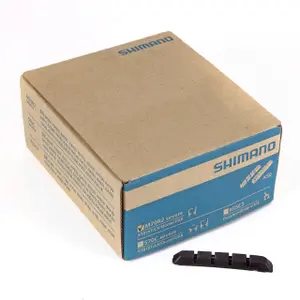
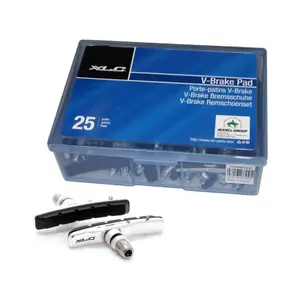
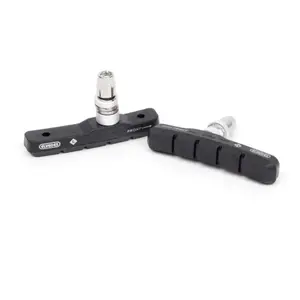
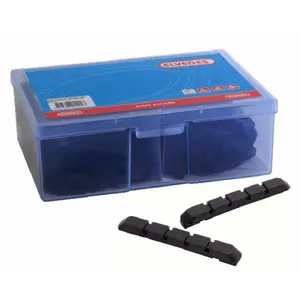
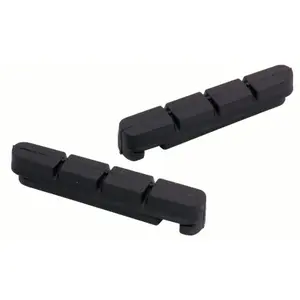
For mountain biking, the rubber needs to remain effective in mud and rain: deep-grooved pads, like the Jagwire Mountain Sport for cantilever, channel away water and dirt. Cartridge pad holders, like those from Deporte for V-brake, allow you to change just the rubber and make adjustments easier. You choose the pad length suitable for your caliper, from seventy to seventy-two millimeters.
Installation and maintenance
Position the pad at the centre of the braking surface, parallel to the rim, with a slight pinching at the front to avoid squealing, and never touching the tyre. Replace the pads as soon as the grooves disappear. After a muddy ride, clean the pads and rims to remove sand that accelerates wear, and check the tightness of the nuts.
Great deals
Good bargains can also be found in great deals, promotions, clearance, sales, and Black Friday. The new arrivals showcase the latest collections, and items shipped within 24h are prepared and dispatched in 24 hours. The highlights of the year follow a stable order: Black Friday in late autumn, the end-of-year holidays, winter sales, spring French Days, followed by summer sales and back-to-school.
Frequently asked questions
What’s the difference between cantilever and V-brake?
The cantilever, which is older, uses a central cable that pulls two arms. The V-brake, which appeared in the 1990s, provides more power due to its longer arms. Their pads are not always interchangeable.
Pads or discs: what's the difference?
Pads brake on the rim, while discs brake on a disk fixed to the hub. A rim brake mountain bike uses pads; a disc brake mountain bike uses specific pads for its caliper.
How to adjust V-brake pads?
Align the pad on the braking surface, one or two millimetres from the rim, without touching the tyre. Then adjust the cable tension with the lever's knob for a firm braking action.
What are Deporte pad holders for?
These holders stay fixed to the brake and receive replacement rubbers: you only change the worn rubber without needing to readjust everything. A handy solution for V-brakes.
How to maintain mountain bike brake pads?
After a muddy ride, clean the rim and remove any gravel embedded in the rubber. Lightly sand a shiny surface to regain grip and replace the pad as soon as its grooves disappear.






