
MTB Brake Pads and Discs

Starting at £47.94
£44.99
Starting at £47.94
£44.97

Starting at £20.42
£19.73


Starting at £42.93
£39.26


Starting at £77.54
£67.64


Starting at £58.36
£46.33


Starting at £132.99
£68.33

Starting at £191.73
£93.57

Starting at £166.72
£92.30

Starting at £166.72
£92.30

Starting at £166.72
£92.30

Starting at £191.73
£93.57


Starting at £132.99
£68.33
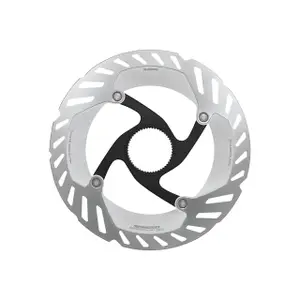
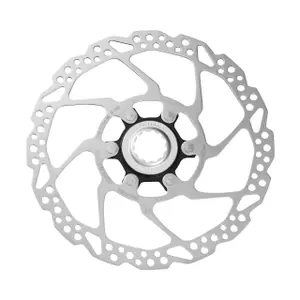
Our selection of Pads and Discs includes the metallic finned pads Shimano, organic and metallic Elvedes, Galfer, Hayes, TRP, Marwi, CL Brakes and Jagwire, and the Shimano Center Lock discs, including models with Ice Technologies cooling, and Elvedes.
Powerful and durable braking.
Two types of brake pads
The organic pads, or resin, provide a biting and silent braking experience right from the first use, but wear out quicker and handle heat and mud less effectively. The metallic pads, or sintered, are more durable, better suited for long descents and wet conditions, though they come with a louder noise. The Shimano pads with fins dissipate heat to prevent power loss.
The rest of braking
Mountain bike braking is also available in:
All braking information can be found on the braking page.
Compatibility
Each pad has a shape specific to a caliper model: check the reference, Shimano, SRAM, Magura, Formula, Hayes or Tektro, before ordering. Specialist manufacturers like Elvedes, Galfer or TRP offer alternatives to the original pads. For discs, check the mounting, whether it's six bolts or Center Lock, and the diameter, ranging from one hundred sixty to two hundred three millimeters.
Wear and replacement
Replace the pads when the friction material becomes too thin, around one millimeter or less, or when braking power decreases. A worn disc, too thin or warped, should also be changed: its minimum thickness is often engraved on it. The Shimano Ice Technologies discs, made with an aluminium core, dissipate heat better. After each replacement, carry out a gradual break-in.
Good deals
Great deals can also be found in good deals, promotions, clearance sales, sales, and Black Friday. The new arrivals showcase the latest collections, and items shipped within 24h are prepared and dispatched within 24 hours. The main events of the year follow a stable order: Black Friday at the end of autumn, the end-of-year holidays, winter sales, the French Days in spring, followed by summer sales and back-to-school.
Frequently asked questions
Organic or metallic pads: which to choose for your mountain bike?
Organic pads offer a biting and quiet braking experience, ideal for cross-country and dry conditions. Metallic pads, being more durable, handle the heat from long descents and mud better, at the cost of a bit more noise.
When should you change your disc brake pads?
They should be replaced when the friction material dips below about one millimetre in thickness, or as soon as a metallic squeal appears. Riding on the metallic backing quickly damages the disc and severely reduces braking performance.
What are the fins on Shimano pads for?
The fins dissipate heat generated by braking, which limits overheating during long descents. Braking remains more consistent, and the friction material wears down more slowly, which is beneficial for enduro and bike park use.
How can I tell if my brake disc is worn?
Measure its thickness with calipers: the minimum value is often engraved on the disc. A disc that is too thin, warped, or blued from heat should be replaced, along with its pads.
How to break in new pads?
Ride at a moderate speed and brake firmly about twenty times, almost coming to a stop without locking the wheel. The break-in process deposits a fine layer of friction material onto the disc and maximises the pads' performance.






