
Mountain bike disc brakes
Starting at £271.82
£95.13
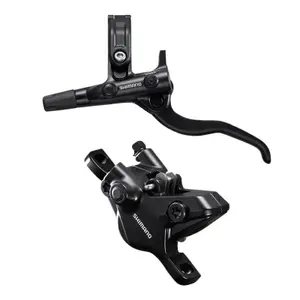
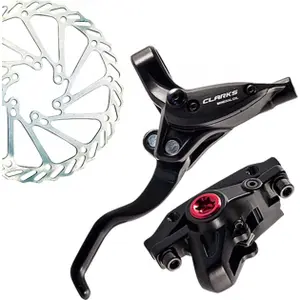
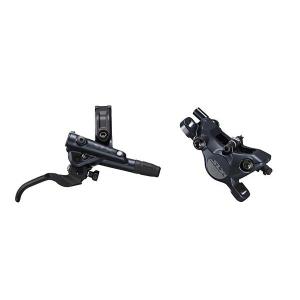
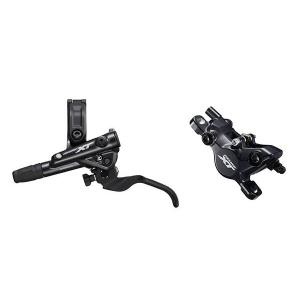
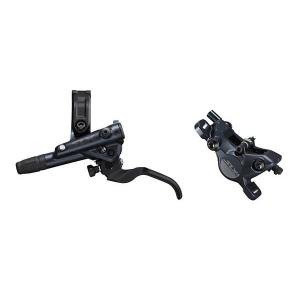
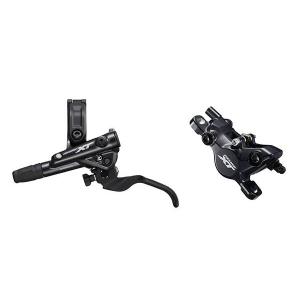
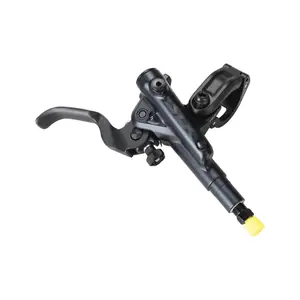
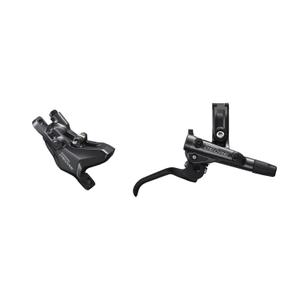
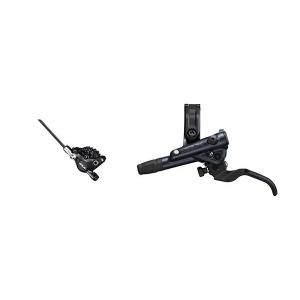
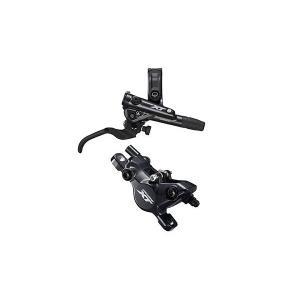
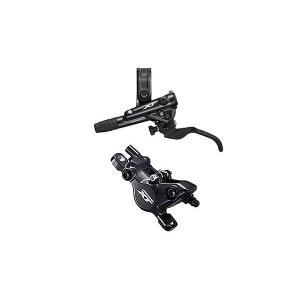
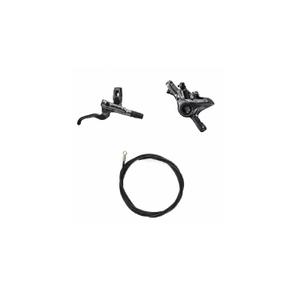
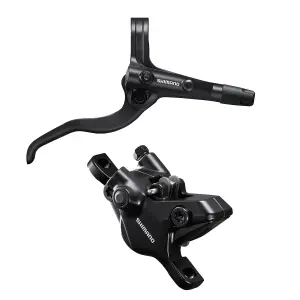
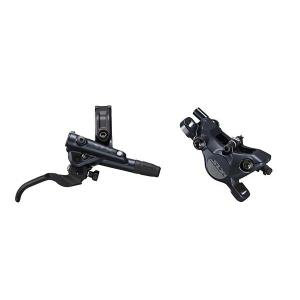
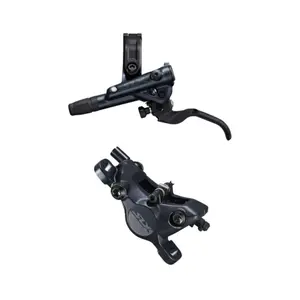
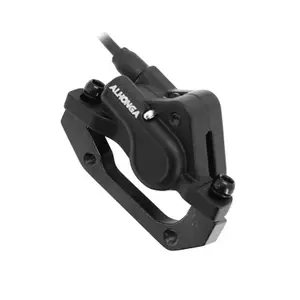
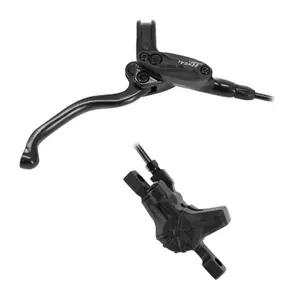
Our selection of Disc Brakes for mountain bikes includes complete hydraulic brakes Clarks, delivered with their disc, and the Sram G2 Ultimate brake, along with our tips for choosing a brake based on your usage: number of pistons, fluid, disc diameter, installation, and bleeding.
Power and control on descents.
A complete set
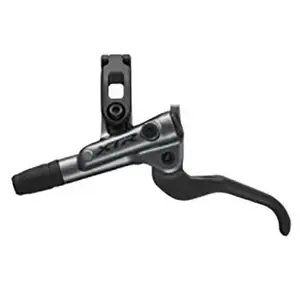
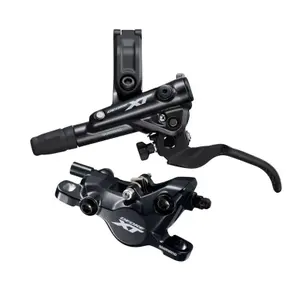
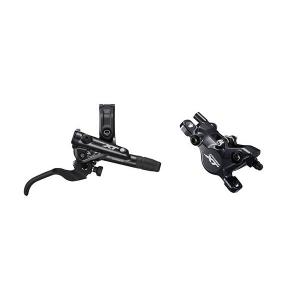
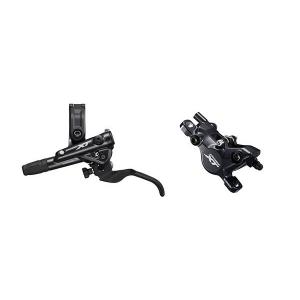
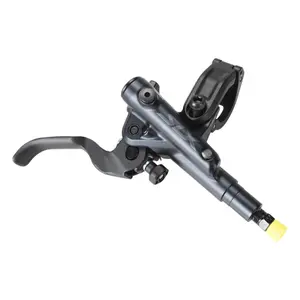
A hydraulic disc brake consists of a lever with its reservoir, a hose filled with fluid, and a caliper that pinches the disc. The Clarks brakes from the British brand come fully equipped, with a disc, ready to install. The Sram G2 Ultimate, high-end, with four pistons, targets trail and enduro, providing fine power and modulation.
The rest of the braking
Mountain bike braking also includes:
All braking information is gathered on the braking page.
According to the practice
In cross-country and trekking, a two-piston, lightweight brake provides sufficient power. For trail, enduro, and downhill, a four-piston brake, more powerful and durable, paired with a disc of two hundred millimetres or more, maintains its effectiveness during long descents. The weight of an electric mountain bike also requires reinforced braking.
Installation and bleeding
Check the caliper attachment, post mount or flat mount, and the disc attachment, six screws or Center Lock. Shortening a hose requires a bleed using the fluid suited for the brake: mineral oil or DOT fluid, which are never interchangeable. After installation, perform a break-in of the pads with a series of progressive brakes to achieve full power.
Good deals
Great bargains can also be found in good deals, promotions, clearance, sales, Black Friday. The new arrivals feature the latest collections, and items shipped in 24h are prepared and dispatched within 24 hours. The highlights of the year follow a steady pattern: the Black Friday at the end of autumn, the year-end holidays, the winter sales, the French Days in spring, followed by the summer sales and back to school.
Frequently asked questions
How to bleed a hydraulic disc brake?
Replace the fluid by pushing it from the caliper to the lever using a bleed kit and syringes, until all air bubbles are eliminated. Only use the fluid specified by the manufacturer, either mineral oil or DOT.
Why is my disc brake squeaking?
Squeaking often comes from pads or a disc contaminated with oil or lubricant, or from a misaligned caliper mal. Clean the disc with alcohol, sand or replace the pads, then realign the caliper.
How many pistons should I choose for my mountain bike brake?
Two pistons are sufficient for cross-country and trekking, providing a light and easily manageable brake. Four pistons deliver the necessary power for trail and enduro, especially during long descents.
What disc diameter should I choose for a mountain bike?
A larger disc dissipates heat better and increases braking power. A larger disc is often fitted at the front, which provides the essentiel of the braking, especially downhill and for heavier riders.
Disc brakes or rim brakes, which to choose?
Disc brakes maintain their effectiveness in rain and mud, and do not wear out the rim. Rim brakes, being simpler and lighter, are suitable for leisure bikes on dry surfaces, but lose much effectiveness when wet.






