
Fitness shoes Hummel


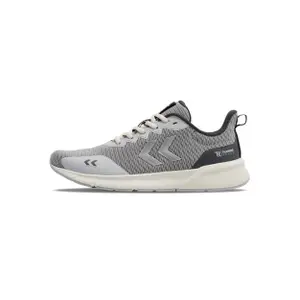

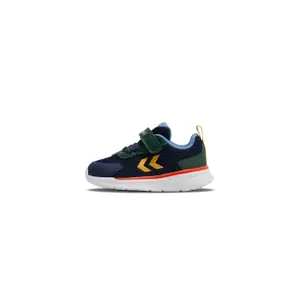


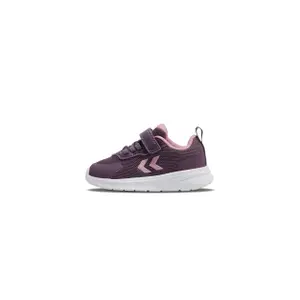


Our Hummel page showcases the shoes from the chevron brand, which was founded in Hamburg in 1923 and is now Danish, along with our tips for choosing an indoor shoe suitable for fitness, group classes, and muscle strengthening: non-marking sole, lateral support, forefoot cushioning, and breathable upper.
The chevrons, from the gym to the sports hall.
A bumblebee, chevrons and a century of history
Hummel was founded in 1923 in Hamburg by Michael Messmer and his son Max under the name of Messmer and Co. Its name means bumblebee in German, which is why the insect features in its logo, and its chevrons, placed on the sleeves and sides of the shoes, have become its signature. Having changed hands several times, the brand has been owned by the Danish group Thornico since 1999 and is based in Aarhus. Inheriting a long tradition of indoor sports, it offers indoor shoes suitable for fitness and group classes.
Other brands
Fitness shoes are also available by brand:
All shoes are gathered on the shoes page.
What sets an indoor shoe apart
The indoor shoe is recognized by its rubber sole, often light-coloured and non-marking, which grips on wooden floors and synthetic surfaces without leaving black marks. Its low profile keeps the foot close to the ground, improving balance during lunges and side steps. A firm lateral support secures rapid movements in cardio classes, while cushioning at the front of the foot absorbs repeated jumps. A breathable mesh upper releases heat during intense indoor sessions.
Group classes or strength training: which model
For group classes, whether step or HIIT, you should choose a light and flexible shoe at the front, which follows rebounds and rhythm changes. For strength training and weightlifting, a flatter, firmer sole with a low heel is preferred, keeping the foot anchored to the ground. For mixed use, an intermediate model, stable but well-cushioned, covers the essentials of the sessions. Try on your pair at the end of the day, with socks on, leaving half a centimetre in front of the toes.
Good deals
Good deals can also be found in the good deals, promotions, clearance, sales, and Black Friday. The new arrivals showcase the latest collections, and items shipped within 24h are prepared and dispatched within 24 hours. The highlight times of the year follow a stable order: Black Friday at the end of autumn, the year-end holidays, the winter sales, the French Days in spring, then the summer sales and back-to-school.
Frequently asked questions
Why is a non-marking sole important indoors?
A non-marking sole, often made of light rubber, leaves no marks on wooden floors and synthetic surfaces. Many gyms require it, and it provides good grip on these smooth surfaces.
How to find the right size for a Hummel fitness shoe?
Try it on with your sports socks and check that there's a little space in front of the toes. The heel should be well held, without slipping, to avoid rubbing during lateral movements.
Can indoor shoes be worn outside?
It's best to avoid it: asphalt quickly wears down the soft rubber of the sole and makes it dirty, which renders it marking. Reserve your pair for the gym and change shoes for the journey.
What shoe for HIIT and jump rope?
Choose a light model, flexible at the front of the foot and well-cushioned under the metatarsals, where the impacts are concentrated. Good heel support prevents the foot from moving in the shoe during repeated jumps.
How to tell if a fitness shoe is worn out?
A smooth sole that slips, cushioning that no longer rebounds, or a deformed upper that no longer supports the foot indicate that it needs to be replaced. Continuing with a tired pair exposes you to knee and ankle pain.






