
Fitness shoes Joma
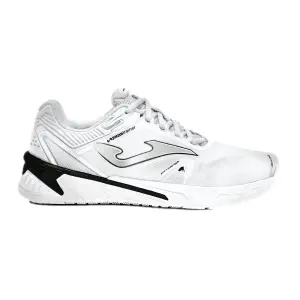
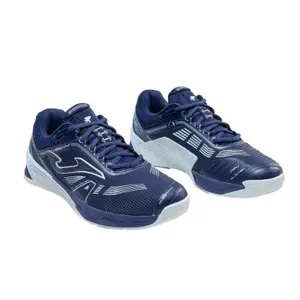
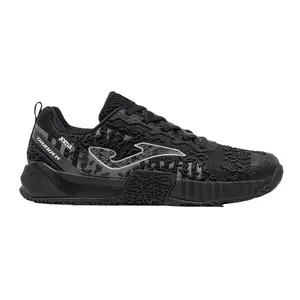
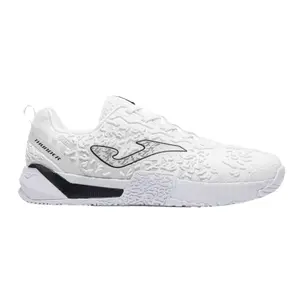
Our page dedicated to fitness shoes Joma showcases the Spanish brand and its training models designed for the gym: weightlifting, group classes, circuit training and cardio on machines. You'll find our tips for deciding between stability, grip and cushioning, finding the right size, and caring for shoes meant for indoor use.
The Spanish versatility, at a fair price.
Joma, a Spanish shoemaker since 1965
Joma was founded in 1965 in Portillo de Toledo, near Toledo, in the workshop of Fructuoso López, who initially made sports shoes before establishing one of Spain's great sports equipment brands. Shoes remain their original trade, and their training models reflect this: breathable mesh upper, synthetic reinforcements on the sides to support the foot, rubber sole designed for indoor surfaces. The brand has built a reputation for making versatile, durable, and affordable shoes that are suitable for both strength training sessions and group classes.
Other brands
Fitness shoes are also available by brand:
All shoes can be found on the shoes page.
Weight training, group classes, cardio: three different supports
A fitness shoe performs differently depending on the exercise. In weight training, squats, deadlifts, or lunges require a flat and firm sole, which keeps the heel anchored to the ground and transfers force without collapsing. In group classes, step, HIIT, or music-assisted strengthening, jumps and lateral movements require good midfoot support and a non-slip sole that pivots without catching. For cardio on a treadmill, elliptical, or rowing machine, a more generous cushioning relieves pressure on the knees over time. The Joma training models find the best compromise for these three usages.
Size, support, and care of an indoor shoe
You should try on your fitness shoes with the socks worn during training, ideally at the end of the day when the feet have slightly swollen, leaving about half a centimetre of space in front of the big toe. The heel should not slip during a jump, and the lacing should hold the top of the foot without being too tight. Reserved for indoor use, the shoe maintains a clean sole, which doesn't mark floors and retains its grip. After the session, it should be left to air dry, with the insole removed, away from a radiator that could harden the rubber and detach the upper.
Great deals
Good deals can also be found in the good deals, promotions, clearance sales, sales, and Black Friday. The new arrivals showcase the latest collections, and items shipped in 24h are prepared and dispatched within 24 hours. The major events of the year follow a steady order: Black Friday at the end of autumn, the holiday season, winter sales, the French Days in spring, followed by summer sales and back-to-school season.
Frequently asked questions
Is a Joma shoe suitable for HIIT or step classes?
Yes, as long as you choose a training model with good lateral support and a soft sole under the forefoot. Repeated jumps also require some cushioning at the heel and an upper that does not deform when changing direction.
Can you lift heavy weights with a Joma training shoe?
For moderate loads, a stable training shoe is more than sufficient. For very heavy squats or deadlifts, it’s better to have a thin and firm sole: thick cushioning compresses under the weight and makes support less stable.
Do you need a different shoe for the gym treadmill?
If the treadmill is the main focus of the session, a shoe with more cushioning better protects the joints. For a few minutes of warm-up before a circuit, a versatile training shoe does the job perfectly.
How can you tell if your fitness shoe is worn out?
A smooth sole under the forefoot, compressed foam that holds deep creases, or a tilted heel are signs to watch for. A worn-out shoe loses its support and can cause pain in the knees or ankles.
Can you machine wash Joma fitness shoes?
It’s better to clean them by hand, using a soft brush and lukewarm soapy water, with laces and insoles removed. The machine and tumble dryer weaken the adhesives and distort the upper; they should be left to dry naturally.






