
Clearance Puma at discounted prices
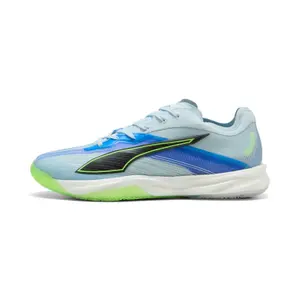
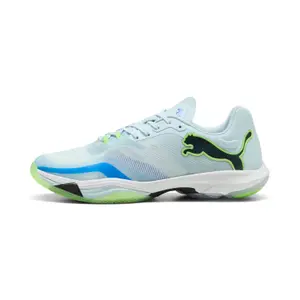
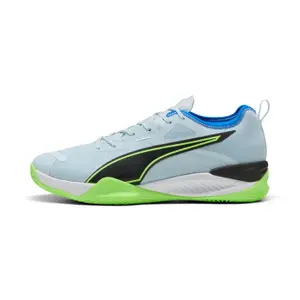

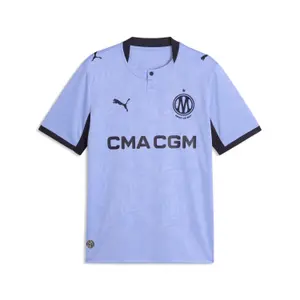
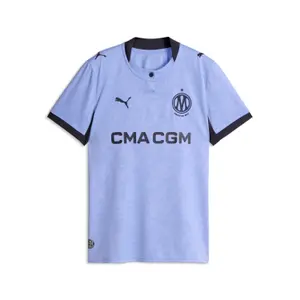
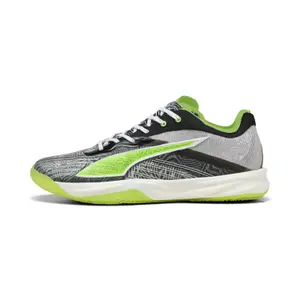
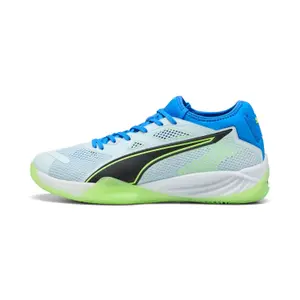


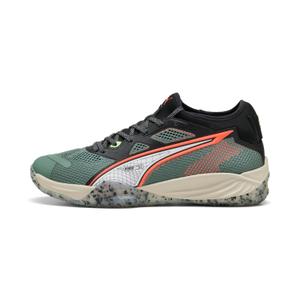


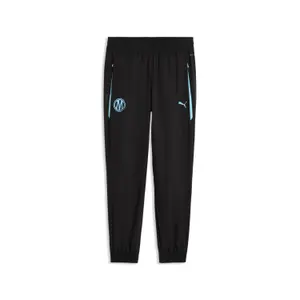
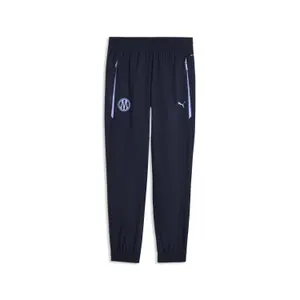
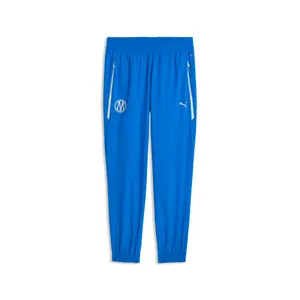


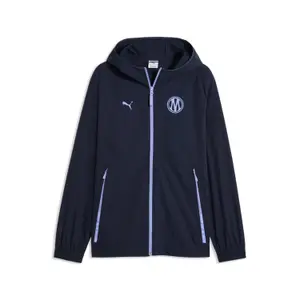
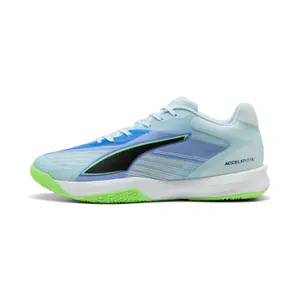
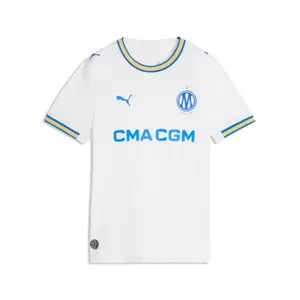


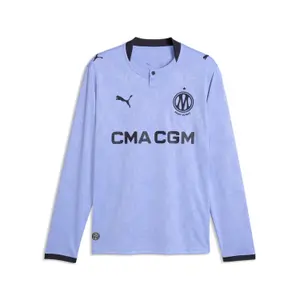

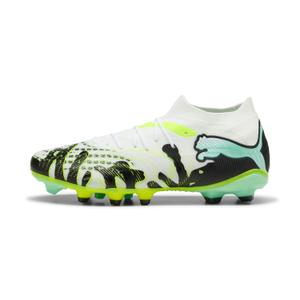
The Puma clearance offers the end-of-line products from the brand with the cat logo: football boots Future, Ultra and King, running shoes, sneakers like the Suede or Speedcat, and sports clothing. Models from previous collections or older colourways, which maintain the technologies and cuts of the German brand.
A previous generation or an older colourway, for a softer price.
Puma, the big cat from Herzogenaurach
Puma was founded in 1948 in Herzogenaurach, Bavaria, by Rudolf Dassler, after he split from his brother Adolf, who established adidas in the same town. The brand outfitted Pelé, who wore the Puma King during the 1970 World Cup, and later Usain Bolt during his world records in 2009 in Berlin. The Formstrip, the side stripe that starts at the heel and widens towards the forefoot, has been a signature of its shoes since the late 1950s, alongside the leaping cat.
Football, running, sneakers: the highlights of Puma
In football, the Future focuses on an adaptable upper that hugs the foot, the Ultra on lightweight design for speed players, and the King on soft leather and ball feel. In running, shoes from the Nitro range use nitrogen-infused foam, which is lighter and more dynamic. For sneakers, the Suede, which appeared in the late 1960s, was embraced by hip-hop dancers, and the Speedcat, launched in 1999 for Formula 1 drivers, retains the thin sole of a racing shoe.
How to choose a Puma shoe in clearance
For a football shoe, the sole is first chosen based on the playing surface: FG/AG for natural grass and synthetic, TT for hard surfaces and stabilized pitches. An earlier generation keeps the essentials of the current model's technology. For retro sneakers like the Speedcat or the Suede, with a slim fit, measuring your foot in centimetres avoids unpleasant surprises, and those with wide feet often need to go up half a size.
The sizes in clearance are often incomplete and won’t be restocked: if you spot a size, order it without delay.
Other brands on clearance
The clearance stock from other manufacturers, Nike, adidas, Asics, adidas Originals, Hummel, Peak Mountain, are gathered on the brands page of the clearance sale.
Puma clothing: shirts, shorts, and jackets
The clothing Puma in clearance follows the same logic as the shoes: a discontinued colour, but unchanged material and fit. Training shirts and shorts use dryCELL fabric, which wicks away sweat, while tracksuit jackets have a tailored fit designed for warm-up. The brand also outfits clubs and teams, with past training kits later joining the clearance sales.
A technical shirt should be washed at thirty degrees, inside out, without fabric softener that clogs the fabric, to keep logos and prints intact.
Frequently Asked Questions
Why does Puma have a feline as its emblem?
The puma, a large feline from the Americas known for its grace and speed, represents the agility sought in an athlete. Its leaping design, associated with the brand’s side stripe, acts as a signature on shoes as well as clothing.
Which Puma shoe should I choose for a marathon?
For long distances, choose a shoe from the Nitro range, whose nitrogen-injected foam combines lightweight feel with cushioning. Carbon-plated versions, which are stiffer, aim for fast runners; training models, which offer more protection, are for others.
How do Puma shoes fit?
Puma shoes generally fit true to size. Football shoes and very slim retro silhouettes have a narrower fit: for wider feet, going up half a size adds more comfort.
What’s the difference between the Speedcat and the Mostro?
The Speedcat, low and slim, features a driver’s shoe design with a sole that rises at the heel. The Mostro, which emerged in the late 1990s, is distinguished by its sole covered in rubber nubs and a strap that crosses the lacing.
Is a clearance football shoe less performance-oriented?
No: an earlier generation retains the essentials of the materials and sole of the current model, and a simple colour change doesn't affect anything. Only changes in upper or studs sometimes distinguish two consecutive generations.






